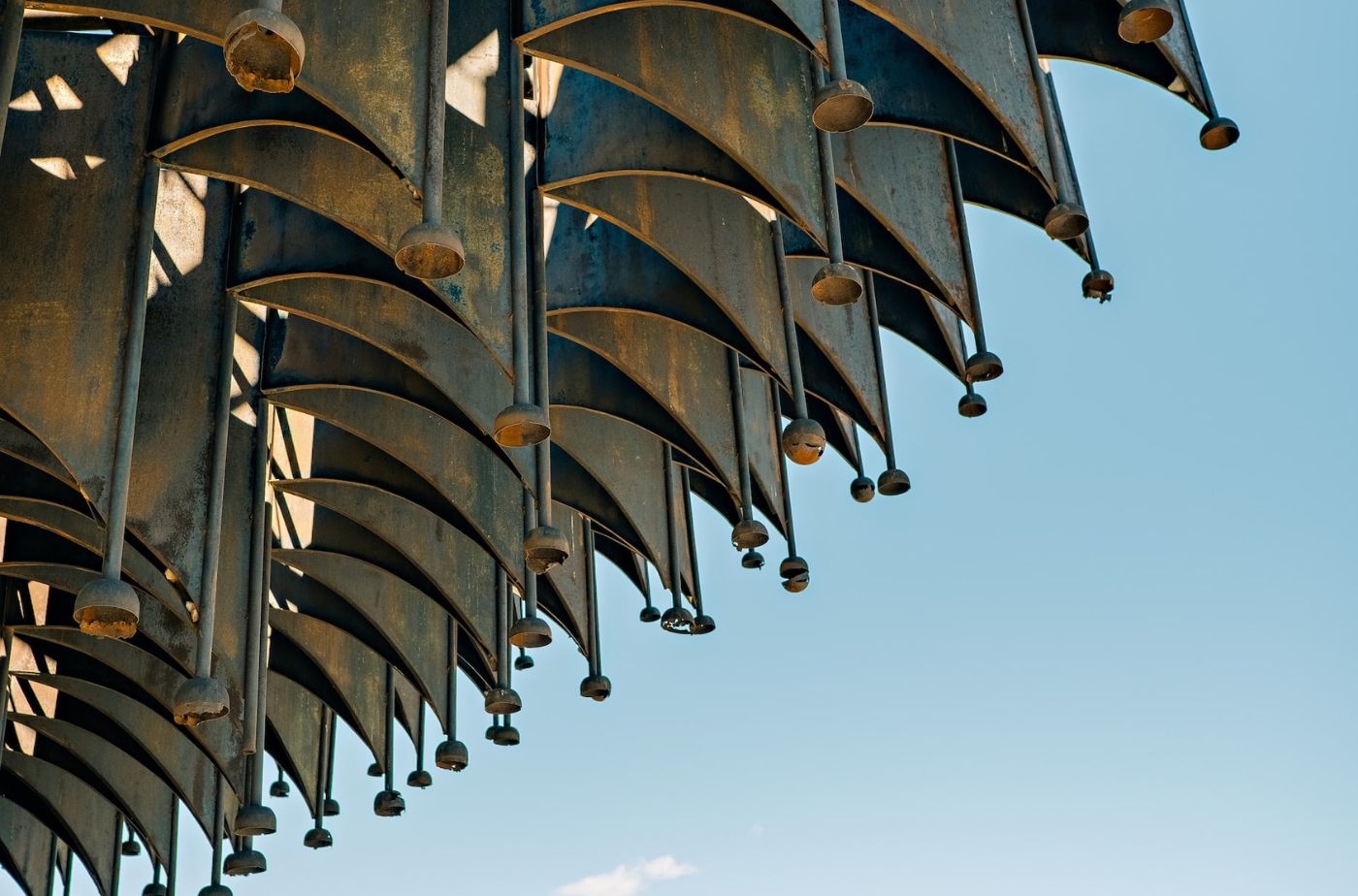

Art is the finest and most beautiful creation. It is born in the mind and then shaped by the hands of its creator. The diversity of beauty allows Gyumri to preserve and pass on moments of life through unique human talents. Thanks to the countless skills and craftsmanship of our ancestors, we continue to admire the works of artists and artisans throughout the city today.
Welcome to Gyumri the city of art and craftsmanship. Another weekend in a city that already feels like home.
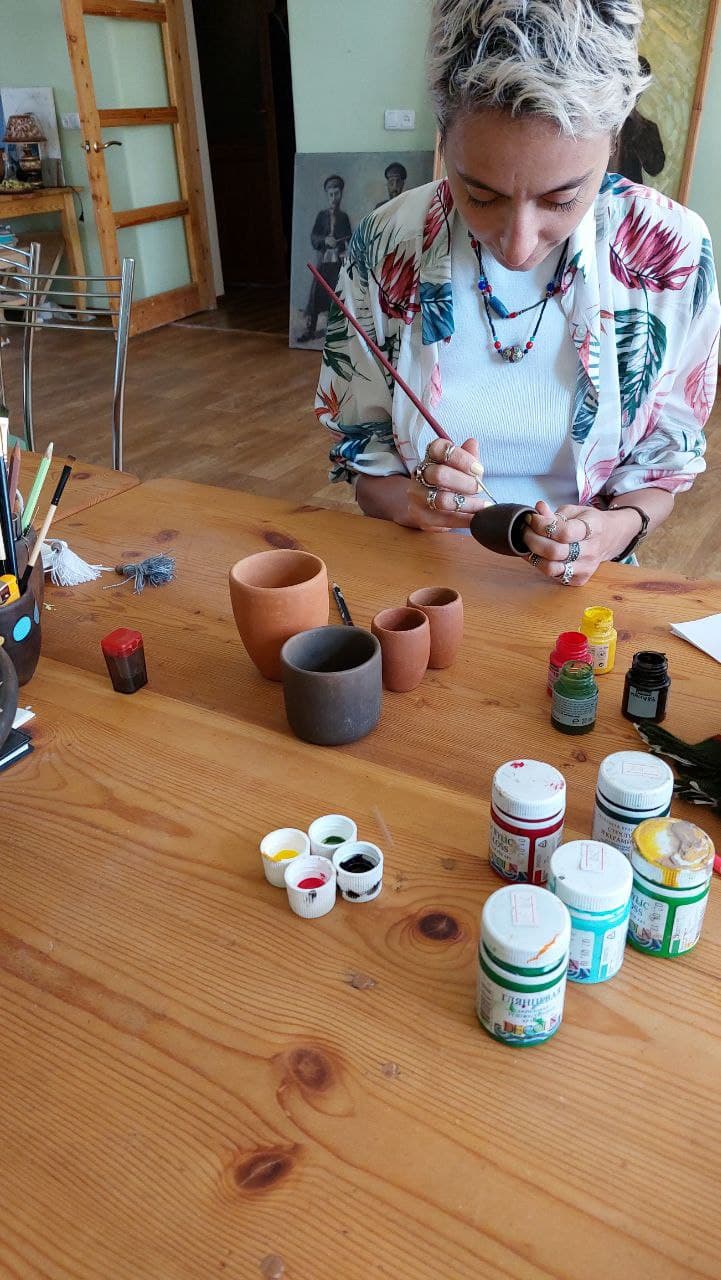
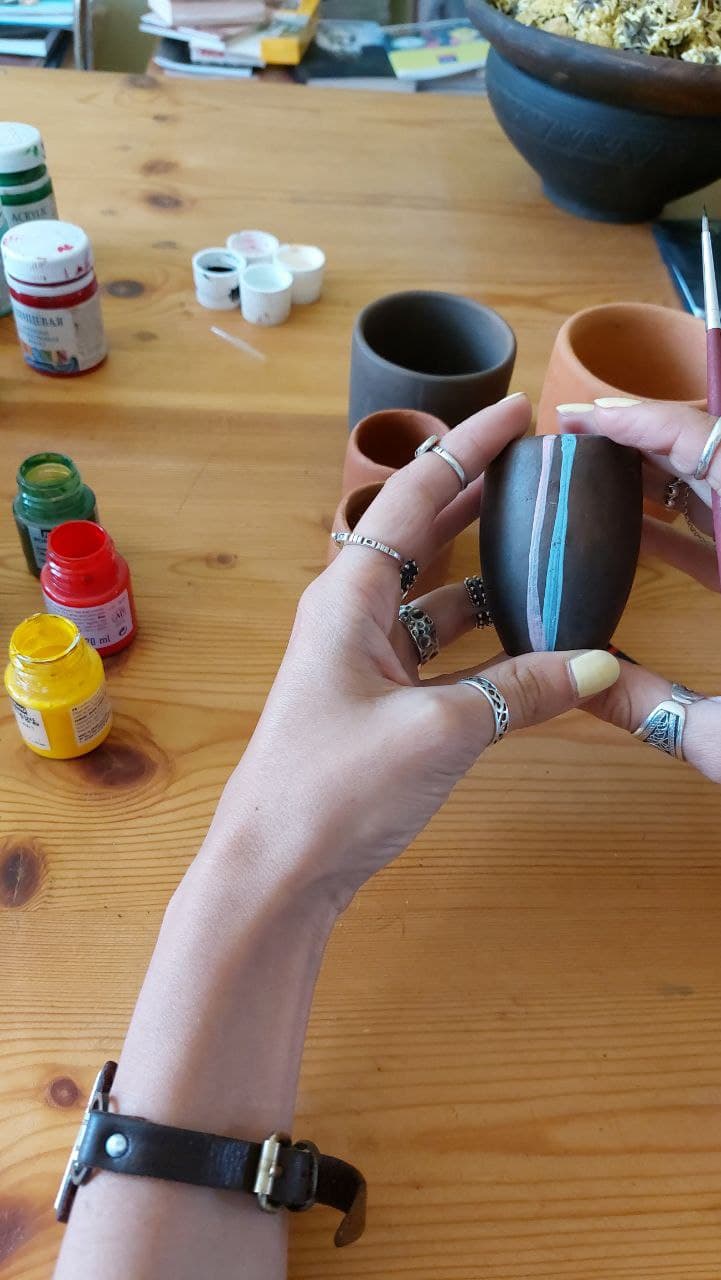
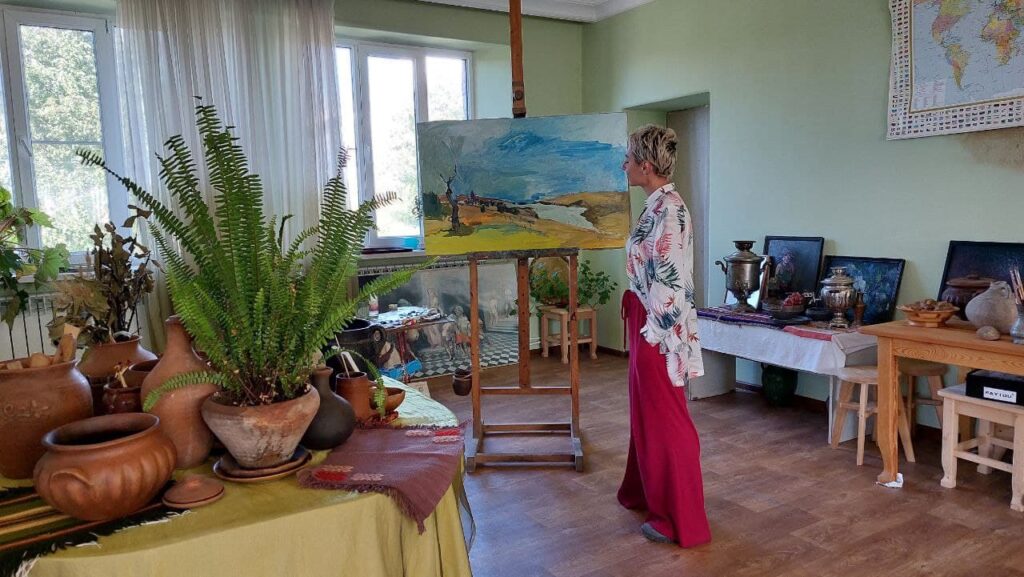
At Gevorgyan Ceramics, you can create pottery with your own hands, decorate it, and finally take it home to use in everyday life—bringing your thoughts back to Gyumri whenever you see it. It is no surprise that this craft was once so widespread; perhaps pottery was how people of the time relaxed and regained their strength.
Decorating your piece with Urartian cuneiform inscriptions will transport you thousands of years into the past, while stories about Armenian pottery traditions and techniques will make you feel like a real potter for a while.
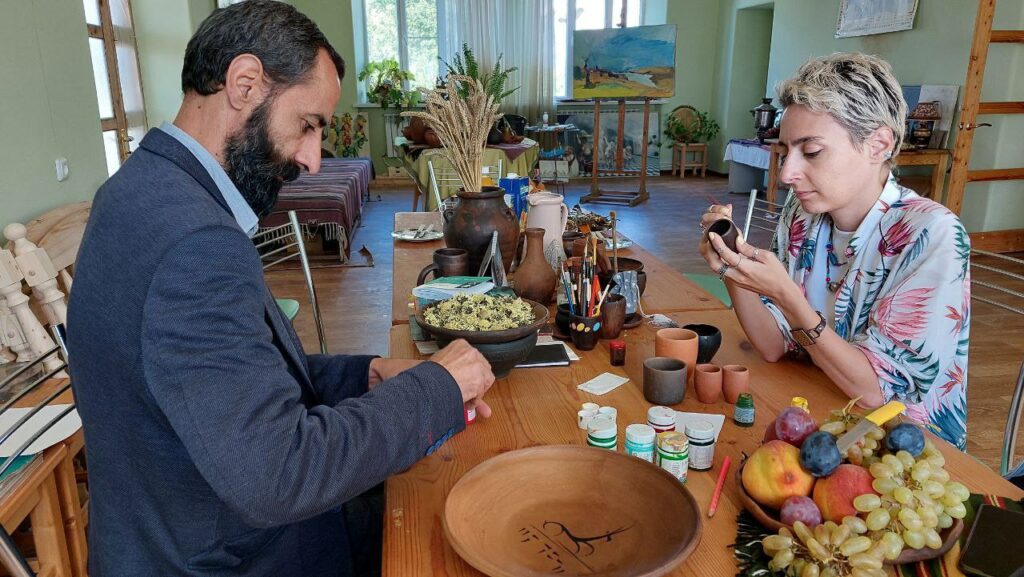
Here I learned that cuneiform inscriptions were carved not only on stones but also on clay and metal objects. However, clay inscriptions have not survived because clay deteriorates easily. The first person to provide us with information about cuneiform inscriptions was Movses Khorenatsi. He wrote about the inscriptions of the Assyrian queen Shamiram. According to him, Shamiram ordered statues to be erected throughout the Armenian Highlands with inscriptions dedicated to herself.
Tel։ +374 93 67 39 16, Vazgen Gevorgyan
Facebook: @GevorgyanCeramics

The mural portrait of a young girl in Hatsik village hints that only a short distance remains before reaching the studio of the curly-haired, petite, bright, and talented artist Gohar Petrosyan. While in the previous article we explored Gyumri’s crafts, this journey is dedicated to its arts. We leave Gyumri behind and travel approximately 8 km.
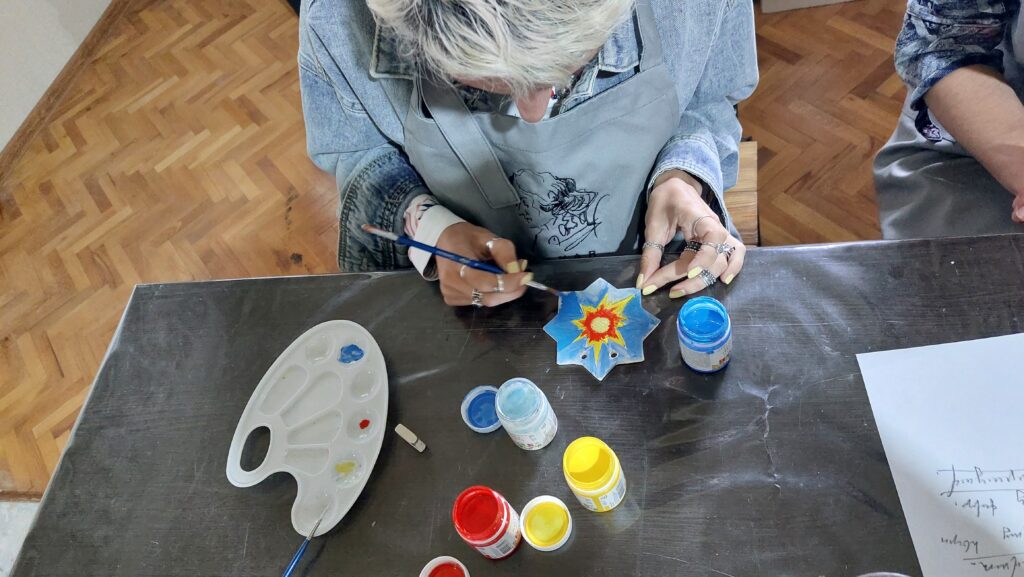
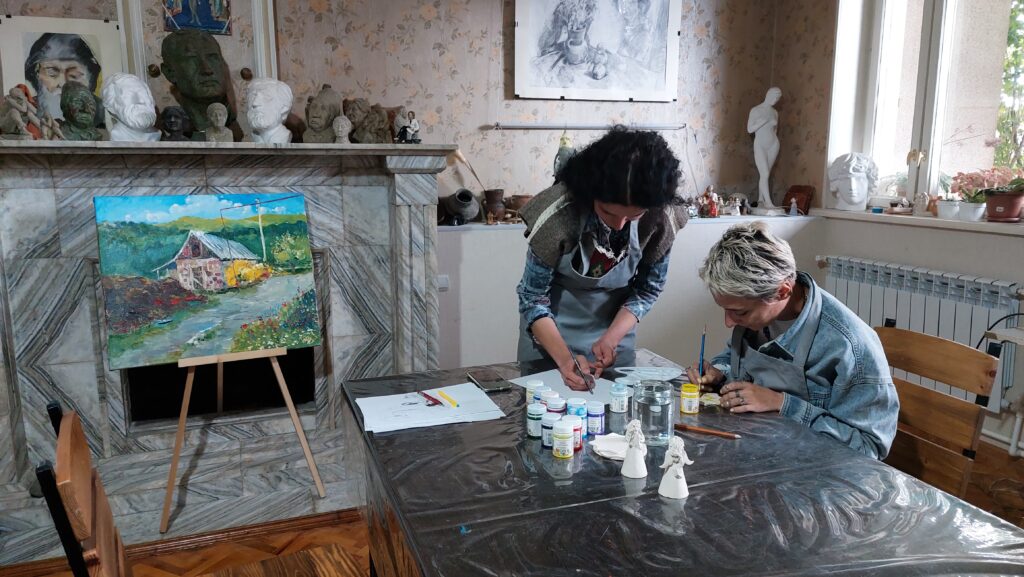
Inside the spacious studio, you will become acquainted with Gohar’s paintings and clay sculptures. What immediately caught my attention were the ornaments decorating the clay figurines, each dressed in different traditional Armenian costumes. Through them, Gohar introduces visitors to the geography, history, daily life, and traditions of different regions. She also prepares unfinished clay pieces for her guests, allowing you to decorate them with your own imagination and take them home as a unique souvenir.
Tel։ +374 94 571 904, Gohar Petrosyan
Facebook: @PGog5
We return to Gyumri’s central square. The building housing the Aslamazyan Sisters Gallery was constructed in 1880 by the wealthy merchant family of the Keshishovs as their residence. It is an outstanding example of 19th-century Alexandrapol architecture, combining elements of European and traditional Armenian design. The Mariam and Yeranuhi Aslamazyan Sisters Gallery is considered the only gallery in the Republic of Armenia where all exhibited and preserved works belong to artists who transformed attitudes toward gender equality during their time.
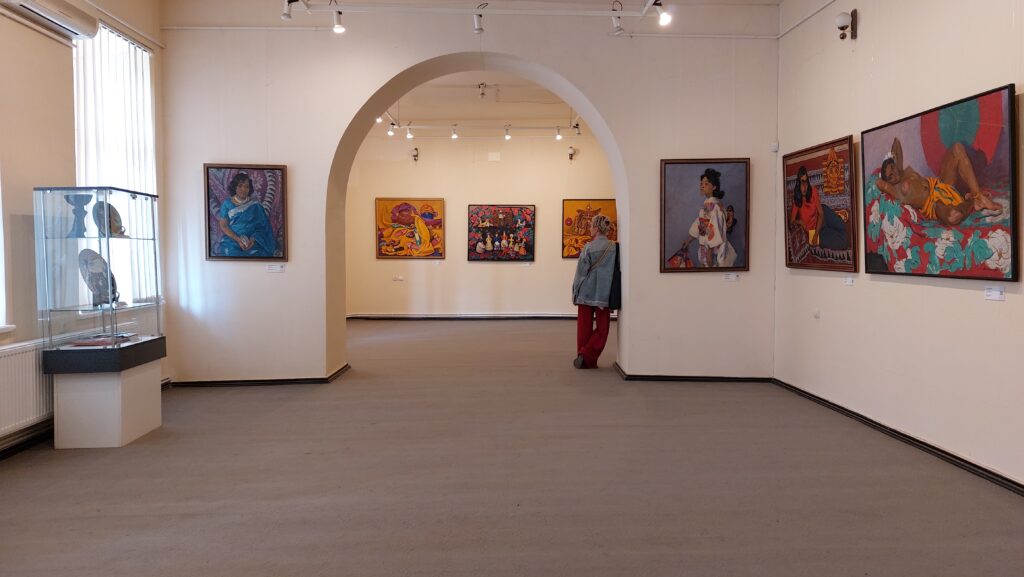
During the museum tour, I learned that Mariam and Yeranuhi Aslamazyan had six more sisters and one brother. Mariam recalled:
“Every Armenian patriarchal family eagerly awaited the birth of a son. In our family only daughters were born, and finally, after the sixth daughter, a boy was born Simon Arshak Aslamazyan. My God, it is difficult to describe the joy that filled both the house and the mills. The doors of the house were open to guests, the tables were set, and the celebration lasted for almost a month.”
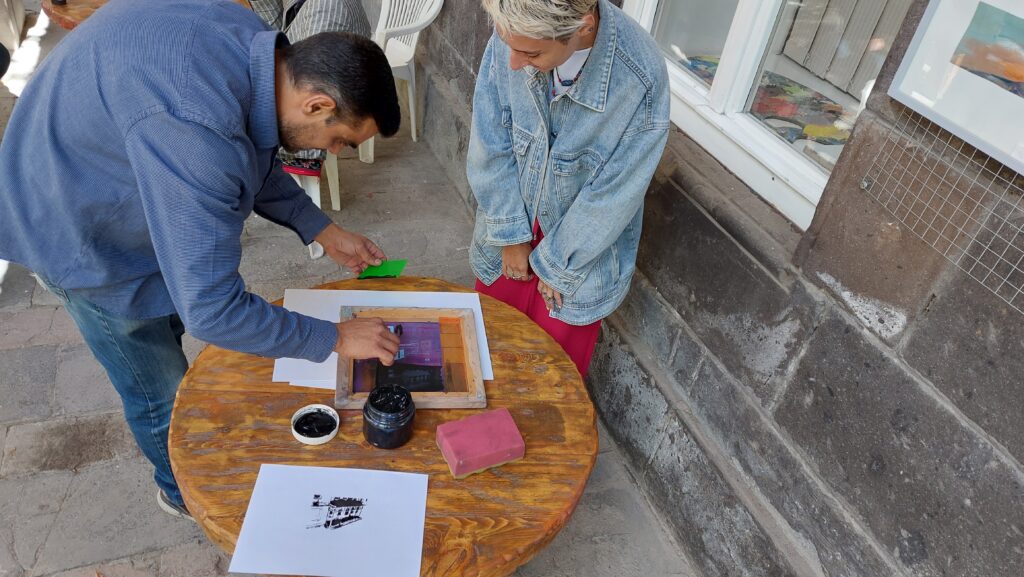
Through the museum’s workshop, I became familiar with the artistic styles and techniques used by the Aslamazyan sisters and created my own souvenir magnet. This technique can be applied to a wide variety of materials, including wood, metal, clay, glass, fabric, and leather. It allows even the dullest surface to become attractive and beautiful. Everything was surprisingly simple. The museum provided several printed reproductions of artworks, diluted glue, acrylic varnish, scissors, a brush, and a small clay plate, which became one of the most beautiful souvenirs in our home.
Tel։ +374 31 24 82 05, Karen
@aslamazyanmuseum
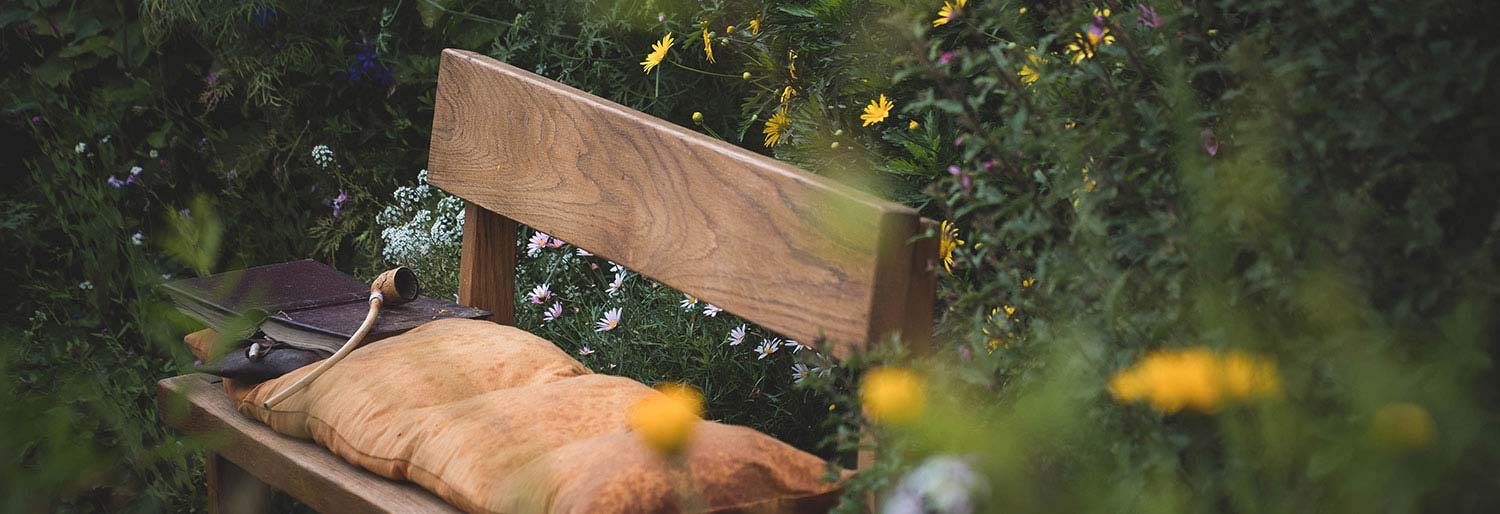
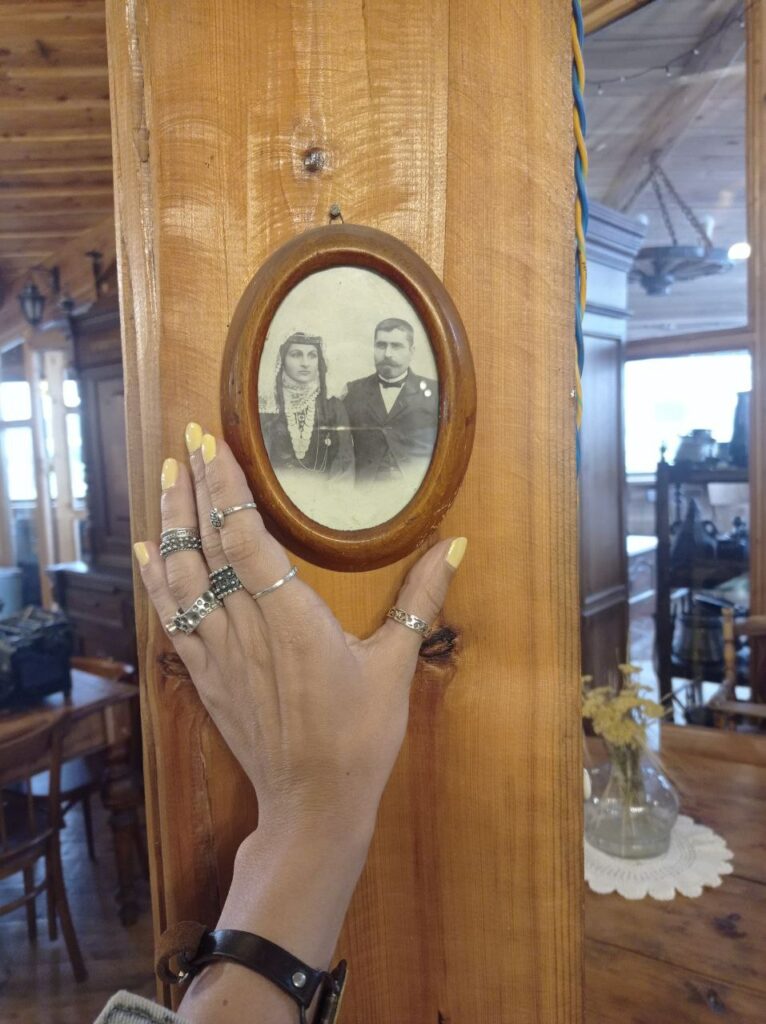
I have told you about Chalet Gyumri many times before. Its remarkable photographs, books, and household objects tell nothing but the story of the city’s past. As the founder of Chalet likes to say, “The whole of Alexandrapol in one suitcase.”
While exploring the walls, do not be surprised if you come across the first female astronaut, Valentina Tereshkova yes, she once worked in Gyumri. Another wall is dedicated to the “New Armenia,” but of 1928. The opportunity to discover traditional Armenian daily life through photographs and household items is only part of the experience. Not far from Chalet, you can also see Van cats and Armenian Gampr dogs.
Հեռ։ +374 55 45 13 37, Karine and Ani Tumasyan
FB: @ChaletGyumri
We return to Chalet, where together with Karine we prepare Gyumri’s traditional chanakh in a clay pot using green peas, tomatoes, beef, onions, and fresh herbs before placing everything into the oven.
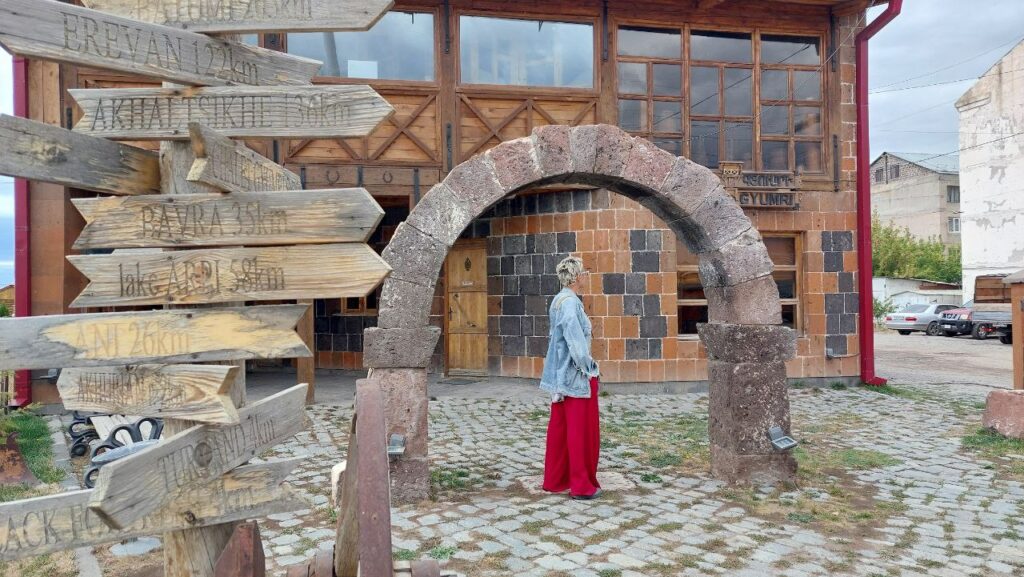
Not hungry, but have a sweet tooth? Then you can also prepare pokhindz with Karine. In the old days, this dessert was traditionally made during winter holidays, especially for the Feast of Saint Sarkis. The eldest woman of the household prepared the sweet, while the youngest family member placed a piece of it on the rooftop. If a bird had pecked at it by morning, it was believed that good fortune would soon arrive.
There is so much more that could be said about Chalet Gyumri everything here is truly unique.
Tel։ +374 96 11 21 49 Karen Hakobyan
FB:TatoentsQotuk
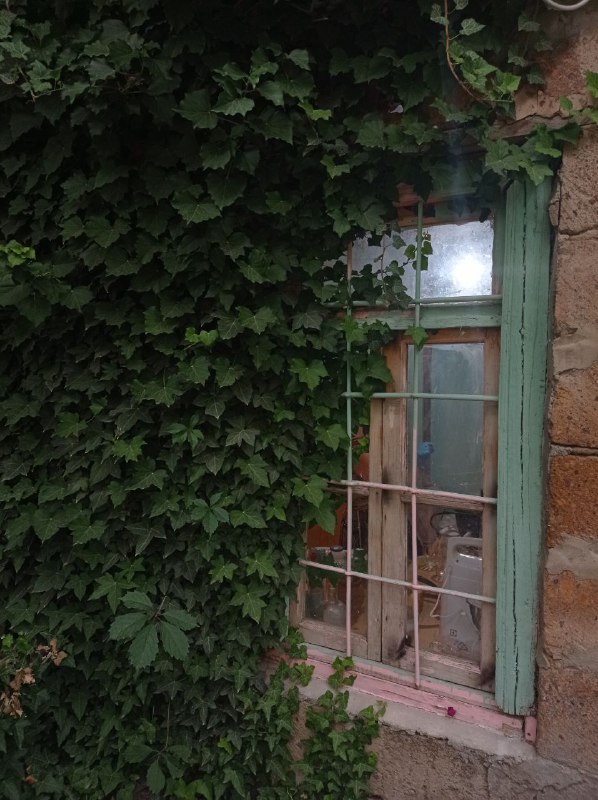
We leave Gyumri early. Our journey through Shirak Province comes to a temporary end as we head to the town of Ashtarak in Aragatsotn Province. Here, Mrs. Hripsime introduces visitors to the 200-year history of her family home. The cellar that forms the foundation of the Tatoents House was built in 1837, and today it offers delicious traditional dishes accompanied by local wine.
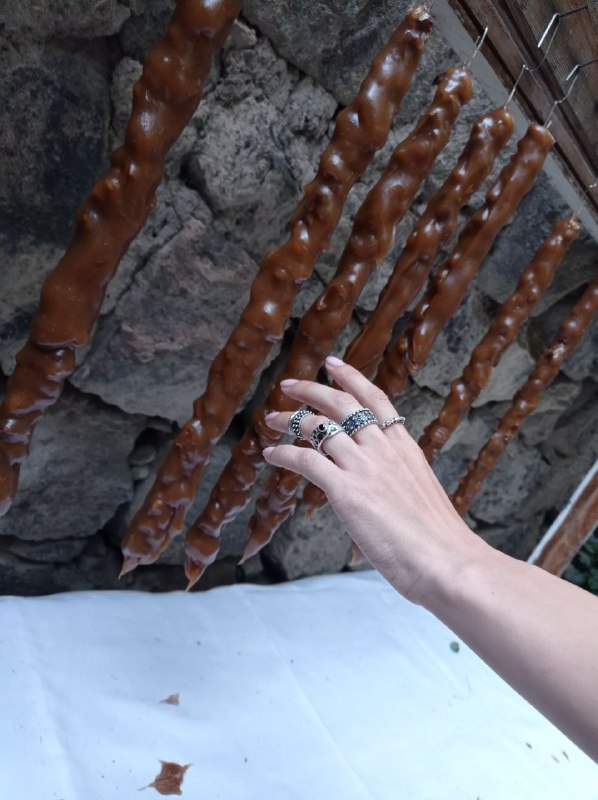
Mrs. Hripsime demonstrated the traditional preparation of sweet Armenian sujukh. I learned that sweet sujukh is an ancient Armenian confection, usually prepared in autumn when walnuts and fruits are harvested. As for Ashtarak’s walnuts, there is hardly anything left to say—they are so famous that they are mentioned in Armenian folk songs, and walnut trees can be found in almost every yard.
The walnuts are split in half, the needle is threaded with doubled thread and tied with a knot, and each walnut is carefully strung onto the thread. The walnut strings are dipped into the grape syrup, while additional syrup is poured over them with a spoon. If you want a thicker coating, simply repeat the dipping process several times. Sujukh takes 10–15 days to dry, making it an excellent excuse to return to Ashtarak once again.
This article was created within the framework of the My Armenia Program, funded by the United States Agency for International Development (USAID) and implemented by the Smithsonian Institution. The contents of this article are the sole responsibility of the authors and do not necessarily reflect the views of USAID, the Smithsonian Institution, or the United States Government.

Դուրս եկանք գետ։ Թիավարում ենք առաջ, տեղ-տեղ ալիքներն ա
Դուք պետք է կյաքնում ճանապարհային քարտեզ ունենաք, արշա

Ձմեռային արշավները հիանալի միջոց են վայելելու լեռների

Յուրաքանչյուր ոք ինչ-որ բանից վախենում է։ Շատերը շների