Հայաստանը աշխարհի առաջին երկիրն է, որը 301 թվականին քրիստոնեությունն ընդունեց որպես պետական կրոն։ Հենց այդ պատճառով վանքերն ու եկեղեցիները դարձել են երկրի պատմության, մշակույթի և ազգային ինքնության անբաժանելի մասը։ Շատ ճանապարհորդների համար Հայաստանի բացահայտումը սկսվում է հենց հնագույն վանական համալիրներից, որոնք տեղակայված են լեռների, կիրճերի, անտառների և գեղատեսիլ հովիտների մեջ։
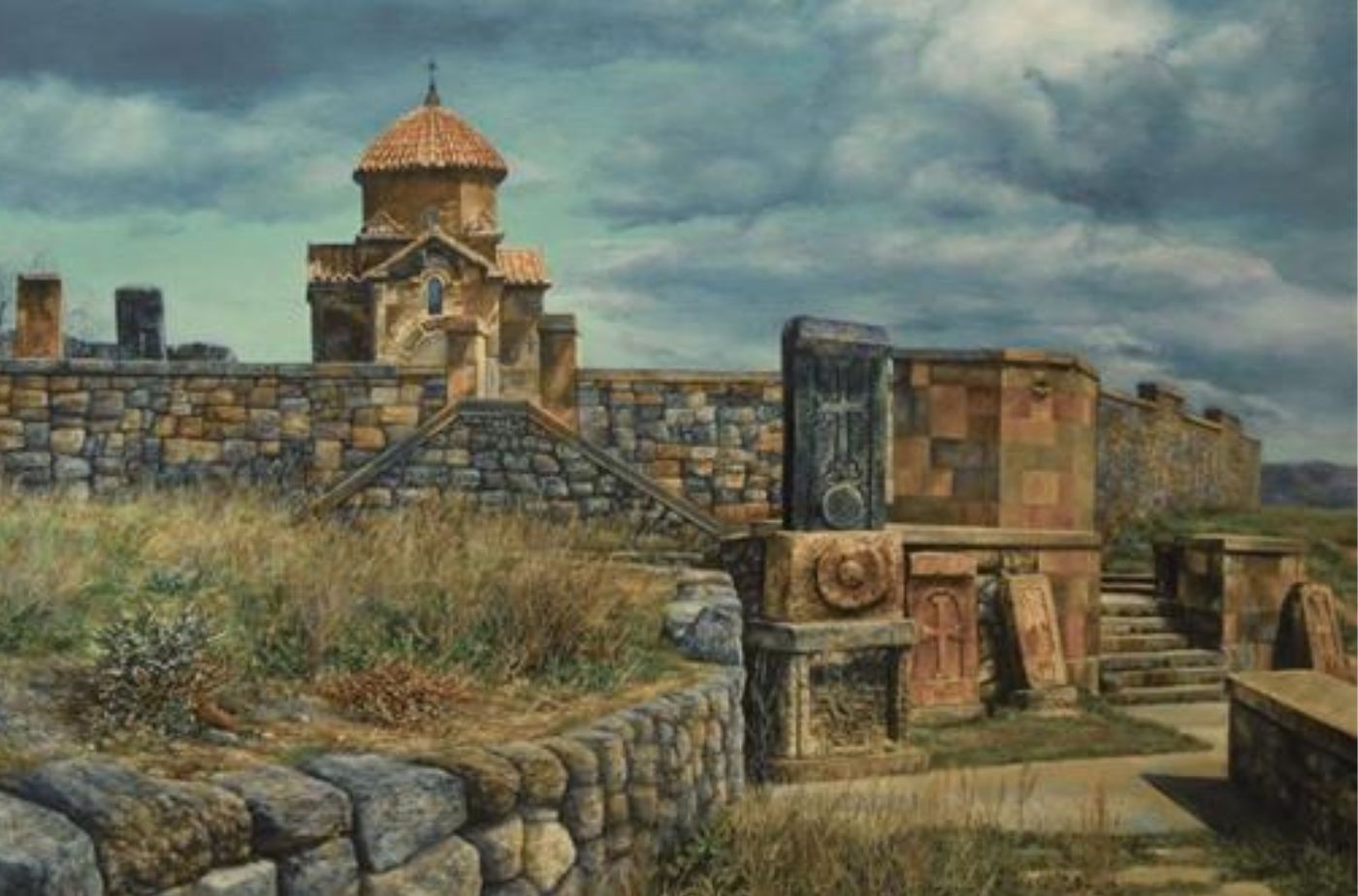
Այսօր Հայաստանի տարածքում պահպանվել են հարյուրավոր վանքեր և եկեղեցիներ, որոնցից շատերը կառուցվել են ավելի քան հազար տարի առաջ և շարունակում են գործել մինչ օրս։
Հայաստանում պահպանվել են տարբեր ժամանակաշրջանների վանական համալիրներ՝ վաղ միջնադարից մինչև ուշ միջնադար։
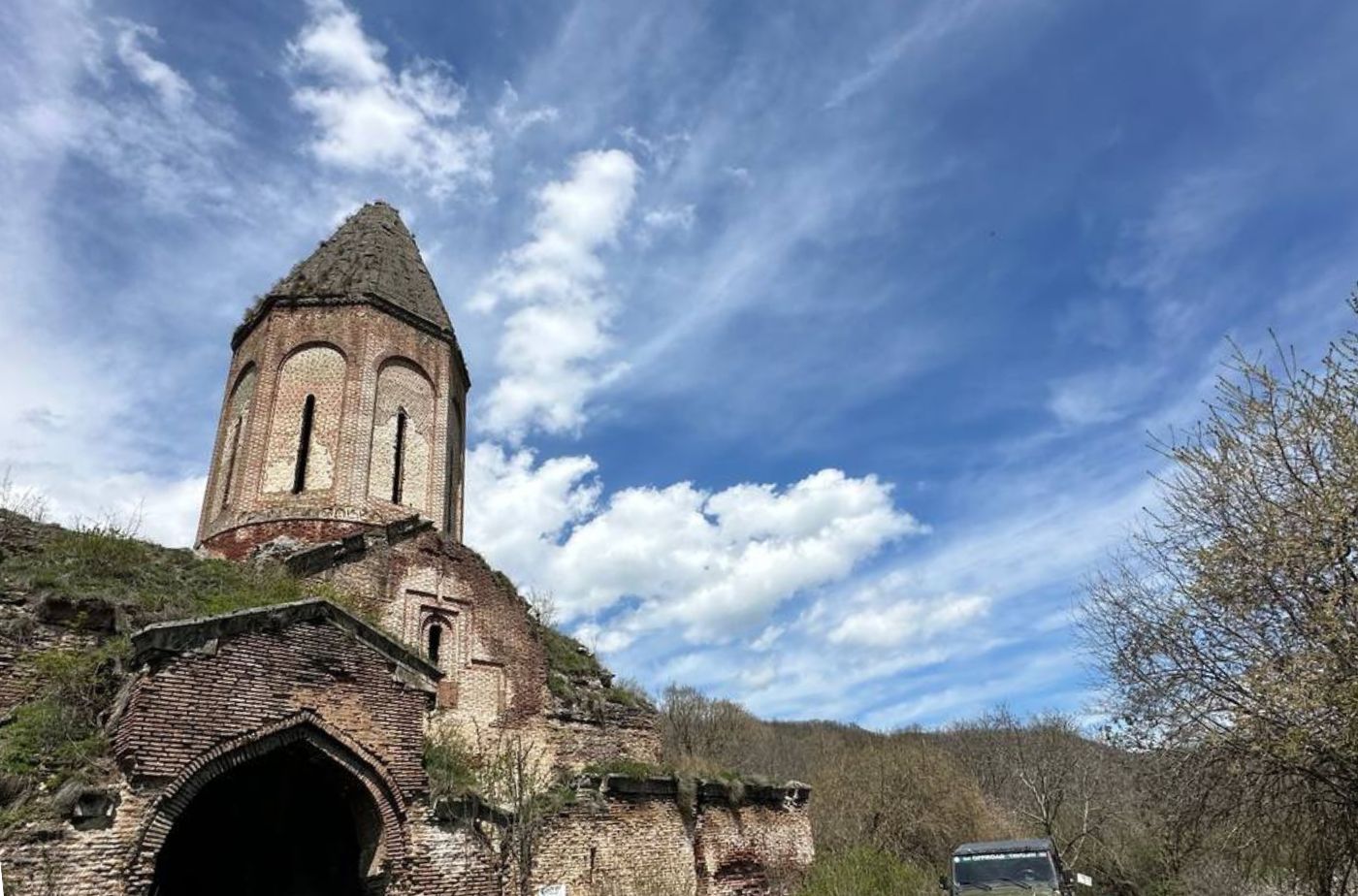
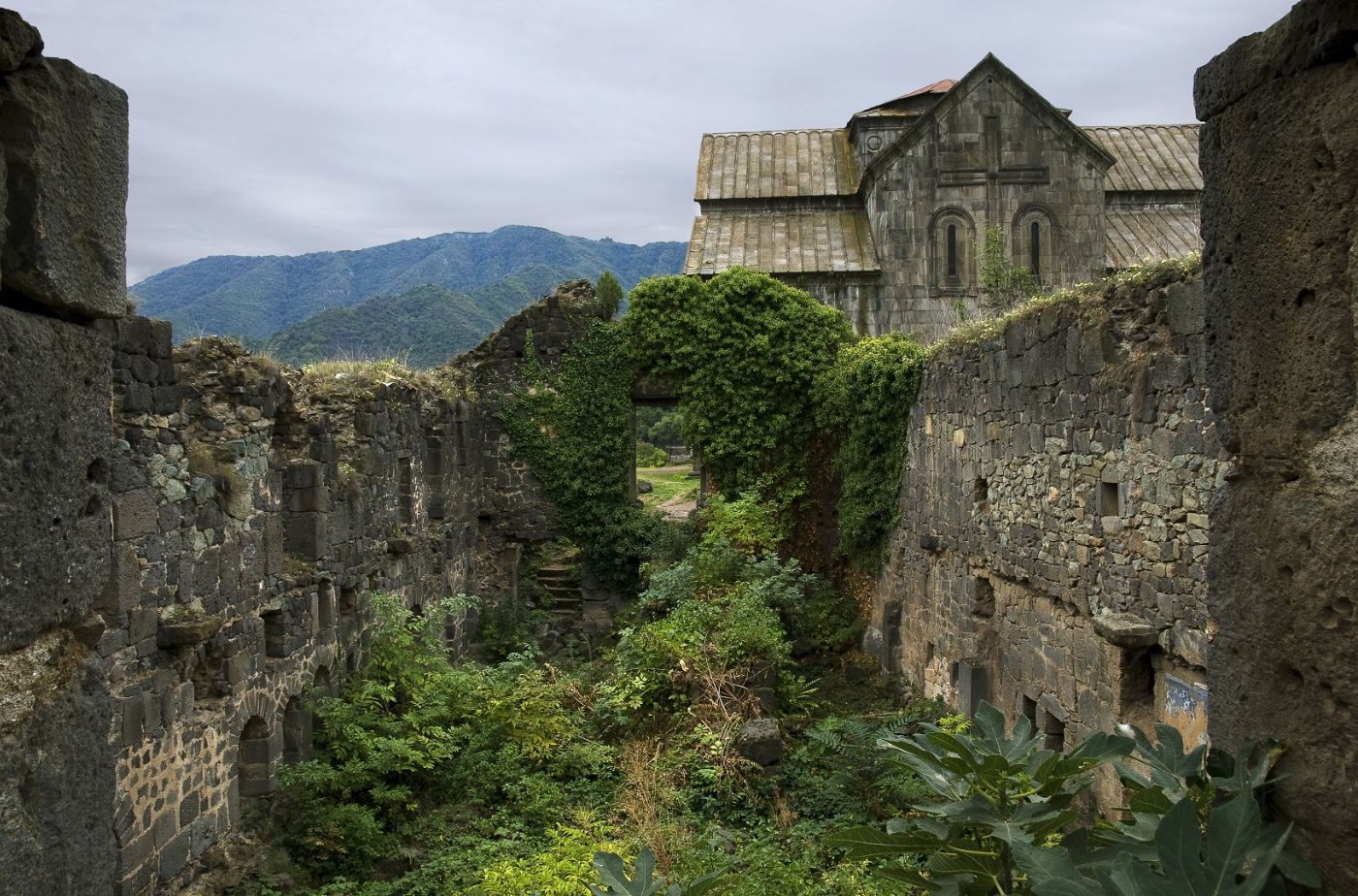
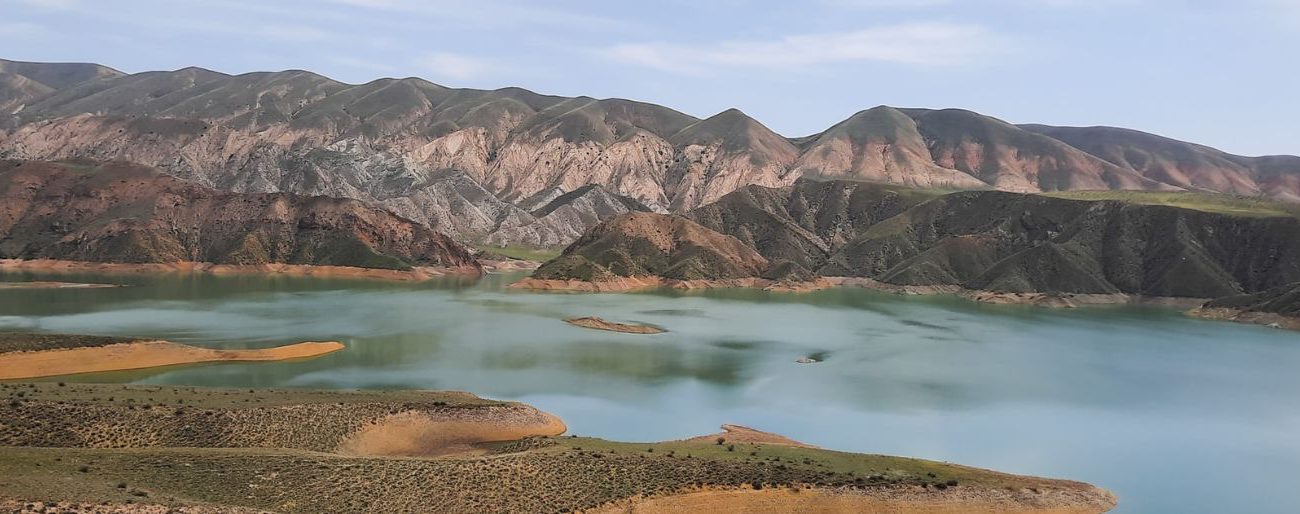
Որոշ վանքեր թաքնված են անտառների խորքերում, մյուսները բարձրանում են կիրճերի եզրին, երրորդները տեղակայված են լեռնալանջերին կամ լճերի ափերին։ Յուրաքանչյուրն ունի իր պատմությունը, ճարտարապետական առանձնահատկությունները և լեգենդները։
Առանձնահատուկ ուշադրության են արժանի այն վանական համալիրները, որոնք ընդգրկված են ՅՈՒՆԵՍԿՕ-ի Համաշխարհային ժառանգության ցանկում կամ կարևոր դեր են ունեցել հայկական գրավոր մշակույթի և հոգևոր կյանքի զարգացման գործում։
Վանք այցելելը շատ ավելին է, քան պարզապես եկեղեցի տեսնելը։
Այստեղ կարելի է հանդիպել՝
Շատ վանքերում պահպանվել են հարյուրավոր տարիների պատմություն ունեցող հայերեն արձանագրություններ, որոնք արժեքավոր տեղեկություններ են փոխանցում անցյալի մասին։
Քանի որ վանքերի մեծ մասը շարունակում է գործել որպես կրոնական կենտրոն, այցելուներին խորհուրդ է տրվում պահպանել հարգալից վարքագիծ։
Ցանկալի է՝
Հայկական վանքեր այցելելու համար սովորաբար հատուկ հագուստ չի պահանջվում, սակայն նախընտրելի է համեստ և հարմարավետ տեսքը, հատկապես եկեղեցական տոների կամ պատարագների օրերին։
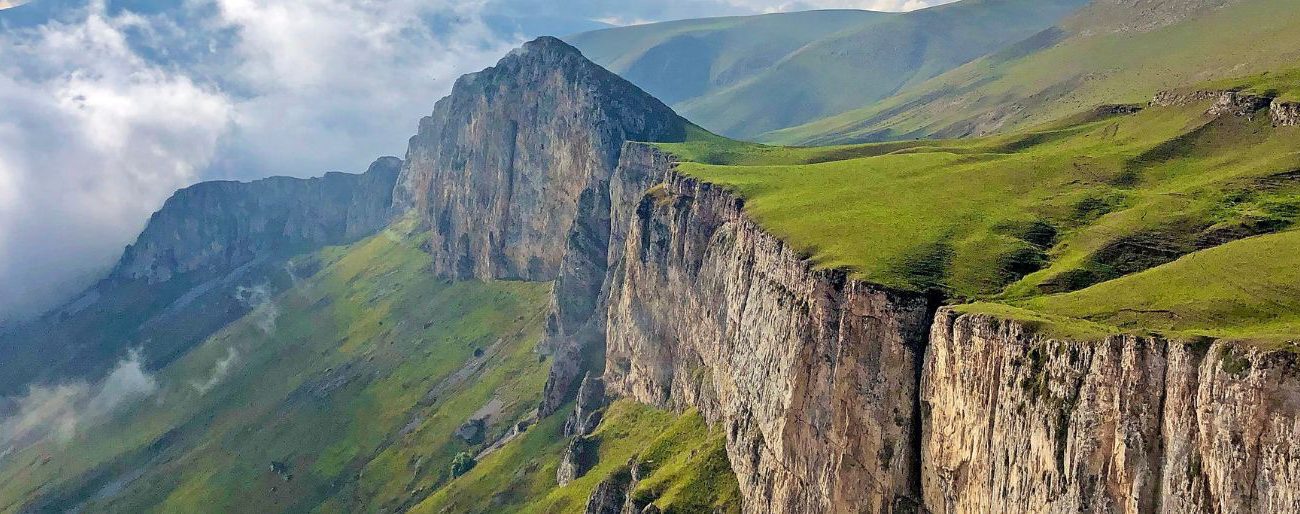
Շատ ճանապարհորդներ նշում են, որ հայկական վանքերի գլխավոր առանձնահատկությունը դրանց տեղադրությունն է։ Թվում է, թե միջնադարյան ճարտարապետներն ընտրել են ամենաանհավանական վայրերը՝ ժայռերի գագաթներ, կիրճերի եզրեր, անտառային բացատներ և լեռնային սարահարթեր։
Ոչ պակաս տպավորիչ է նաև մթնոլորտը։ Անգամ հարյուրավոր տարիներ անց բազմաթիվ վանքեր շարունակում են պահպանել այն խաղաղությունն ու լռությունը, որը դժվար է գտնել ժամանակակից քաղաքներում։