Humans and nature have one thing in common: they are interconnected. Just as people depend on nature, nature also depends on people. Achieving harmony in this relationship is essential.
For the upcoming weekend, I suggest spending your time in Tavush Region, where I realized that our lives are inseparably connected with the nature of our homeland. Very often, everyday worries make us want to replace our routine with experiences that are completely different from our usual daily lives.
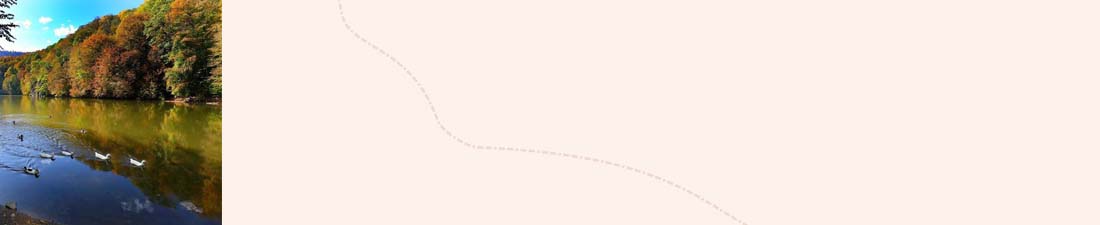
I am in Dilijan, surrounded by lush forests and decorated with nature’s own palette of colors. I am sure you already know better than me what to do in Dilijan, but this time I will try to enrich your journey with diverse experiences, each very different from the other.
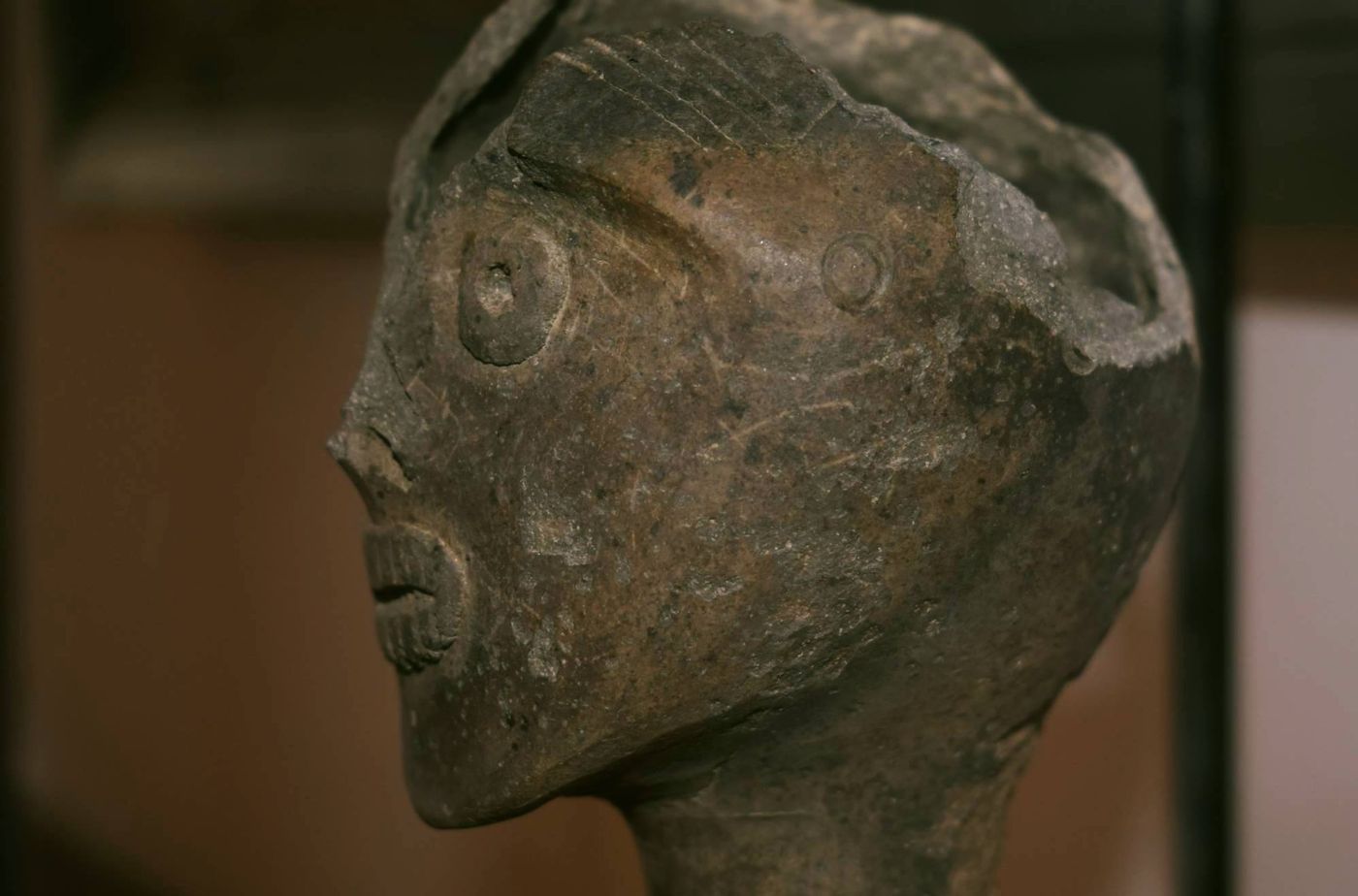
The first archaeological excavations in Armenia began in the 1850s at a place called Redkin-Lager. The site was named after the road construction engineer Redkin, who had established his camp 6 km north of Dilijan, on the right bank of the Aghstev River. A road was planned between Armenia and Georgia, and it was discovered by chance that the route would pass through an ancient burial ground. As a result, the tombs were opened and the first archaeological excavations began.
The entire collection was excavated from the surrounding areas of Dilijan. The artifacts date back to the 3rd–1st millennia BC, covering the period of transition from the Late Chalcolithic to the Early Iron Age.
The museum is also especially significant for its rare collection of paintings. Original works by Hovhannes Aivazovsky, Gevorg Bashinjaghyan, Vardges Surenyants, Panos Terlemezyan, and Edgar Shahin are preserved here. The museum also houses several works by Dutch, Italian, and French artists from the 16th–18th centuries.
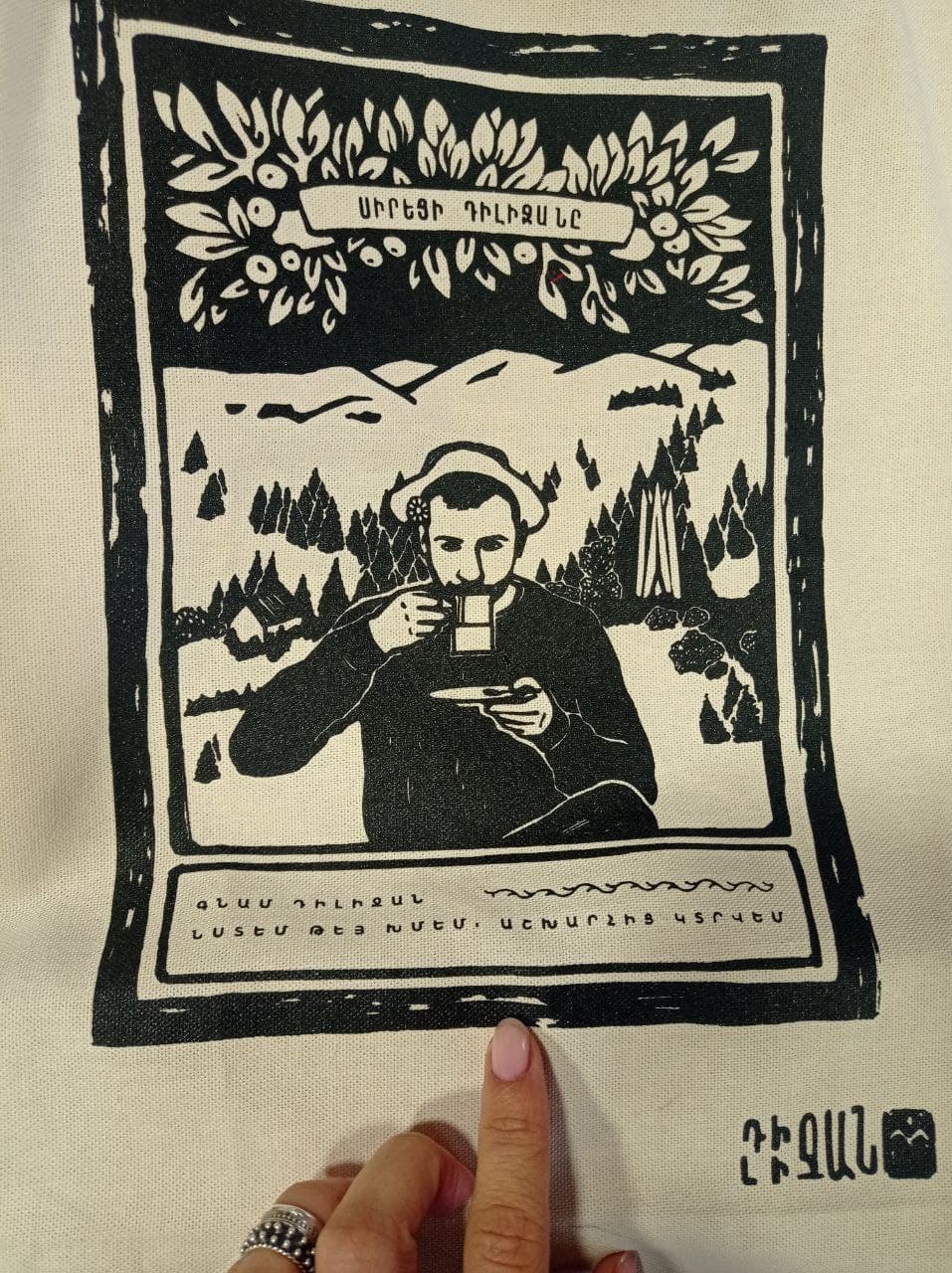
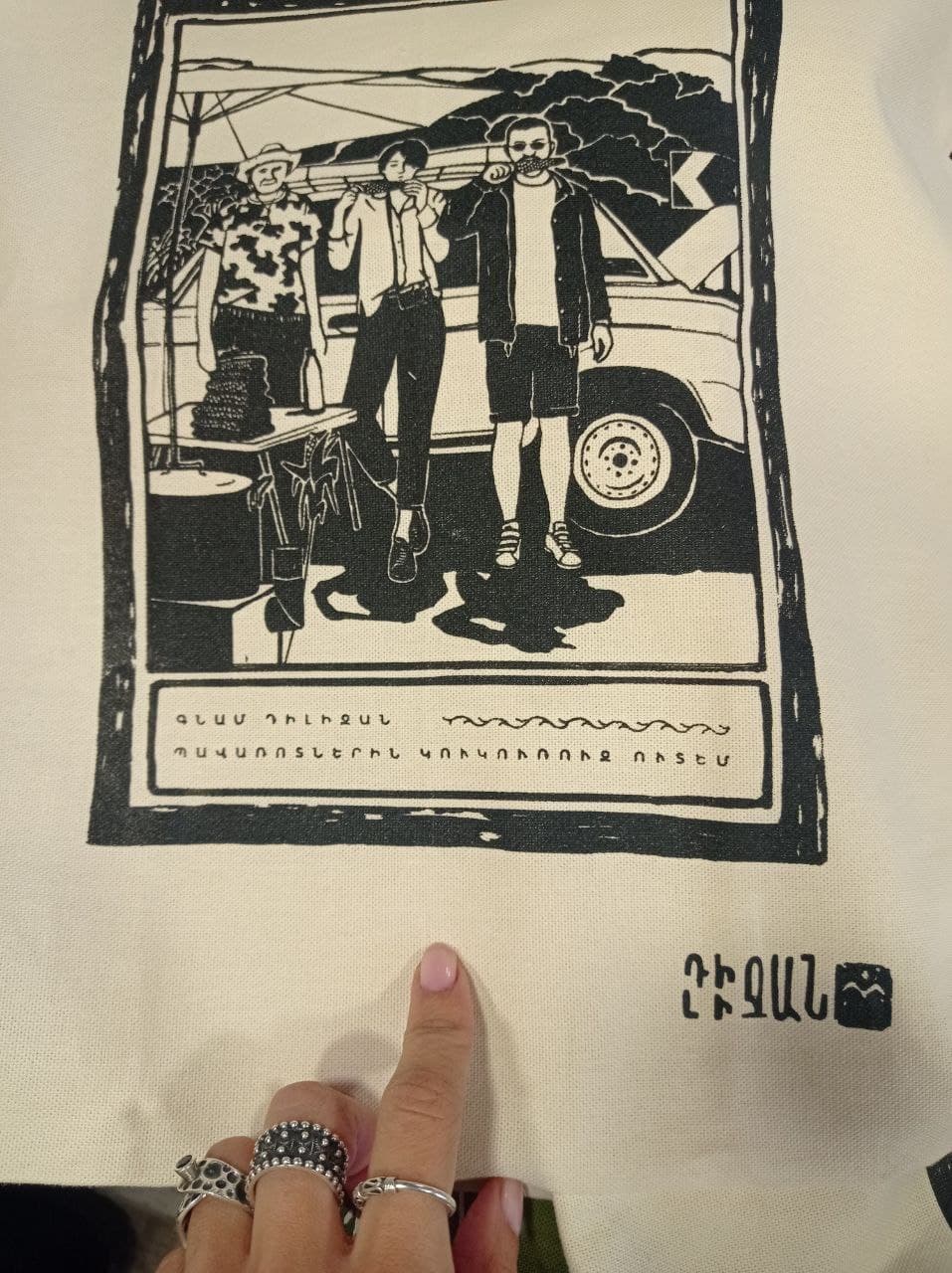
After the tour, a printmaking masterclass was waiting for me. It was an exciting experience — it was my first time trying linocut printing. Each of the five selected designs is symbolically connected to the history of the city: lace, cinematographers, composers, the curves of Dilijan, wild herbs…
At the end, the artwork will be given to you as a gift.
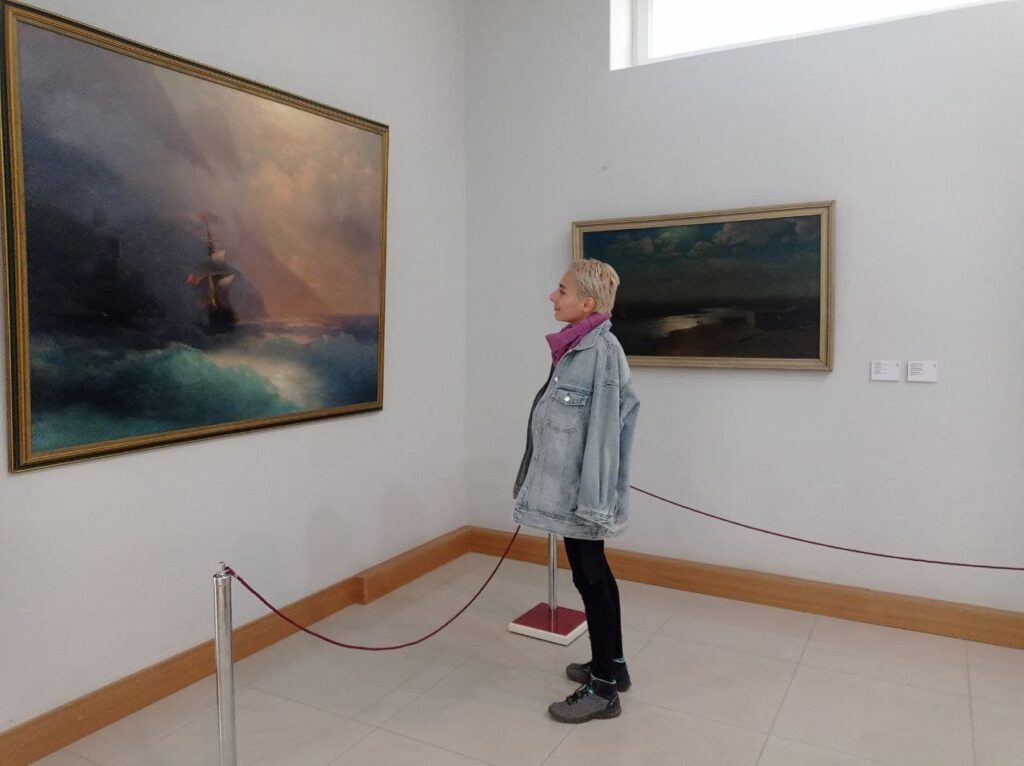
Dilijan Local Lore museum and art gallery
+374 268 244 51 (Arman Badeyan)
FB: @dilijanmuseum

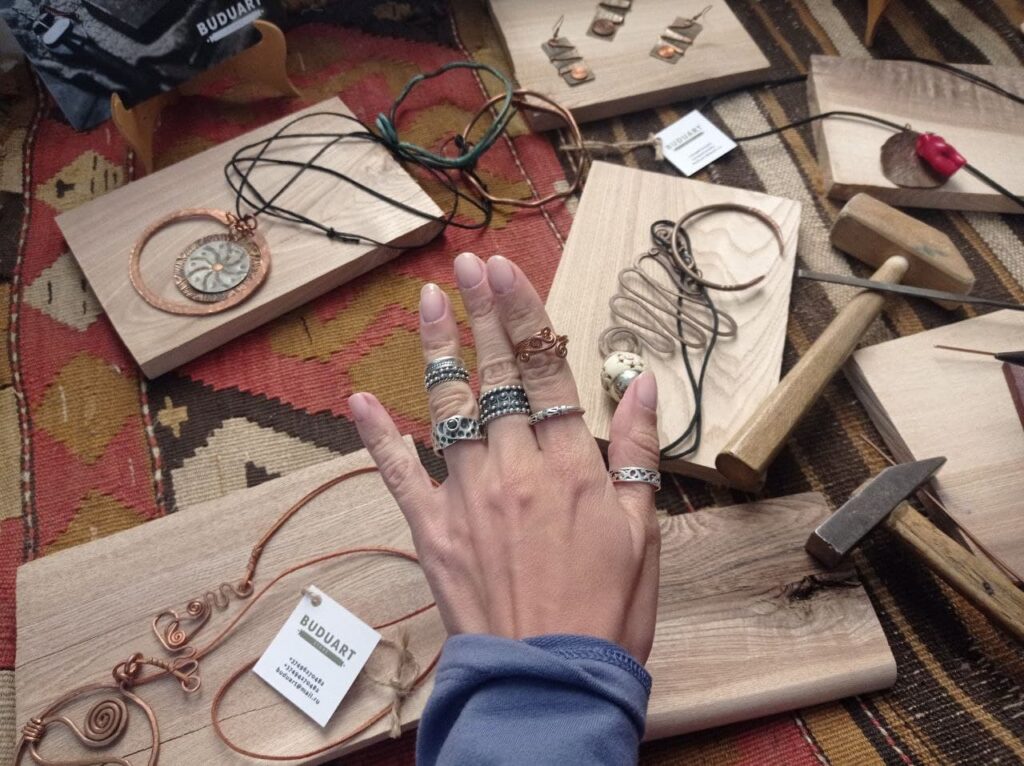
Not far from the museum, on the ground floor of a nearby building, Buduart Art Studio opens its doors to visitors. Inspired by museum ornaments, you can create your own copper jewelry. If you prefer working with a brush, painting and batik workshops are also available.
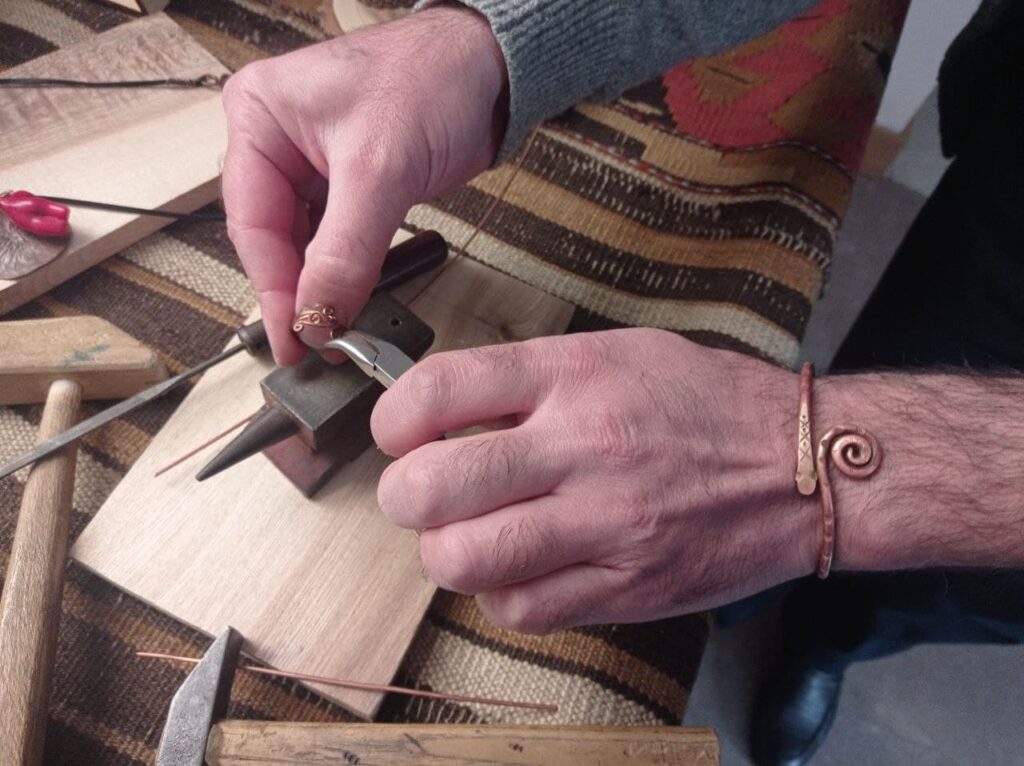
Several historical facts highlight Armenia as one of the world’s ancient centers of metallurgy.
Tel։ +374 96 27 04 82,Arman Badeyan & Margarita Malkhasyan
Facebook: @buduart.dilijan
The next remarkable place I recommend visiting is ARMENECOOP, a women’s social enterprise founded by the Dilijan Youth Cooperation Center NGO. Here, colorful fabrics create a true explosion of color.
You choose your favorite color, a Dilijan-themed design, and with the help of the staff, sew your own fabric tote bag.
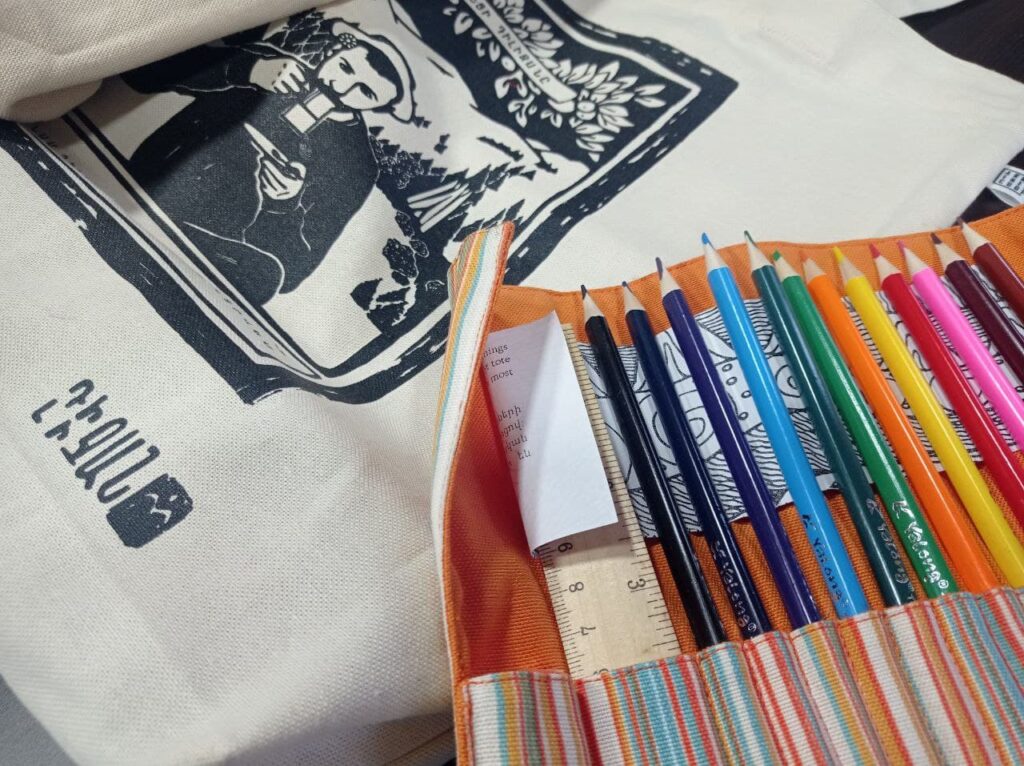
The first Made in Dilijan product line was created with the goal of producing locally made souvenirs that people could use in their everyday lives.
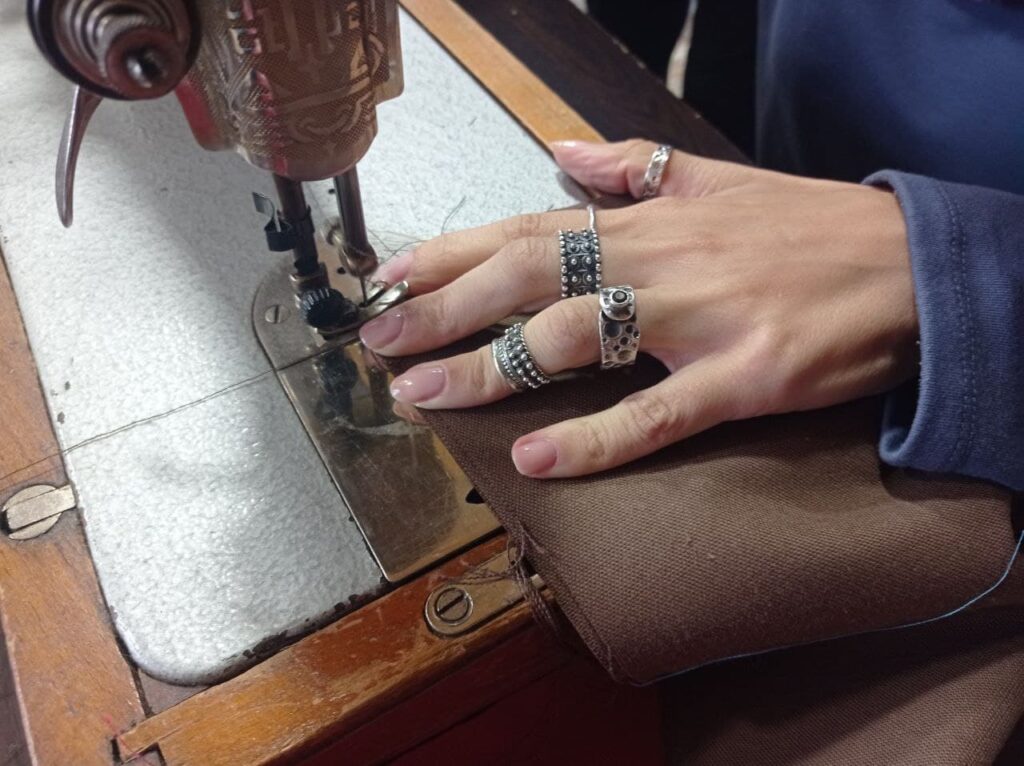
It is part of the modern revival of traditional crafts.
I chose the Old Dilijan print, and within a short time my bag became an inseparable companion throughout my journey in Tavush. It is very practical, featuring a small inner pocket designed for coins and a mobile phone.
I hurry to Ijevan. We start the day early.
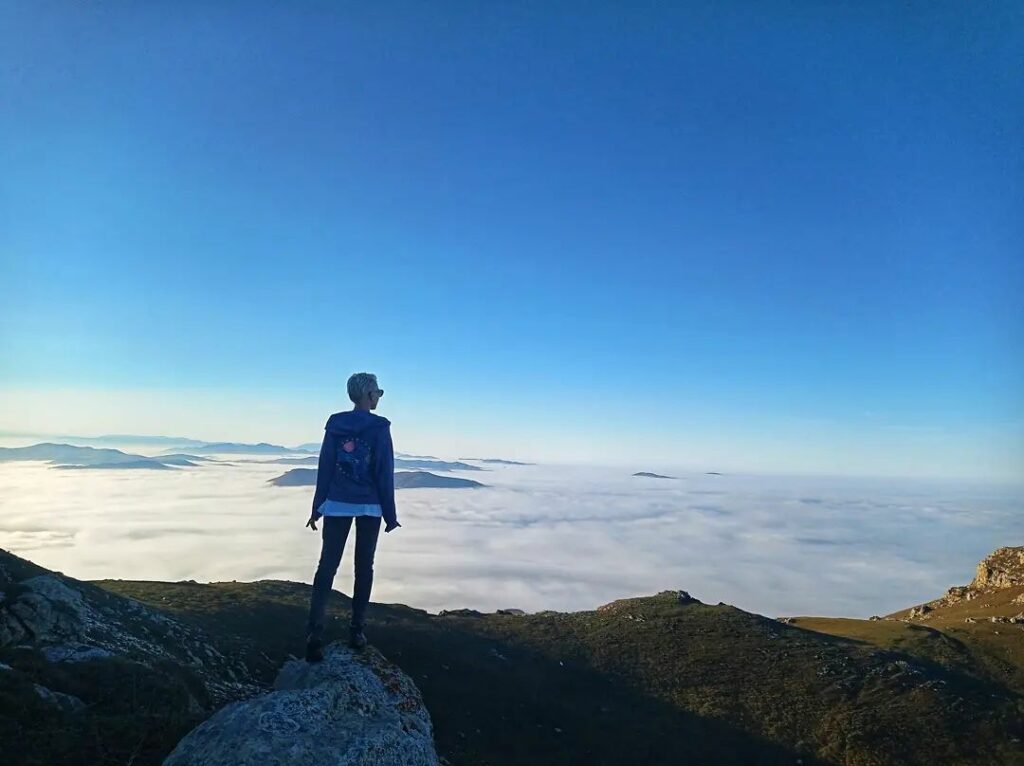
In the morning, together with local guide Vahe Mayilyan, I am preparing to explore the Ijevan mountain range.
Whenever you travel, spend time with local guides. Only they can introduce you to unique and hidden attractions that truly belong to the area.
Tel։ +374 60 65 15 00, +374 77 77 25 05, Arthur Ghazaryan
Facebook: @armenecoop
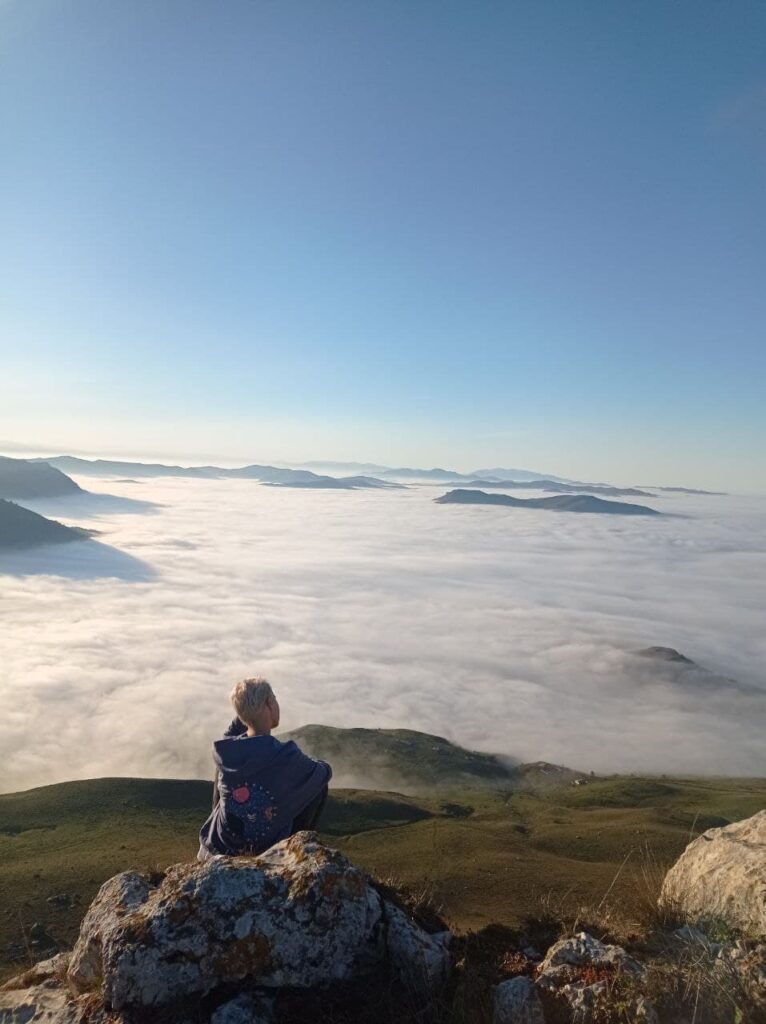
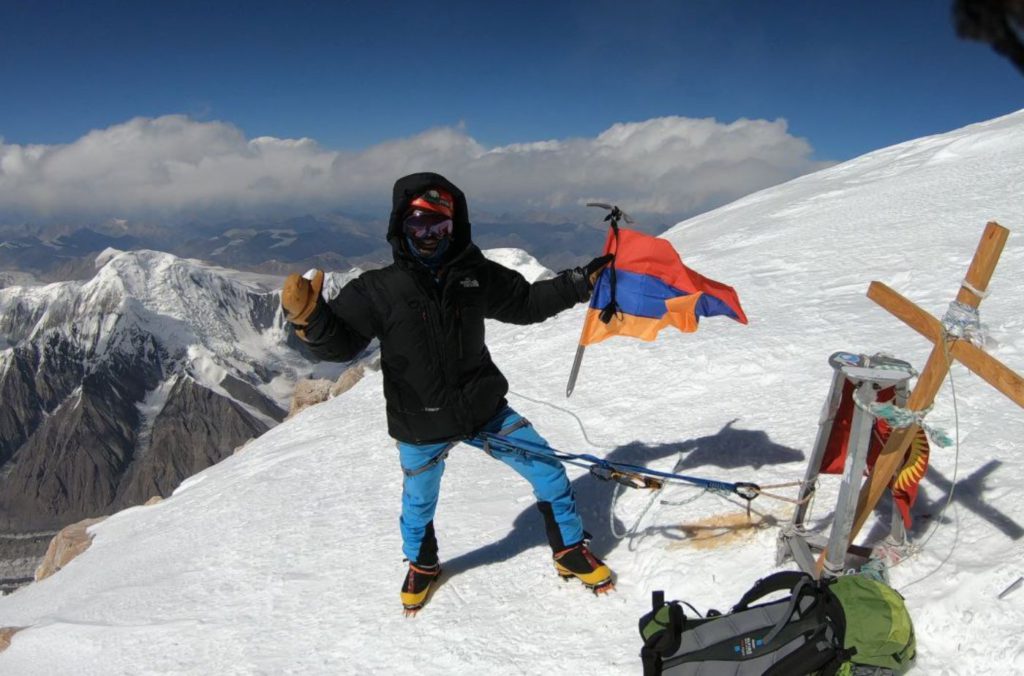
Mountains are extraordinary places. On the one hand, they challenge your physical strength, strengthen your determination, and teach you how to connect with nature. On the other hand, snow-covered peaks reaching toward the sky, the sound of untamed rivers and waterfalls, the scent of mountain herbs, and the endless blue above come together to create remarkable harmony and beauty, restoring inner peace.
At the summit, there is a unique feeling of lightness and happiness.
Standing in this untouched corner of nature, you can hear your inner voice, experience a sense of freedom, and discover a new part of yourself.
It is impossible to look away.
We are in the Ijevan mountain range, above Kamut.
By the way, Vahe is a fourth-generation woodcarver. After the hike, if you wish, you can visit his workshop, where he will help you create beautiful wooden handicrafts with your own hands.
Tel։ +374 93 02 29 21, Vahe Mailyan
Facebook: @MayilyanTour
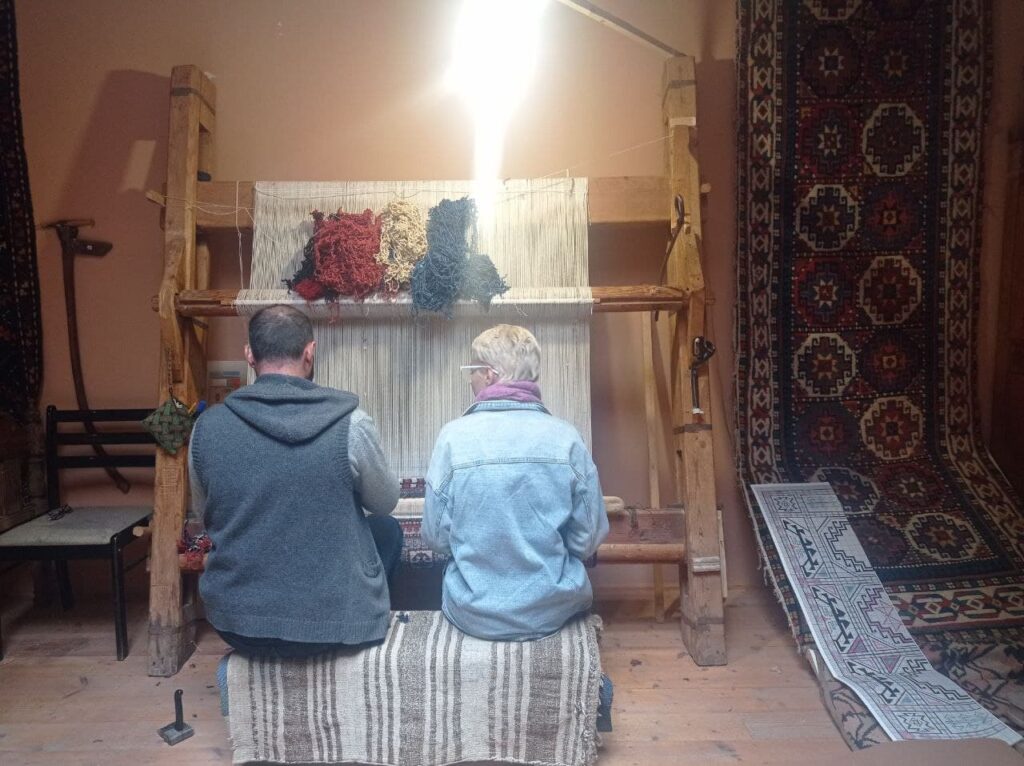
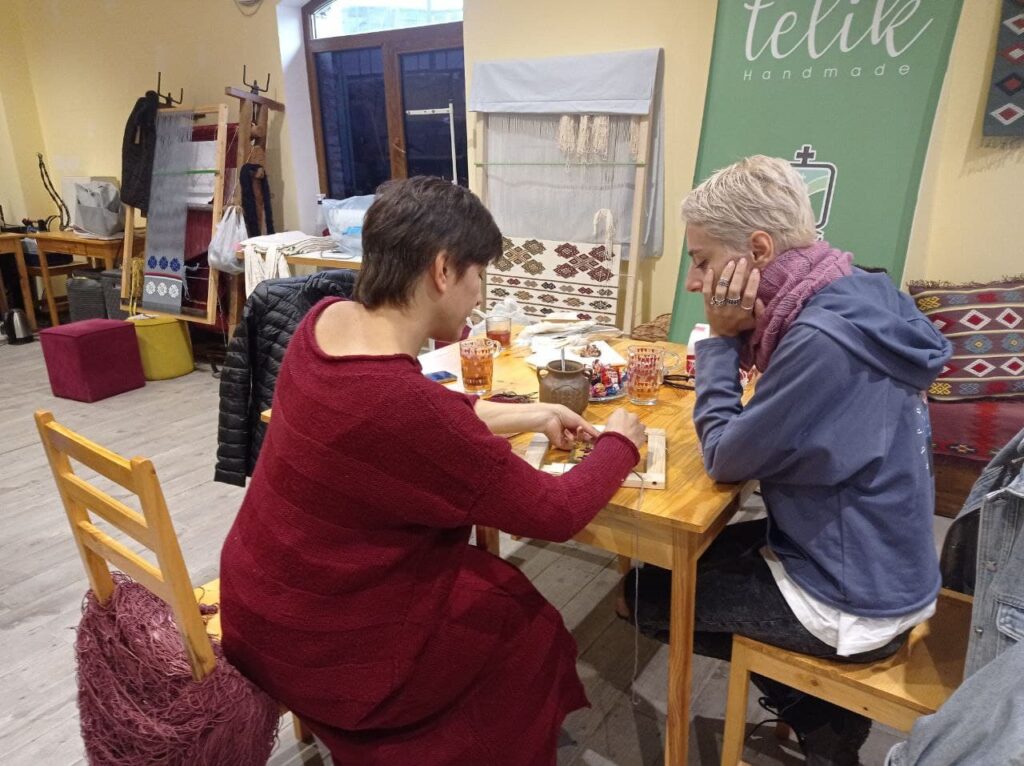
After the hike, I was welcomed at the center of Telik Social and Cultural NGO. A warm cup of fragrant herbal tea was waiting for me, along with an introduction to the unique Armenian handmade Shulal weaving technique.
Hasmik explained that during the Soviet period, Ijevan was home to a well-known carpet factory, which unfortunately is no longer operating today.
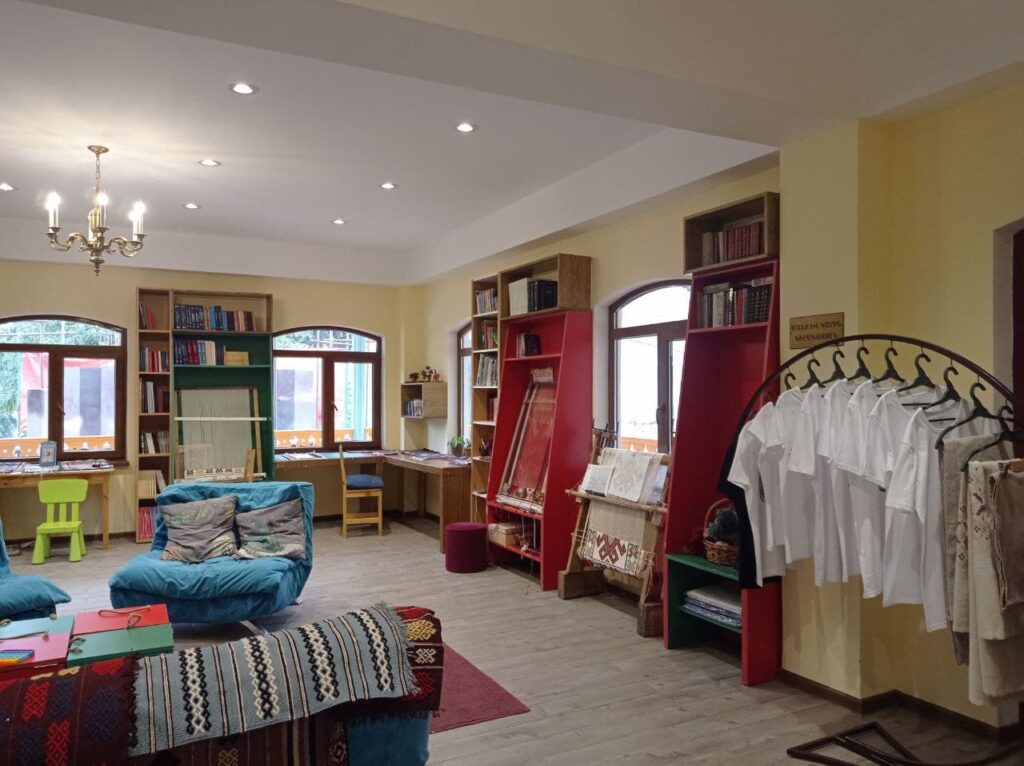
I learned that Shulal is a traditional Armenian flat-weaving technique that was practiced in the Tavush region. Unlike carpet weaving, Shulal is considerably more difficult to master and requires extensive experience. Throughout history, many Armenian weavers learned this technique from an early age in order to produce practical household textiles. The fabric created with this method is known for being especially durable.
Tel։ +374 98 56 01 18, Hasmik Margaryan
FB: telikcrafts
This article was produced within the framework of the My Armenia Program, funded by the United States Agency for International Development (USAID) and implemented by the Smithsonian Institution.
The contents of this article are the sole responsibility of the author and do not necessarily reflect the views of USAID, the Smithsonian Institution, or the United States Government.
Լեռնագնացությունն առաջին հերթին աշխատանք է, երկար ու հ
Դուրս եկանք գետ։ Թիավարում ենք առաջ, տեղ-տեղ ալիքներն ա