Mantashaberd: A Piece of Tavush
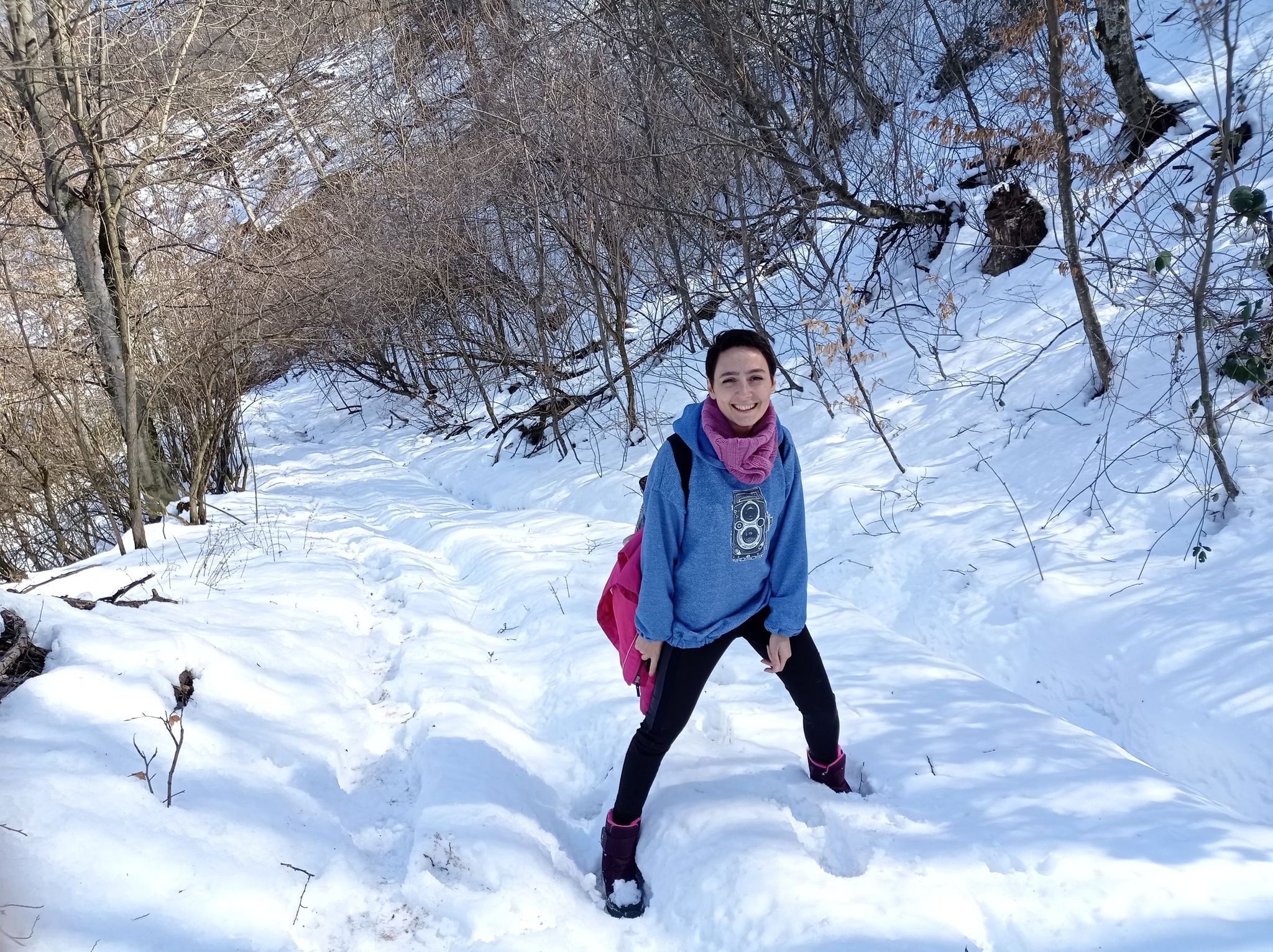

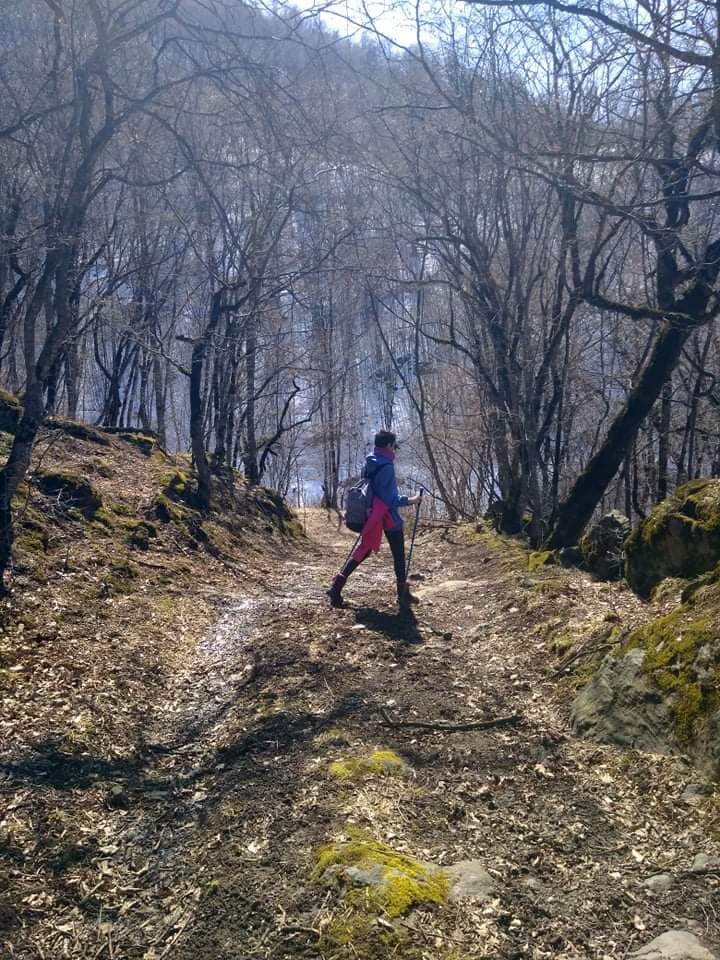
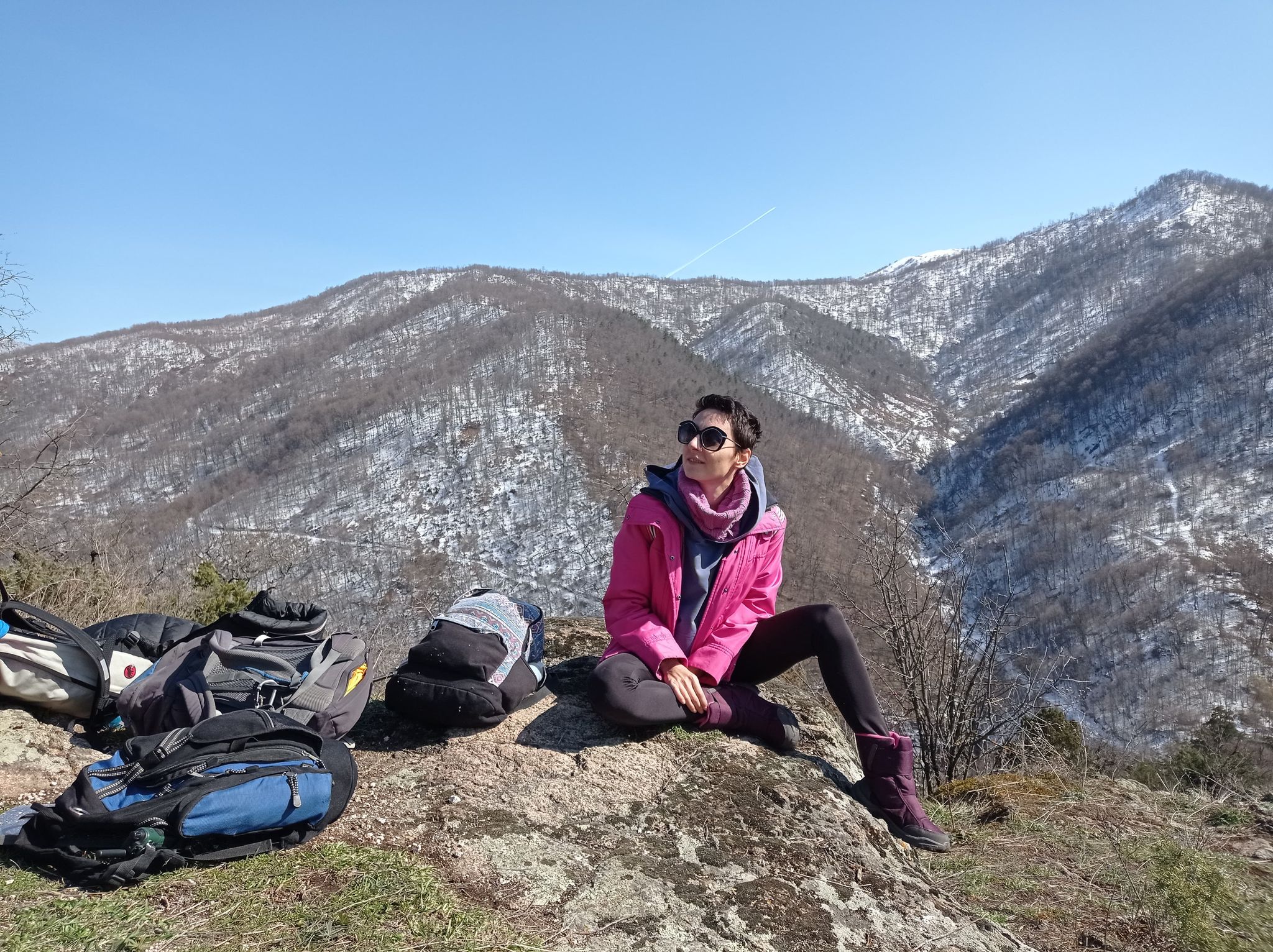
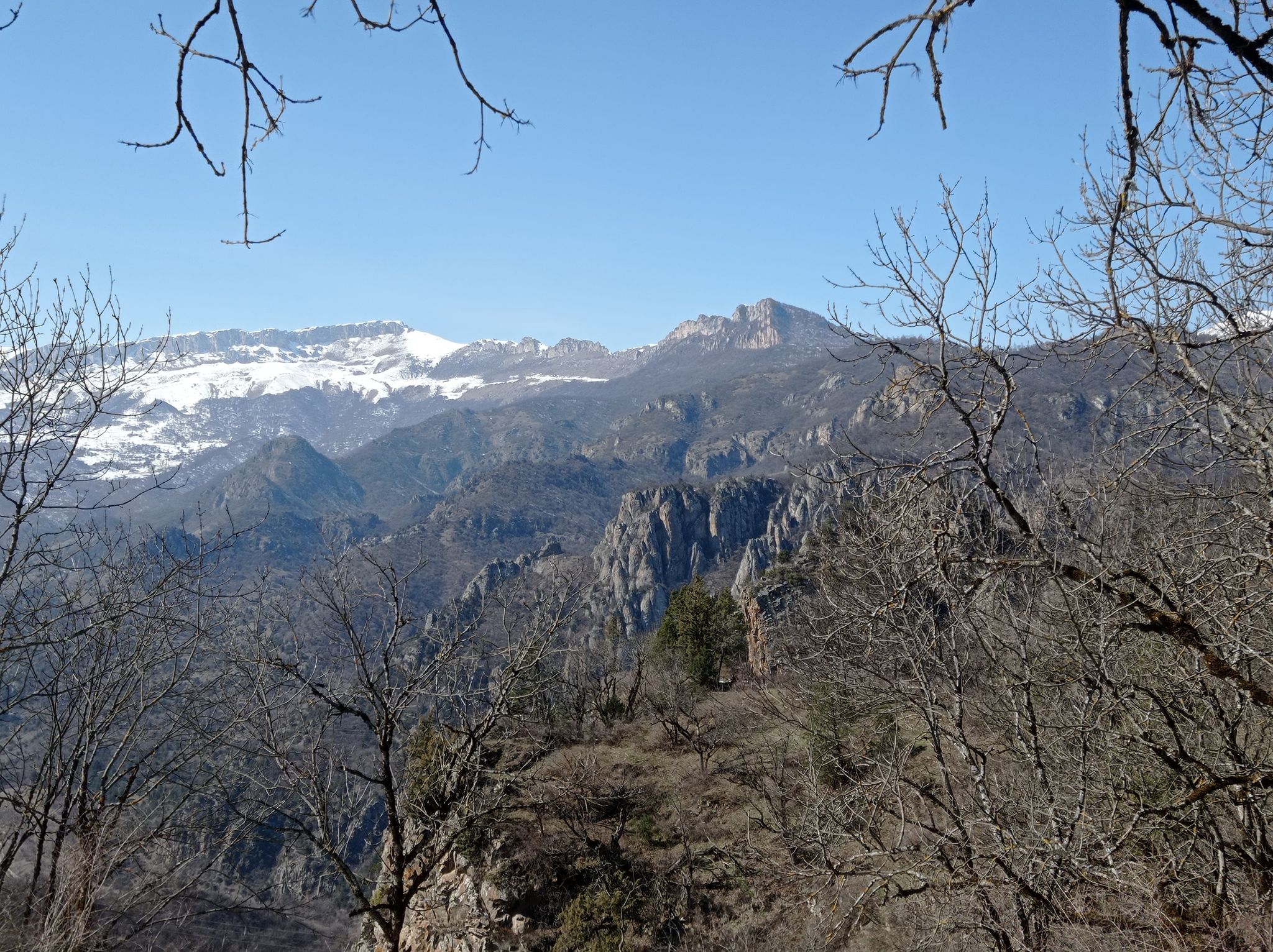

You need a roadmap in life. Hiking teaches you to recognize every milestone and every signpost along your path. People do not lose their way because they are uncertain about where they want to go. They lose their way because they begin their journey but fail to pause from time to time and make sure they are still heading in the right direction.
Perhaps the challenges of a hike will make you believe that you cannot replace your bad habits with better ones. But there is one thing I know for certain: if you are breathing right now, if you are alive, then you can always begin again.
Whatever you face, whatever you struggle against, whatever difficulties stand in your way, there will always be a way to overcome them—if you decide, once and for all, to remain persistent.
Our journey begins in the village of Gandzakar in Armenia’s Tavush Province, where the hiking trail leading to Mantashaberd Fortress starts.
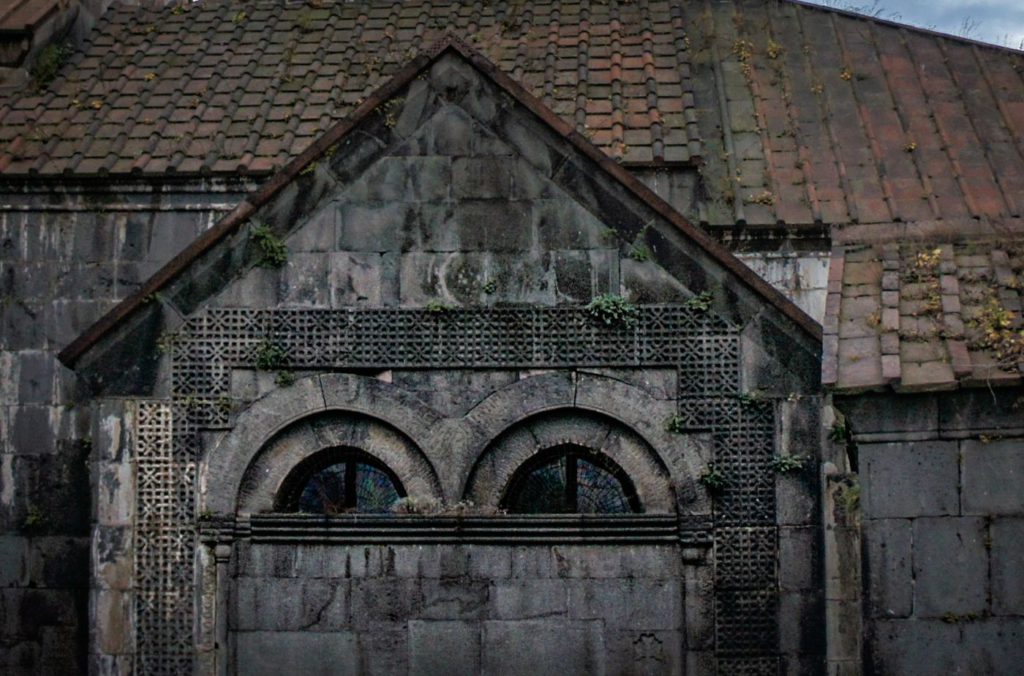
Magnificent and seemingly unreachable, romantic yet rugged, wrapped in legends and myths, Armenia’s fortresses stand as silent witnesses to centuries of history and royal dramas. Few countries in the world have inherited such an impressive number of medieval fortifications as Armenia. These remarkable structures were built over the course of nearly a thousand years, from the early Middle Ages to the centuries that followed.
The fortresses of Armenia have survived in many different conditions. Some remain only as ruins, others have preserved little more than their outer walls, while some have been lost entirely, leaving behind only their names.
A well-known legend connects Mantashaberd with Aghjkaberd (“Maiden’s Fortress”). According to the story, there once lived an extraordinarily beautiful princess. Many princes, captivated by her beauty, wished to marry her, but every one of them was rejected. Unable to accept her refusal, they attempted to conquer her by force.
The princess gathered her own army, built a fortress, and took refuge there. A prince named Mantash, inspired by her courage and determination, constructed his own fortress directly opposite the Maiden’s Fortress. After several unsuccessful attacks, he eventually sought peace. As a symbol of friendship, they built a bathhouse on the banks of the Aghstev River, which became the place where they met.
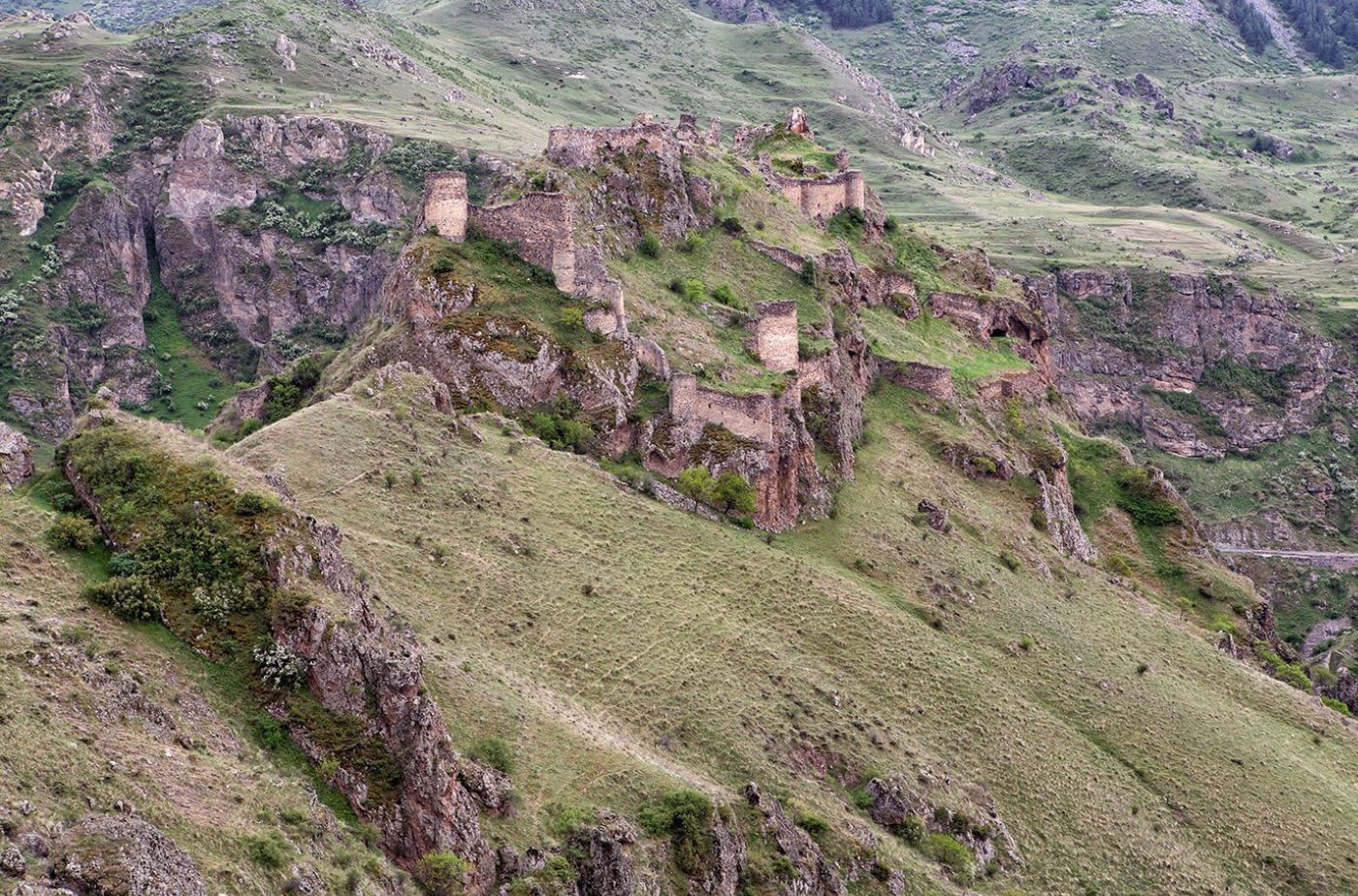
The walls of Mantashaberd were built from black stone, and for this reason foreign conquerors called it Qara Qara, meaning Black Fortress. Later, the name Kara Kala also came into use. The fortress dates back to the Bagratuni period and is also known as the Fortress of King Ashot Yerkat.
Among the best-known fortresses of the Ijevan region are Aghjkaberd (Kyz Kala), Mantashaberd (Kara Kala), Mahkanaberd (Berdakar), along with several smaller fortified sites.
Some researchers identify the medieval fortress of Kayan with Aghjkaberd because of its naturally fortified position overlooking a large section of the Aghstev Valley, while associating Kaytson with Mantashaberd. Others argue that Kayan actually occupied the site of Mantashaberd, claiming that Aghjkaberd was too small to shelter the large population of the district fleeing from enemy invasions. These remain scholarly hypotheses that can only be confirmed through future archaeological excavations.
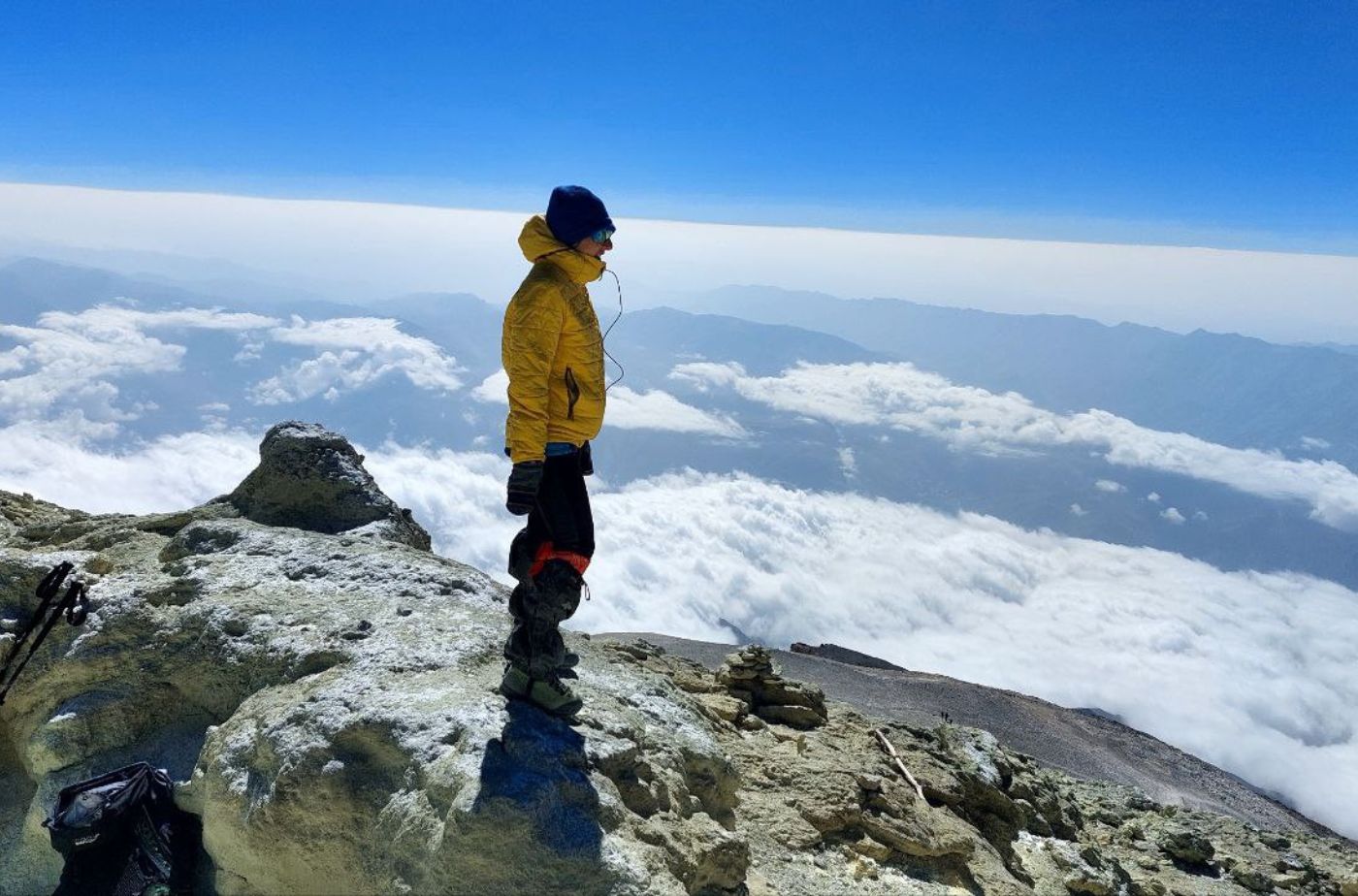
Դեմավենդը Իրանի գլխավոր խորհրդանիշներից է, միգուցե դա
Վարդգես Սուրենյանցը ստեղծել է ոչ թե պարզապես նկար, այլ