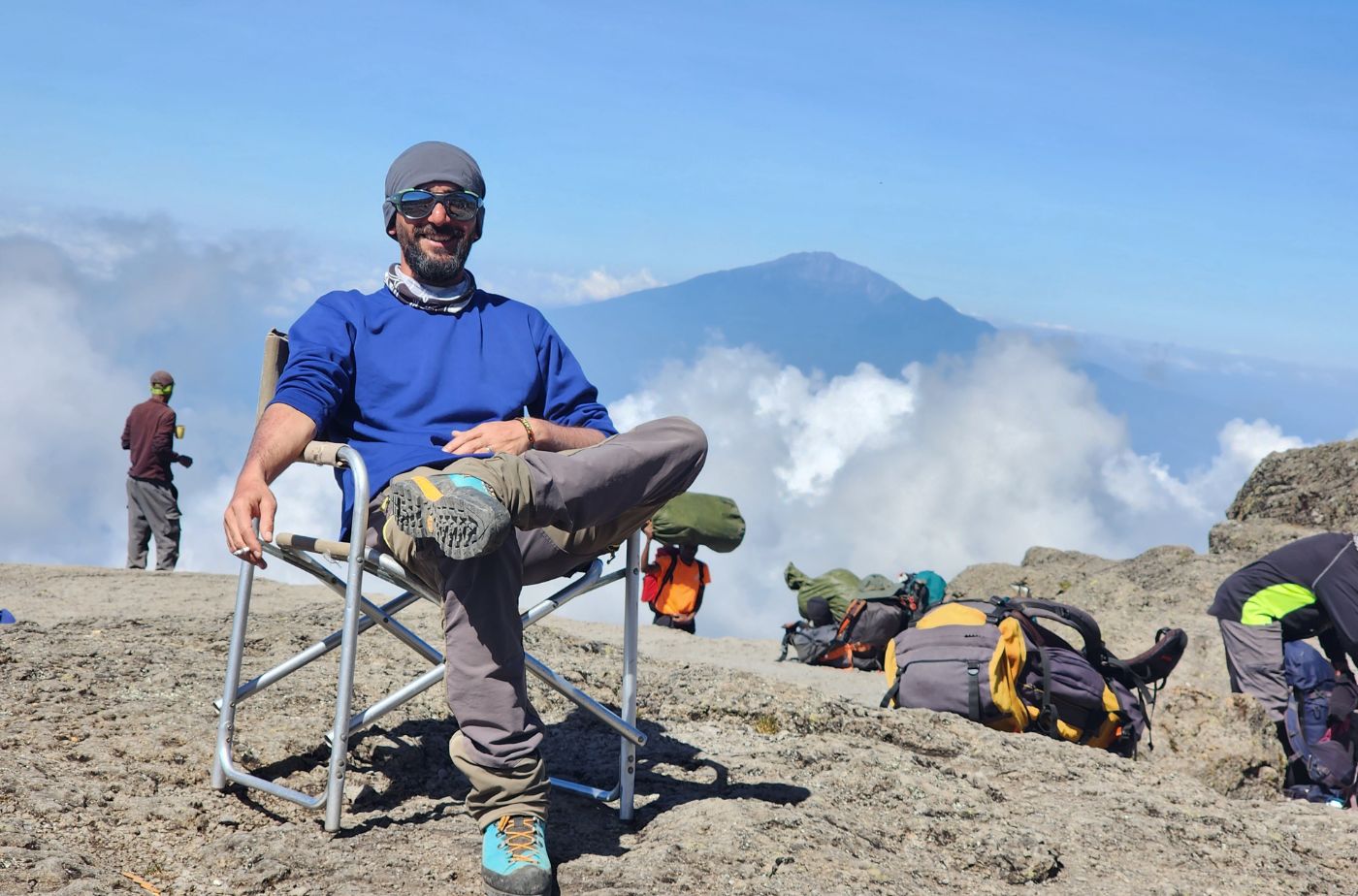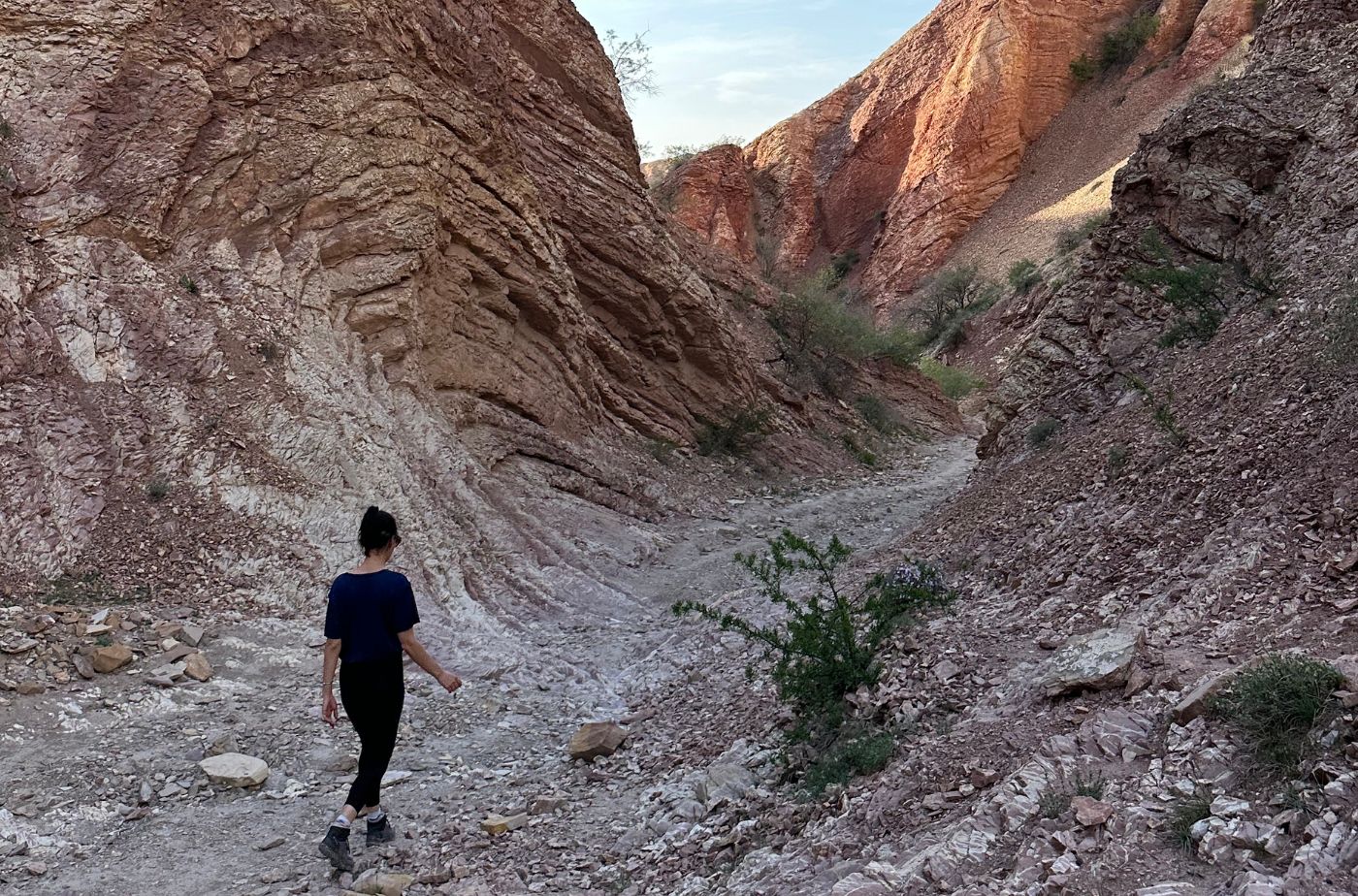

Many of you have asked me what you should pack for a hike, so I finally decided to share my personal experience. Everything I recommend comes from my own adventures and the lessons I’ve learned along the way.
The most important rule to remember is simple:
Don’t pack a ton of unnecessary things ou’ll be the one carrying them. Take only what you truly need, and make sure everything is comfortable and practical.
This is just a small part of what I’d like to share let’s call it Part One.
A poorly fitted backpack can become uncomfortable after only a few minutes of walking. If you’re planning a hike that lasts several hours, choose a backpack with a supportive, rigid back panel. It distributes the weight more evenly and relieves pressure from your shoulders, making the hike much more enjoyable.
I used to do shorter hikes without trekking poles, but today I never leave them behind. Even if I don’t end up using them, I always carry them.
For long hikes and mountain ascents, they are indispensable. Trekking poles provide stability during both climbs and descents, reduce strain on your knees, and help maintain balance on uneven terrain.
Invest in a good pair of hiking boots.
Regular sneakers simply aren’t designed for mountain trails. After an hour of walking through the forest, they often become wet, increasing the risk of slipping and injury. And in the mountains…
I’ve witnessed firsthand how dangerous ordinary athletic shoes can be when your feet lose stability on rocky terrain.
Whatever the season, never forget your:
As for sunscreen my own face is proof of how important it is. Even though I apply it regularly, I know how intense the mountain sun can be. Using sunscreen consistently helps prevent painful sunburns.
The heavier your backpack becomes, the harder your hike will be.
Choose lightweight, nutritious foods that don’t spoil easily.
I usually pack:
…although, to be honest, I somehow always end up forgetting the banana somewhere along the trail.
Just kidding…no mosquitoes are harmed.
But since they’re especially active during the hiking season, I always attach a small pouch filled with lavender, thyme, and mint to my backpack. The natural scent helps repel mosquitoes and other insects.
Before setting out, research your route, the terrain, and the weather forecast. Knowing what to expect helps you prepare for changing conditions and makes your hike both safer and more enjoyable.
Before heading into the mountains, familiarize yourself with your gear and make sure everything works properly. It’s much better to discover a problem at home than on the trail.
Always carry a basic first aid kit with essential medical supplies.
Mine isn’t fully stocked yet, but I never hike without adhesive bandages—they’ve saved me more than once.
Bring wet wipes or hand sanitizer to maintain good hygiene, especially when there’s no access to water.
Let’s be honest you’ll probably end up touching rocks, trees, branches, and who knows what else along the way.
Pack a few extra bags to keep your belongings organized. They’re useful for collecting trash, storing wet clothes, or separating dirty gear from clean items.
No matter how short the hike is, I always carry a flashlight in my backpack.
You never know what might happen.
Always be prepared for changing weather conditions.
Hiking in wet clothes is far from enjoyable, and a lightweight rain jacket can make all the difference.
If you found this article helpful, I’d be happy if you shared it with fellow hiking enthusiasts.
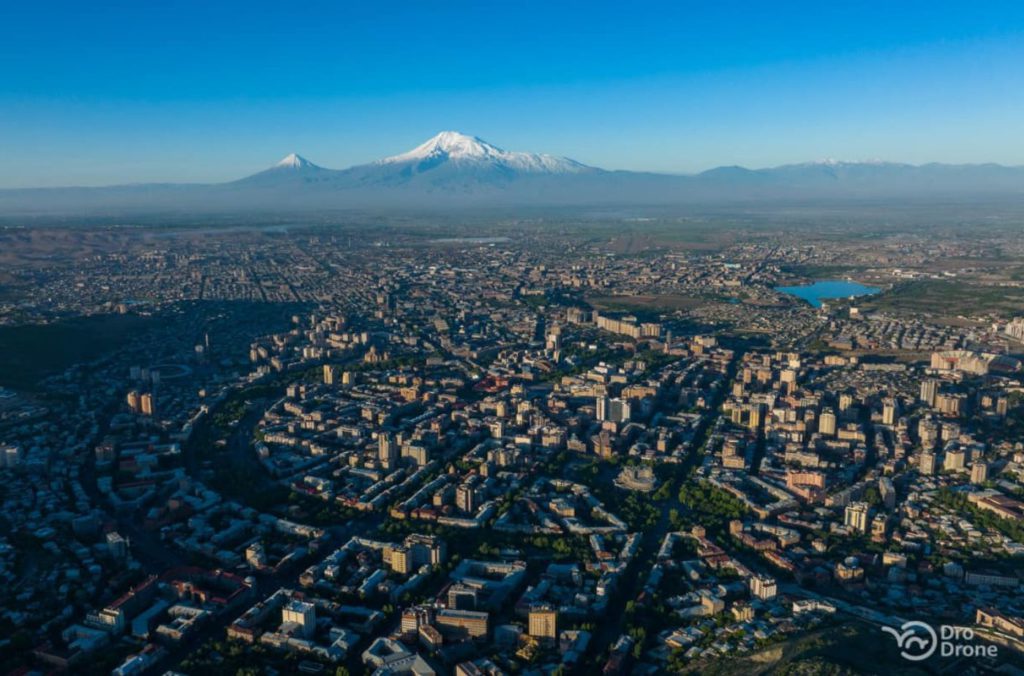
Հայաստանը կախարդական երկիր է։ Այստեղ ջերմ ենք, հյուրըն
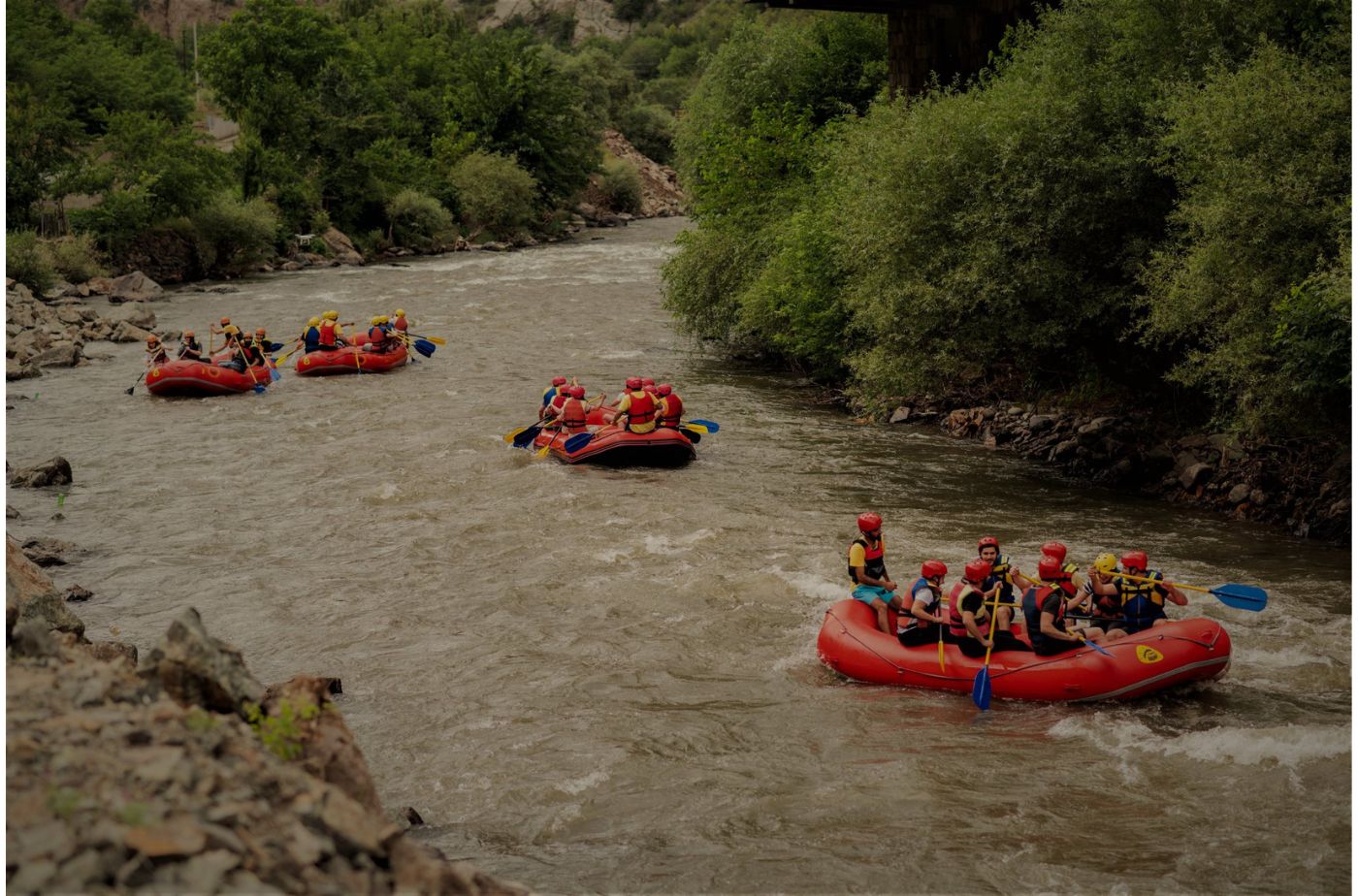
Դուրս եկանք գետ։ Թիավարում ենք առաջ, տեղ-տեղ ալիքներն ա
Ցանկացած ճանապարհորդության մեկնելիս մի քանի կետ կա, որ