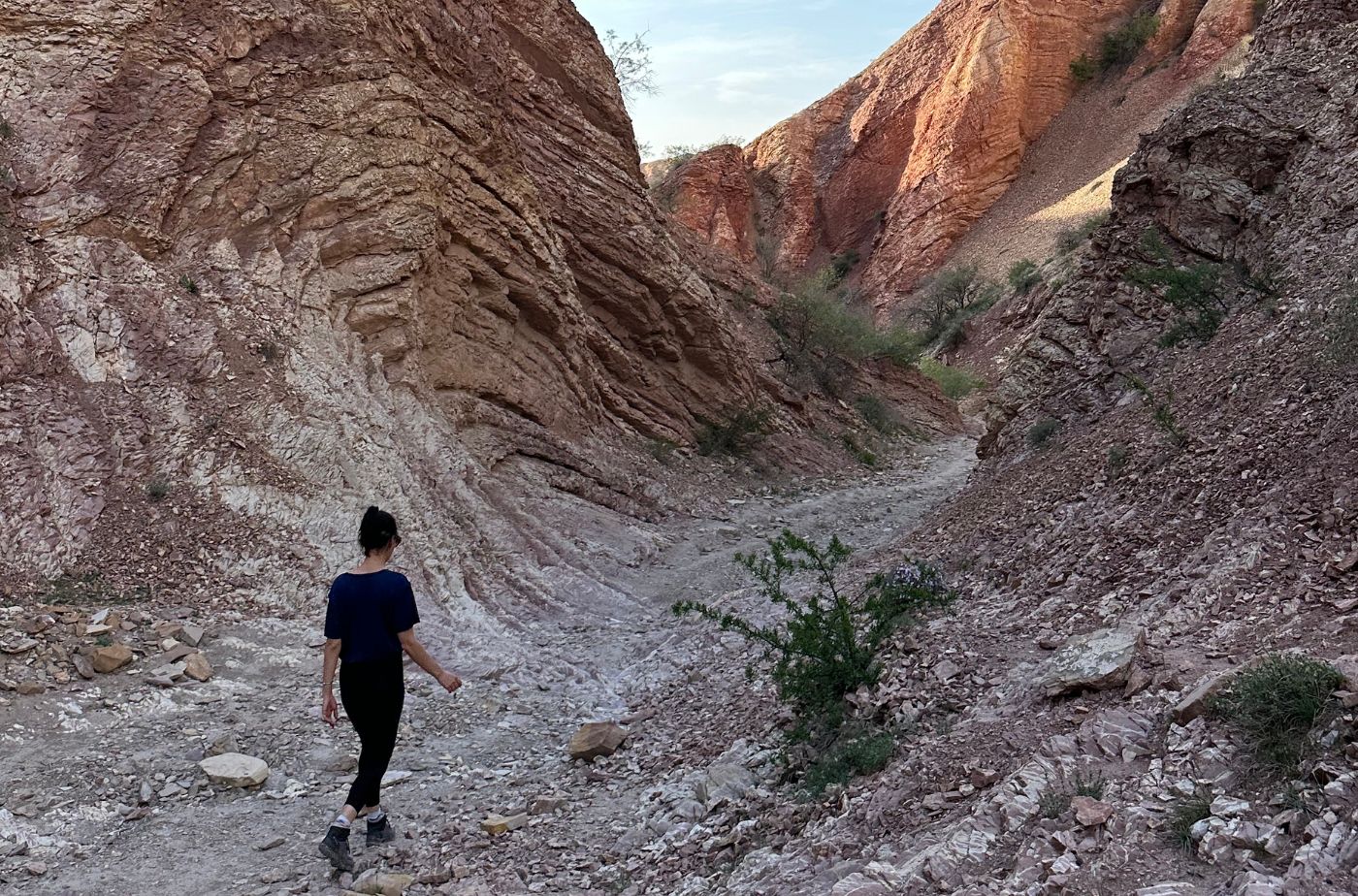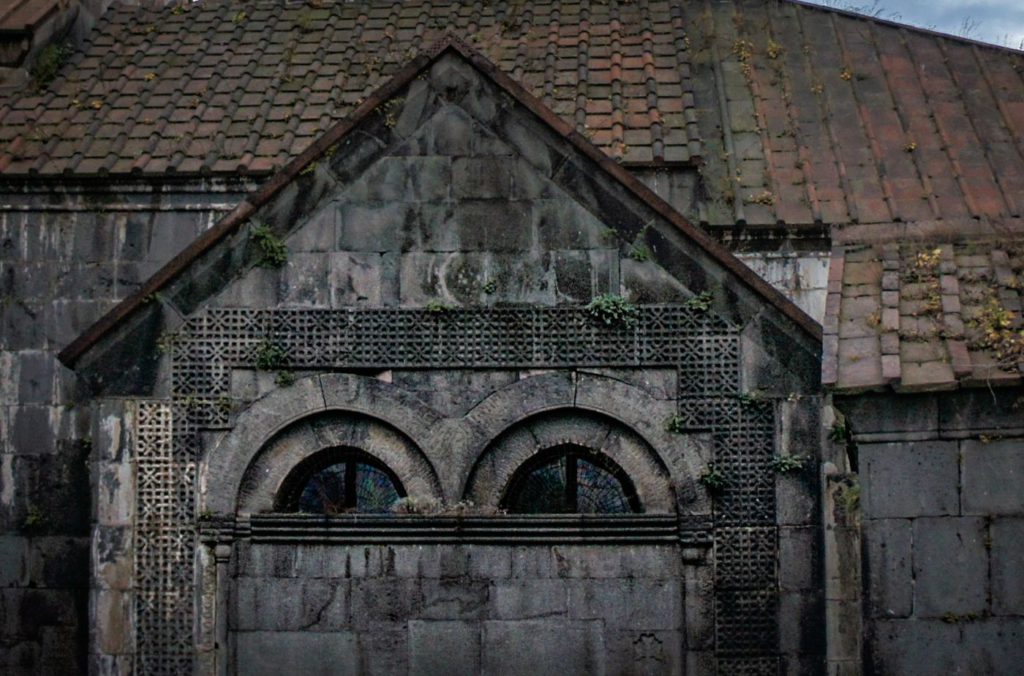

Nestled in the rugged embrace of nature, this architectural wonder stands as a testament to the ingenuity and dedication of its creators. Carved directly into the rock, the sacred sanctuary seems to offer a retreat from the noise of the world.
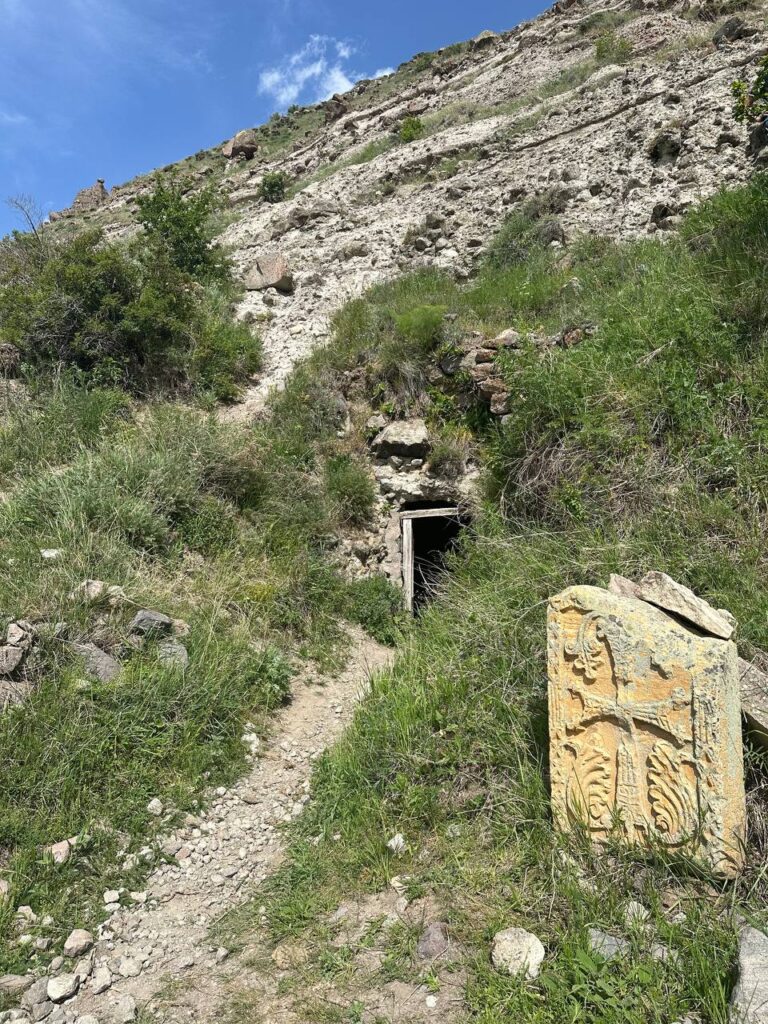
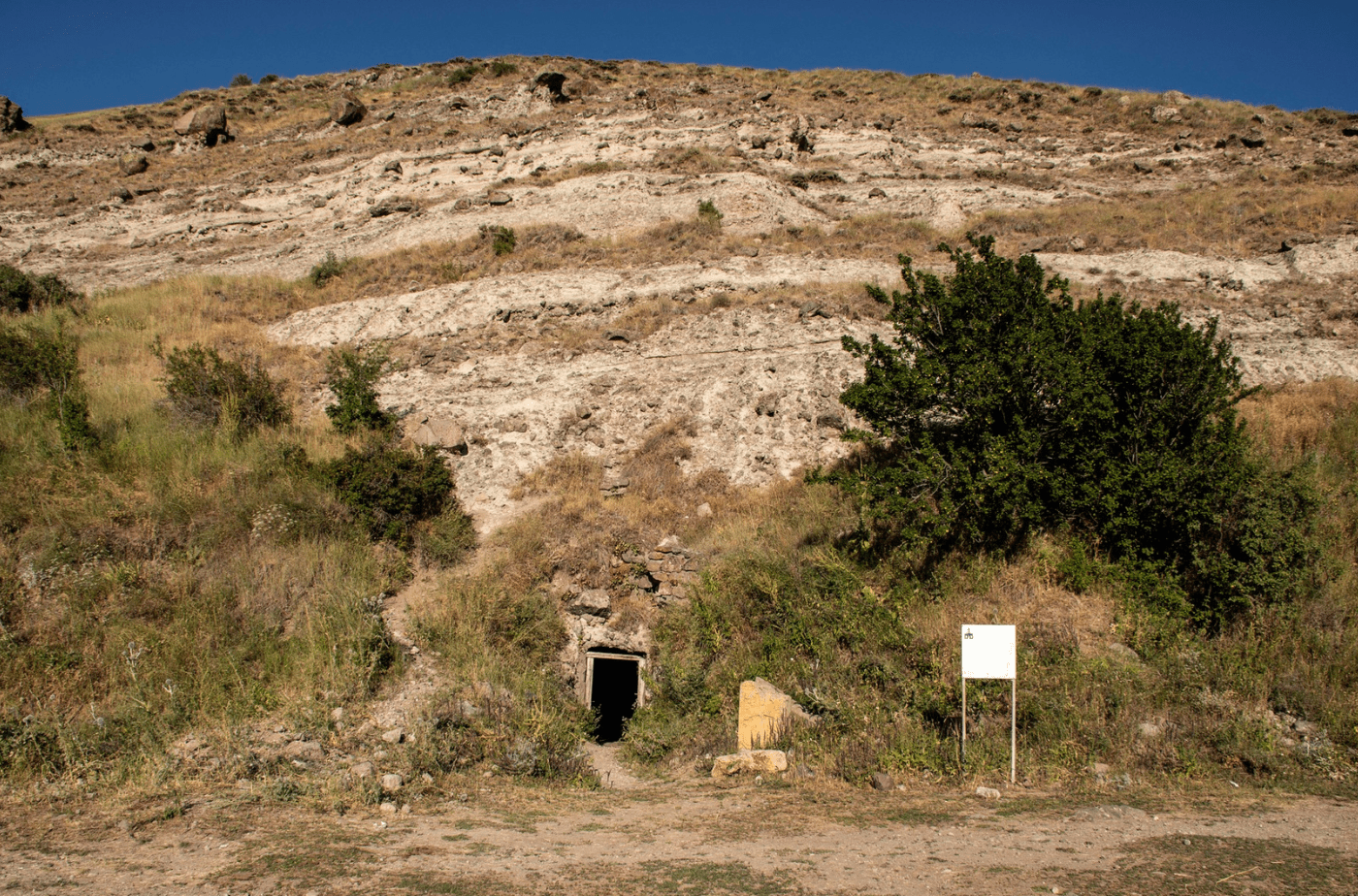
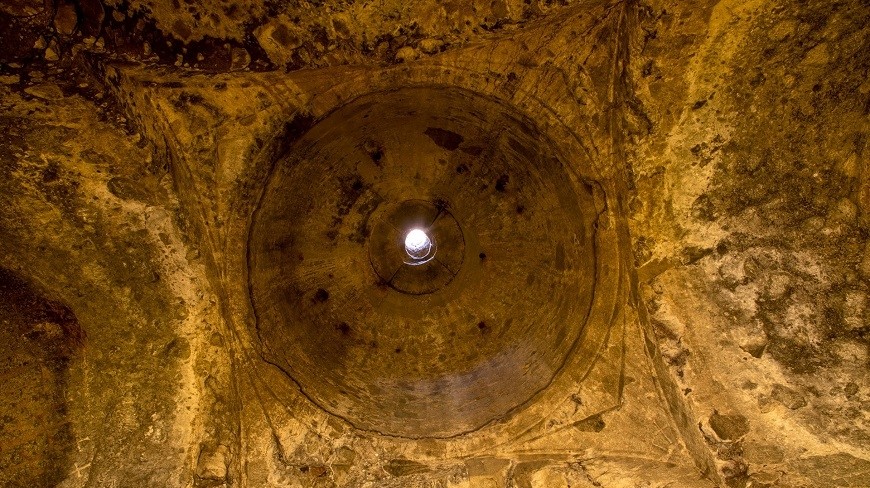
We are speaking about the Holy Mother of God Monastery, the most remarkable architectural monument of Martiros village. It is located approximately 2.5 km southeast of the village, on the lower slopes of Mount Nzar, at the site where cold, abundant springs emerge. The monastery is entirely carved into the interior of Mount Nzar, within the underground rock. It consists of a gavit (narthex), a prayer hall, and a church with a square floor plan measuring 3.3 meters.
According to the inscriptions preserved inside, the monastery was built by Vardapet Martiros in 1286, and its architect was the stonemason Grigorik. After Geghard, this rock-cut church is the most significant and largest rock-hewn architectural complex in Armenia, and it ranks first in Armenian ecclesiastical architecture for its interior acoustics.
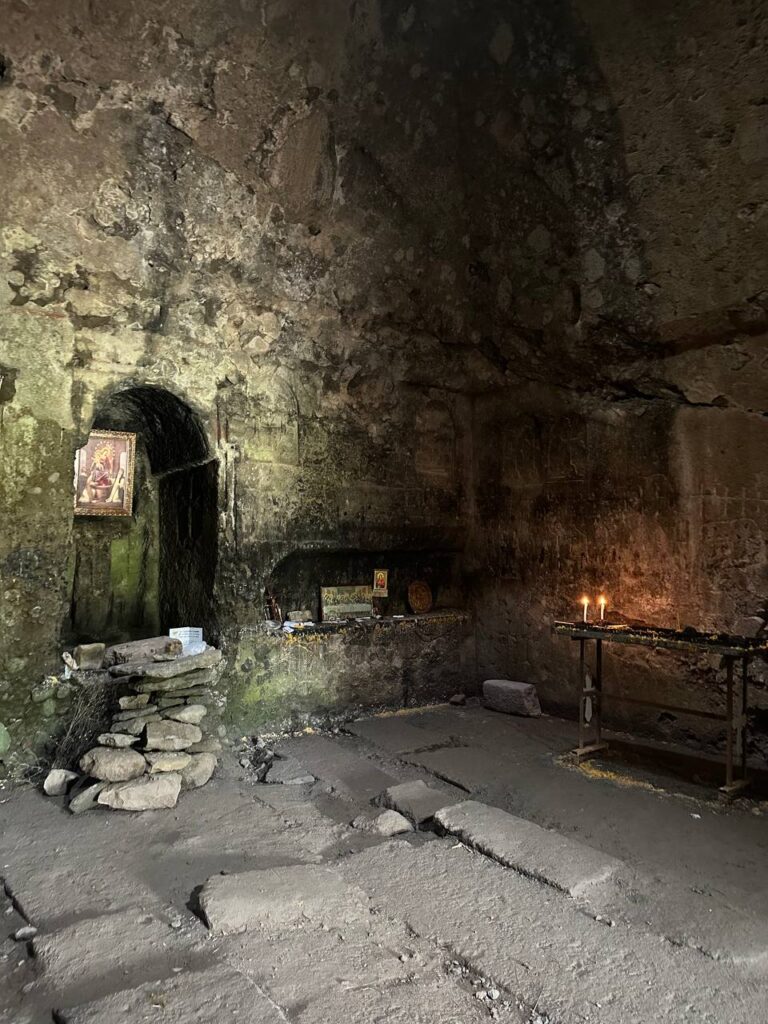
In front of the rock-cut monastery stretches a convex plateau, sloping toward the stream on one side. Traces of ruins have been preserved on this plateau. It is possible that the monks of the monastery once lived here. There was also an old settlement in front of the monastery. It is said that a shaft had been dug from the church down to the river, from which water was brought for use. This shaft also had strategic importance. According to a local tradition, during the campaign of Tamerlane, the villagers hid inside the rock-cut church. However, the cry of a child revealed their location, and the people were put to the sword.
Popular memory has preserved the traditional custom of pilgrimage to the monastery. Every year, on the last Sunday of August, a pilgrimage takes place to the Rock-Cut Church.
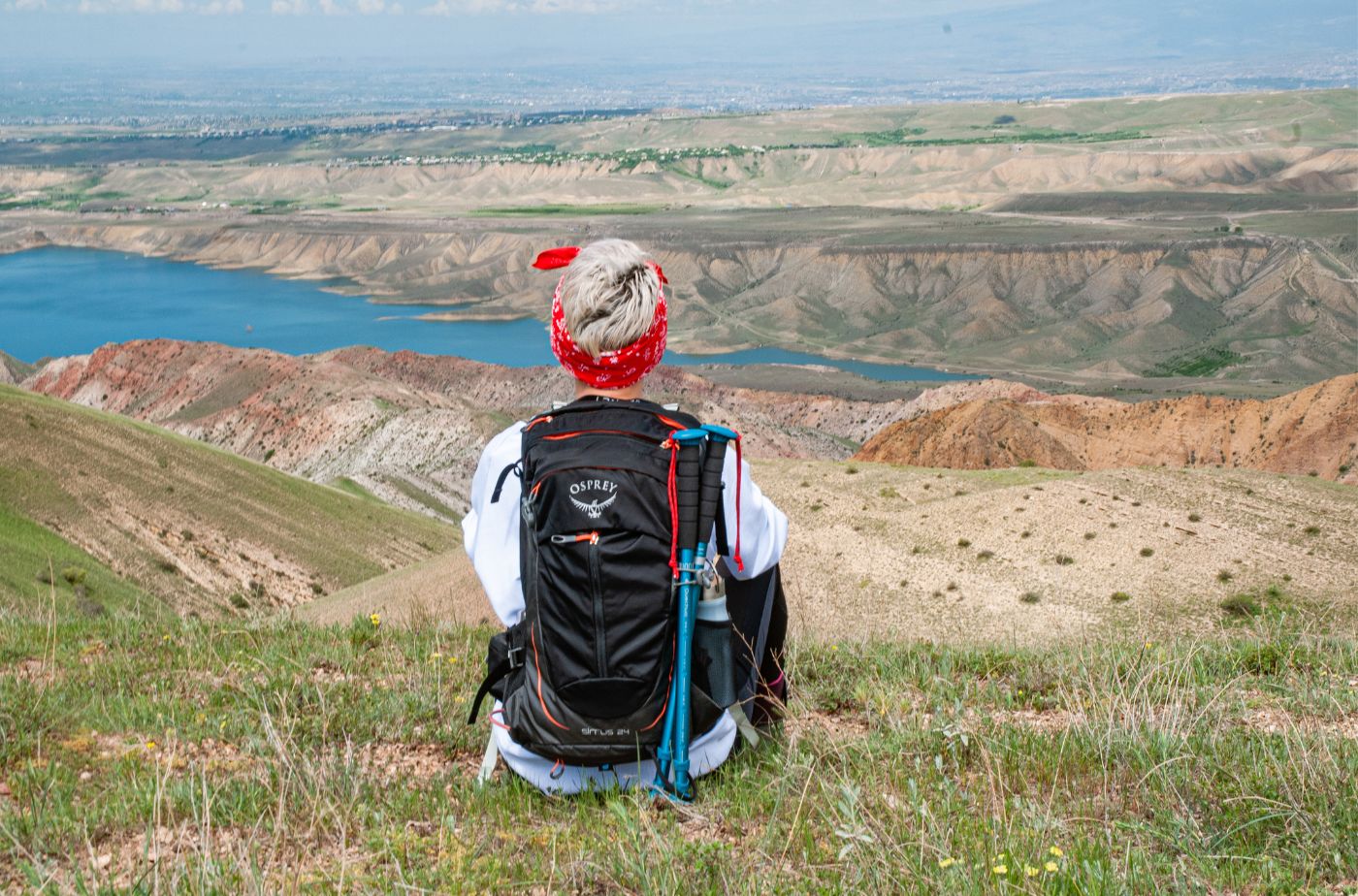
Տարվա անելիքներիս մեջ Երանոսի լեռ բարձրանալը մուգ տառ
Կավագործությունը հնագույն արհեստ է։ Պարզվում է, որ ոչ