10 Destinations in Armenia
Our life is a journey from one place to another, and in Armenia there are countless places to visit, see, and discover — diverse, colorful, and full of stories. This time, I have selected several such destinations. All you need to do is read, get acquainted, and if you have visited even one of the places mentioned in this article, share your impressions. If not, choose a few and start your journey.
Gyumri
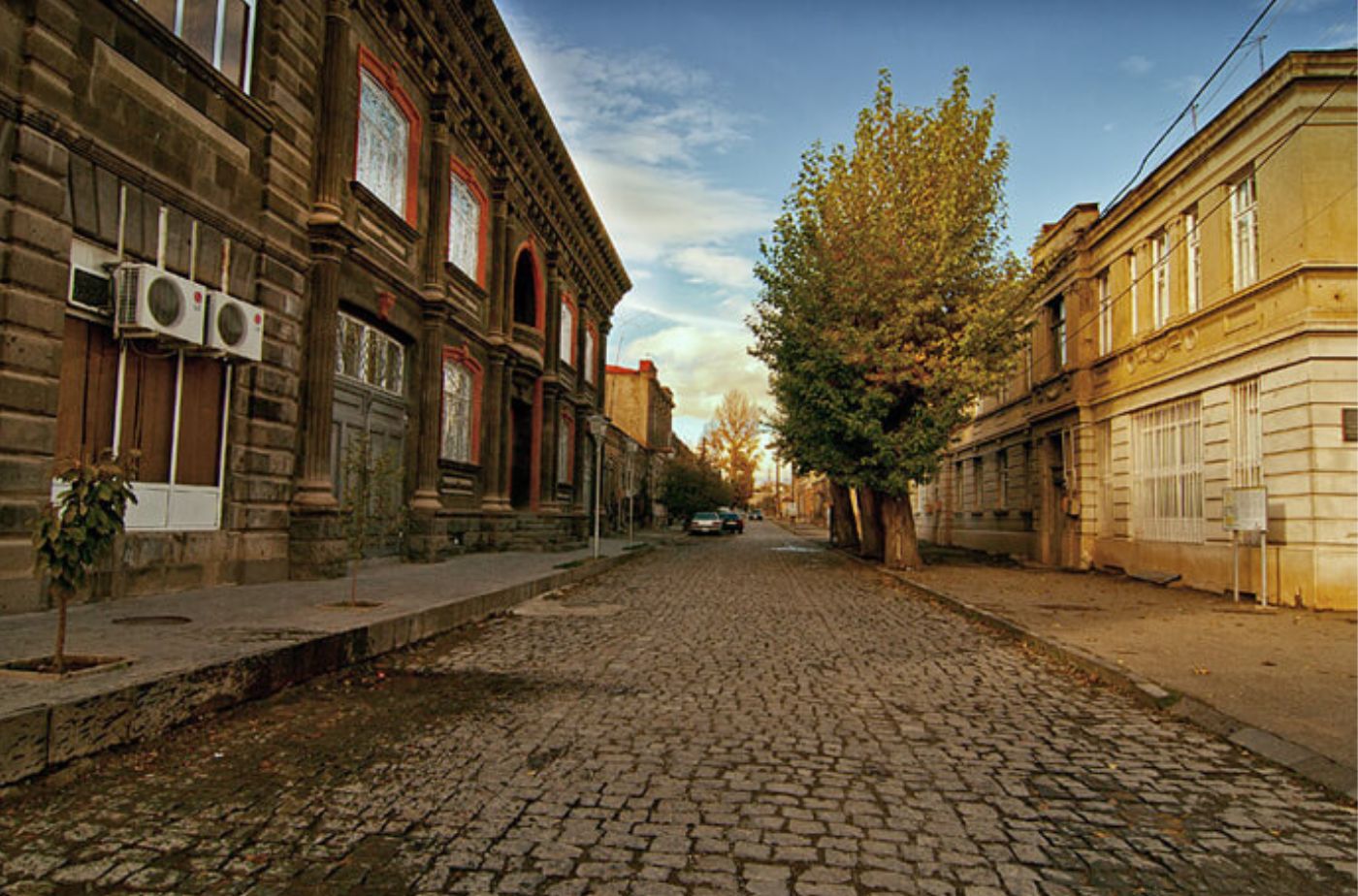
Gyumri is a unique city, rich with extraordinary people and history. Once you visit it, it will make you want to return again and again. The first opera building, the house of dowry, doors and windows, locations where famous Armenian films were shot, fortresses, museums, and many other fascinating sights are all reasons why Gyumri is worth visiting. I personally visit here often. Why? Because Gyumri is never the same twice.
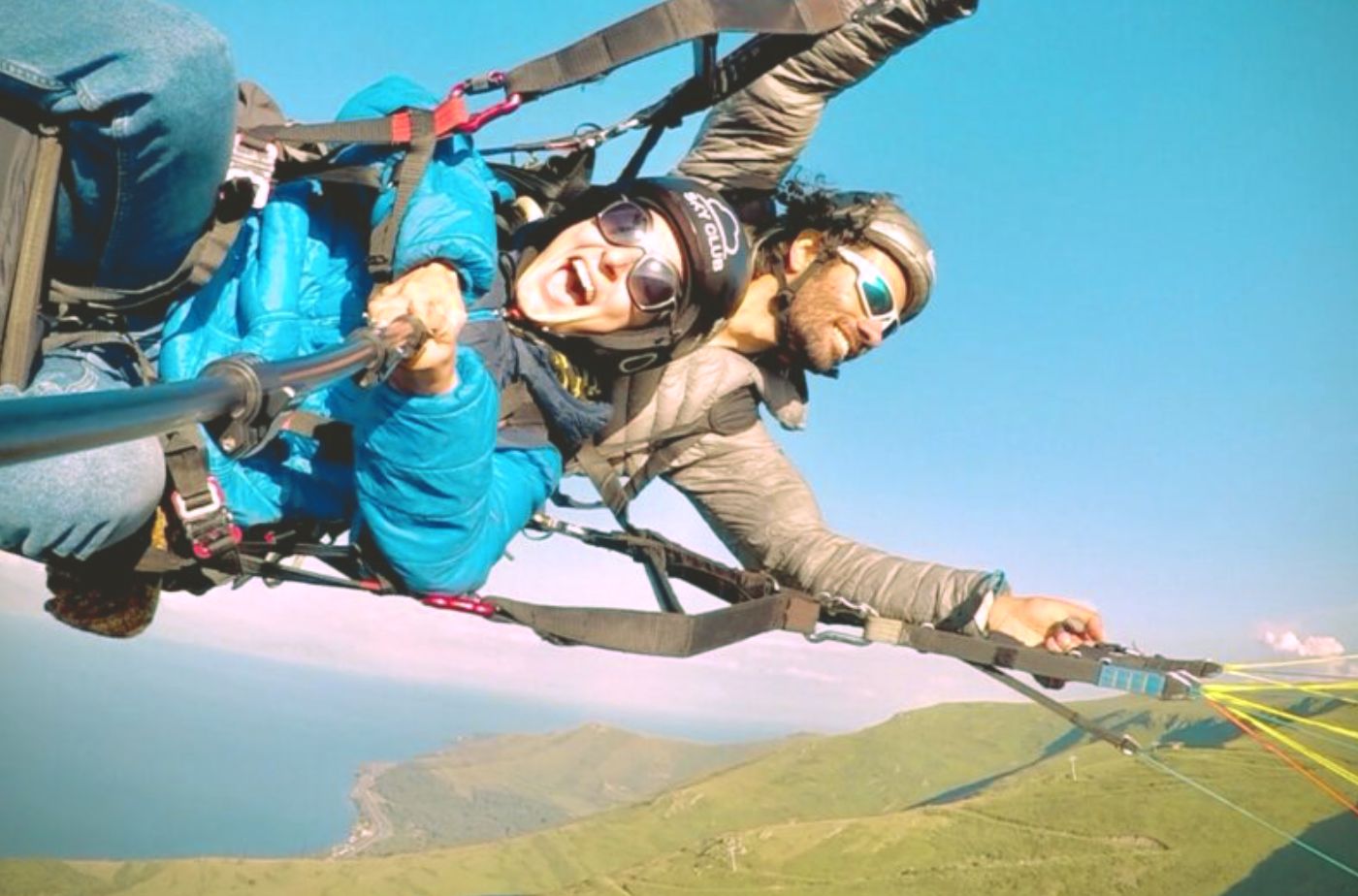
Armenia from a Bird’s-Eye View: Paragliding Flight
The beauty of Armenia should also be experienced from above. You will have indescribable and unique feelings about nature and the world surrounding us. Very often, almost every day, we travel along roads without realizing how beautiful they truly are, while from a bird’s-eye view they become breathtaking. During the flight, you will experience countless, crazy, and real emotions. No matter how much I tell you about it, to truly understand me, you simply need to fly by paraglider once.
Ughtasar: Petroglyphs
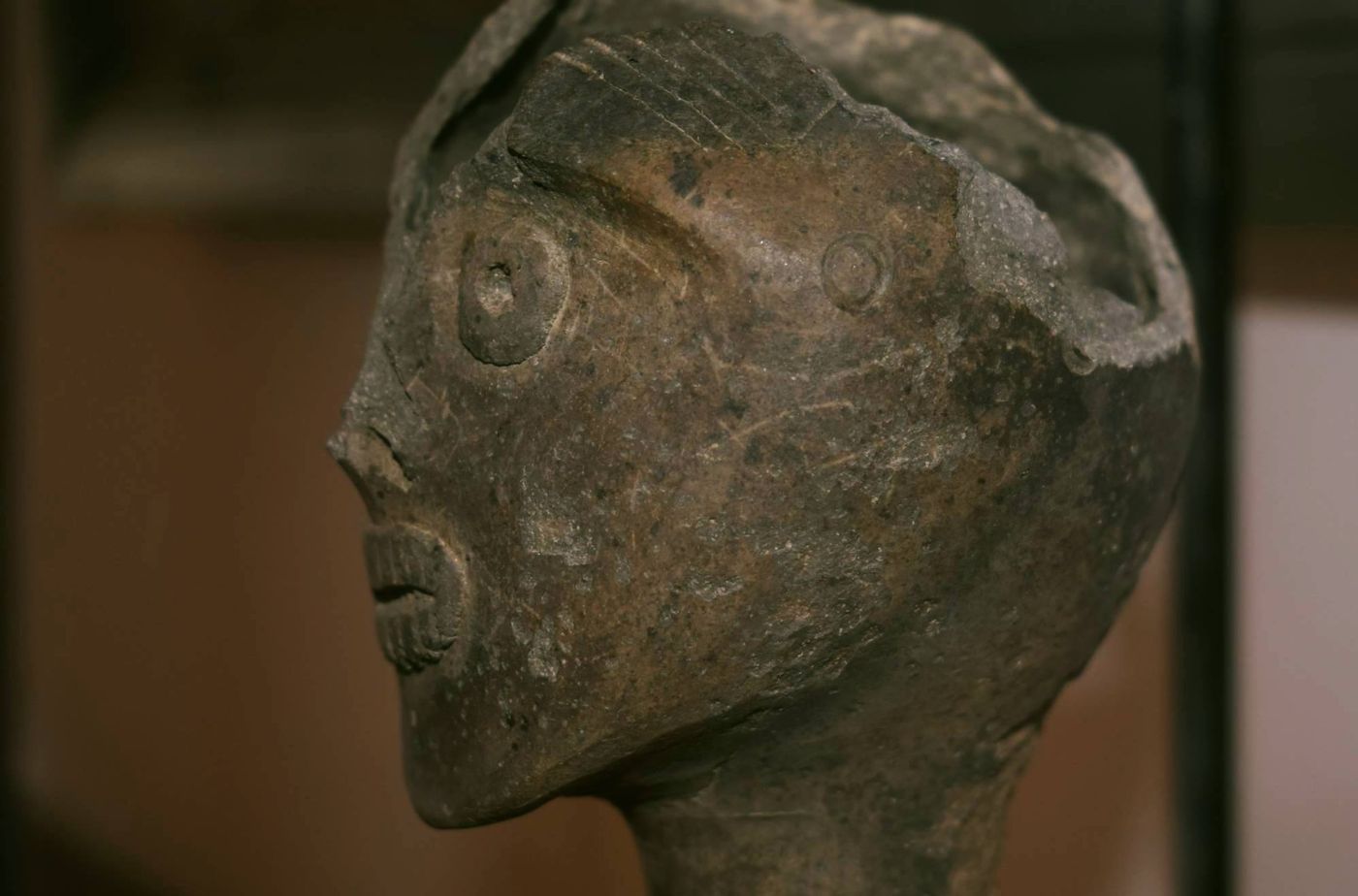
Ughtasar is a unique open-air museum. It is a place that reveals the traditions, lifestyle, and daily life of ancient Armenians. Exploring Ughtasar is possible in June, when you can see the carvings made with stone tools on black and gray volcanic rocks. Many of these are considered memorials dedicated to the lives of the deceased and heroic stories.
The stones depict people hunting, farming, participating in competitions, battles, and dancing scenes. There are also numerous images of animals — wild and domestic bison, goats, mouflons, gazelles, and deer.
Lake Arpi: Black Storks
“Lake Arpi” National Park is located in Shirak Province, in the northwestern part of Armenia, near the border connecting Armenia and Georgia. If you want to see the entire beauty of the lake, you should spend at least one full day here.
Black storks and not only them can be seen here. It is also possible to discover a number of rare animals and plants. This extraordinary corner of Armenia enchanted me. I realized that a few hours were not enough to discover the entire beauty of the national park.
Trchkan Waterfall
Attractive and dangerously beautiful…
Waterfalls always capture attention and awaken human imagination. It is no surprise, as waterfalls reveal the beauty and power of wild nature. All that remains is to silently enjoy them and avoid polluting the area.
Trchkan is not only the highest waterfall in Armenia but also the most abundant in water, which is why it is often called the “Armenian Niagara.” It is located on the border of Shirak and Lori provinces. The nature of this area is rich in rare species of animals and plants, many of which are included in the Red Book.
Taking Photos Near the Wind Farm at Pushkin Pass in Lori
No one could have imagined that Armenia’s first wind power plant, launched in Lori in 2002, would become such a popular place for photography lovers.
If you enjoy knightly novels, while passing through this place you may find yourself searching in your imagination for Don Quixote in the distance, a character whose mind was filled with battles, adventures, and heroic deeds. He saw reality the way it was described in knightly novels, unwilling to notice that times had changed and that wandering knights no longer existed.
Speaking about this place, Pushkin Pass has its own legend. According to it, while traveling from Armenia to Kars, Alexander Pushkin saw the carriage carrying the body of Alexander Griboyedov, who had been killed in Tehran. When Pushkin asked whose body was being transported, he was told: “Griboyedov.”
Later, he published his travel notes in the book “Journey to Arzrum.” A spring-monument was built at the place of their meeting.
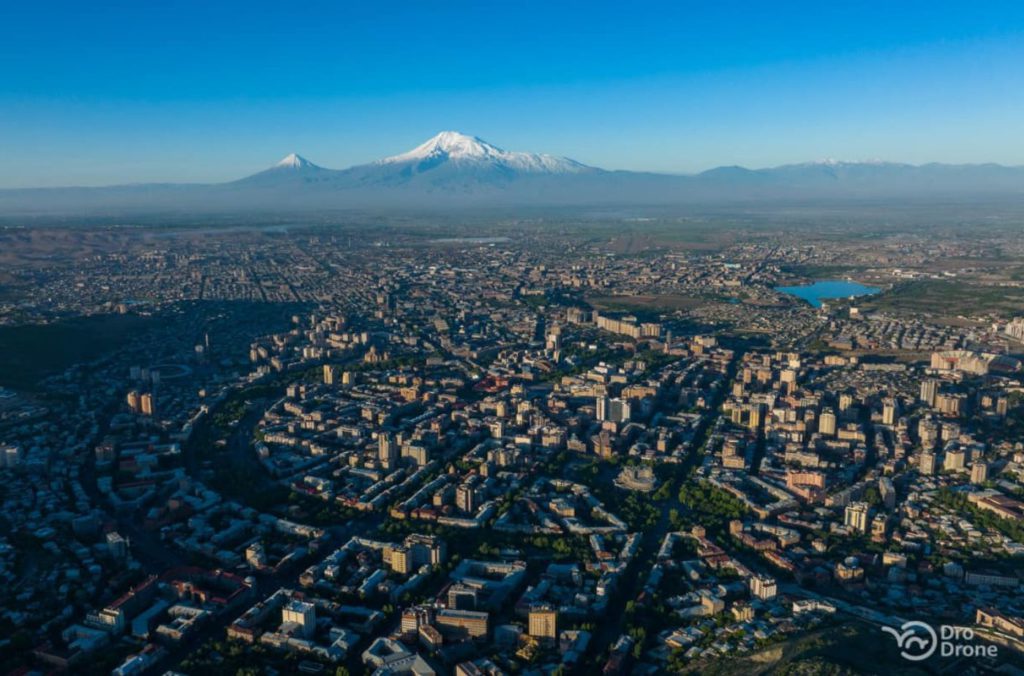
Aragats: A Feeling of Grandeur
They say that if you want something you have never had before, you must do something you have never done before.
Among my plans for the year, climbing Mount Aragats is written in bold letters. It is one of my goals — to conquer this summit. There are many hiking tours to Aragats; all that remains is to choose a professional group.
There are many legends connected with the mountain. I will share one of them, and the others after climbing it.
It is said that long ago the mountains of Armenia were mighty and gigantic brothers. Every morning, they would wake up early, first tie their belts, and only then greet each other. Time passed. The brothers grew old, and one day, after waking up, they forgot to tie their belts and greeted each other without them.
God became angry and punished the brothers. They turned into stone and became mountains; their belts became green fields, and the tears of the petrified brothers became eternal springs.
Among these giants, Aragats is the fourth largest, after Ararat, Sebelan, and Sipan.
Smbataberd and Tsaghats Kar Monastery: Hiking
One of Armenia’s natural and historical treasures is Smbataberd. It is one of the most powerful structures built by humans. “The Armenian Great Wall of China” — this is how visitors often describe it at first sight.
Seeing it is definitely a must. It is said that this fortress was built by Prince Smbat of Syunik, which is why local residents named it Smbat’s Fortress. It is likely that it existed even before the 5th century.
As part of a hiking route, you can also visit Tsaghats Kar Monastery, located 2 kilometers west of the fortress.
Khndzoresk: Swinging Bridge
Excitement, admiration, fear, and amazement — the feelings of people standing on the “Swinging” Bridge are diverse and never repeated.
Built over several months, the bridge is 160 meters long and 63 meters high. Today, it is known among tourists as the Khndzoresk “Swinging” Bridge, connecting two parts of the village — from Old Khndzoresk to the grave of Mkhitar Sparapet.
Preserving the historical atmosphere of the village and the untouched beauty of nature, it makes visiting Syunik Province even more attractive for travelers.
The author of the “Swinging” Bridge is Uncle Zhora, who dedicated the structure to the memory of his parents. Uncle Zhora loves sitting on a chair next to the bridge. Visitors walk past him toward the bridge, while he sits and watches.
More than seven years have passed since the opening of the bridge, but he is still emotional. He never imagined that his initiative would become known around the world.
Many tourists admire the caves of Old Khndzoresk and wonder how far human imagination could reach.
Devil’s Bridge
In ancient times, local residents, unable to explain geological processes, believed it was the work of the devil, and therefore named it the “Devil’s Bridge.”
Natural bridges are among the most astonishing monuments created by nature over centuries. Limestone deposits accumulated and formed this powerful stone arch, from whose edges hang stalactites created by mineral springs.
Beneath the natural bridge, beautiful waterfalls flow from rocky openings, while the roaring Vorotan River runs through the deep canyon below.
For centuries, mineral water deposits have formed here, firmly connecting the two sides of the deep gorge. Local people have also used these waters for treating various illnesses.
Share your favorite place in the comments. Perhaps my next journey will be in that direction 🙂