Armenia’s Rich Historical Layers in One Museum
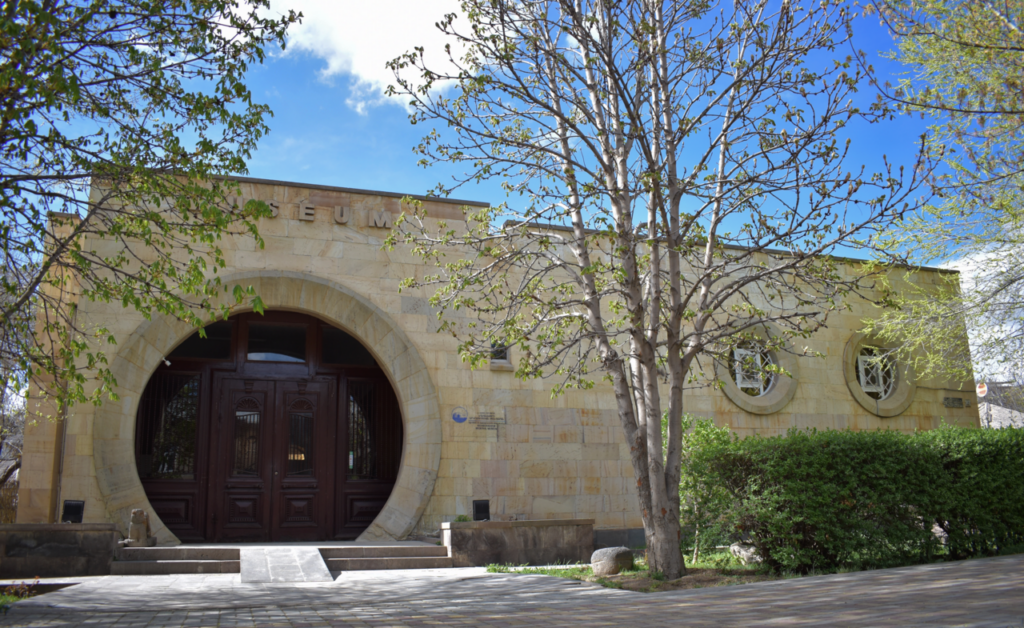
By visiting the Yeghegnadzor Museum of Local Lore, you will see remarkable archaeological materials from different historical periods discovered in the territory of Vayots Dzor Province, as well as a number of unique exhibits. The museum’s archaeological collection is of great importance not only for the study of the province, but also for the study of the history of Armenia.
Let me tell you what you will miss if you are in Yeghegnadzor but do not visit the museum:
You will not know about the mysterious history of Moz, one of the most enigmatic historical cities of Vayots Dzor. Located on the Silk Road, the city had a population of between 7,000 and 10,000. Unfortunately, in 735, an earthquake — and, according to some claims, a volcanic eruption — destroyed the city. Archaeological excavations have uncovered finds that reveal that it was a highly developed city.
You will not know that the pottery found in Moz is unique for its black color, which was achieved through a special technique. The ornaments on the vessels symbolize the sun, and what is interesting is that this ornament has remained alive in our culture for thousands of years. Today, it can be found across all branches of applied art.
You will not know that the city of Moz can still be seen today on the left side of the road from Yeghegnadzor to Vayk. Unfortunately, today the site of the city is a large open plain, while the rich pottery discovered there bears witness to its prosperous life.
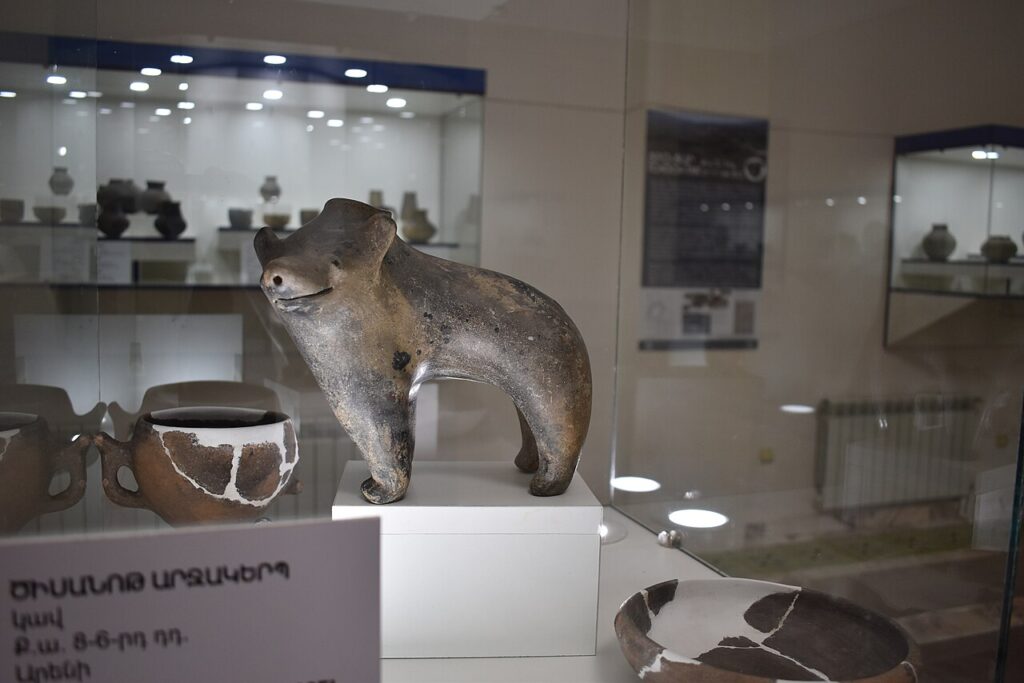
You will not know about the religious and cosmological beliefs of our ancestors. The ornaments found on the vessels symbolize water and the sun. Specialists argue that the circular rings on the vessels represent ancient ideas about celestial bodies. You can also see images of mythical birds and animals, which likewise tell us about the religious beliefs of the time.
You will not know about the Joch Tարի burial ground, which is also located in the city of Yeghegnadzor. Numerous objects were discovered here as well. There are armlets worn by warriors on their arms, which often symbolized the position they held within their clan and society. It should be noted that these, too, are ornaments dating from the 2nd to the 1st millennium BC.
You will not know why people wore ornaments at all. While today jewelry is worn based on aesthetic preferences, in ancient times every ornament had its own role and significance. Not everyone could wear the same type of ornament, as these objects also indicated social status and power. There are ornaments made of natural stones and a unique viscous material; to this day, archaeologists have not been able to determine the composition of this viscous substance.
You will not know that some of the most famous evidence of the Kingdom of Van has been found in Vayots Dzor. There is a Urartian belt, made with an extremely delicate technique that would be difficult even for craftsmen today to reproduce as a handmade work.
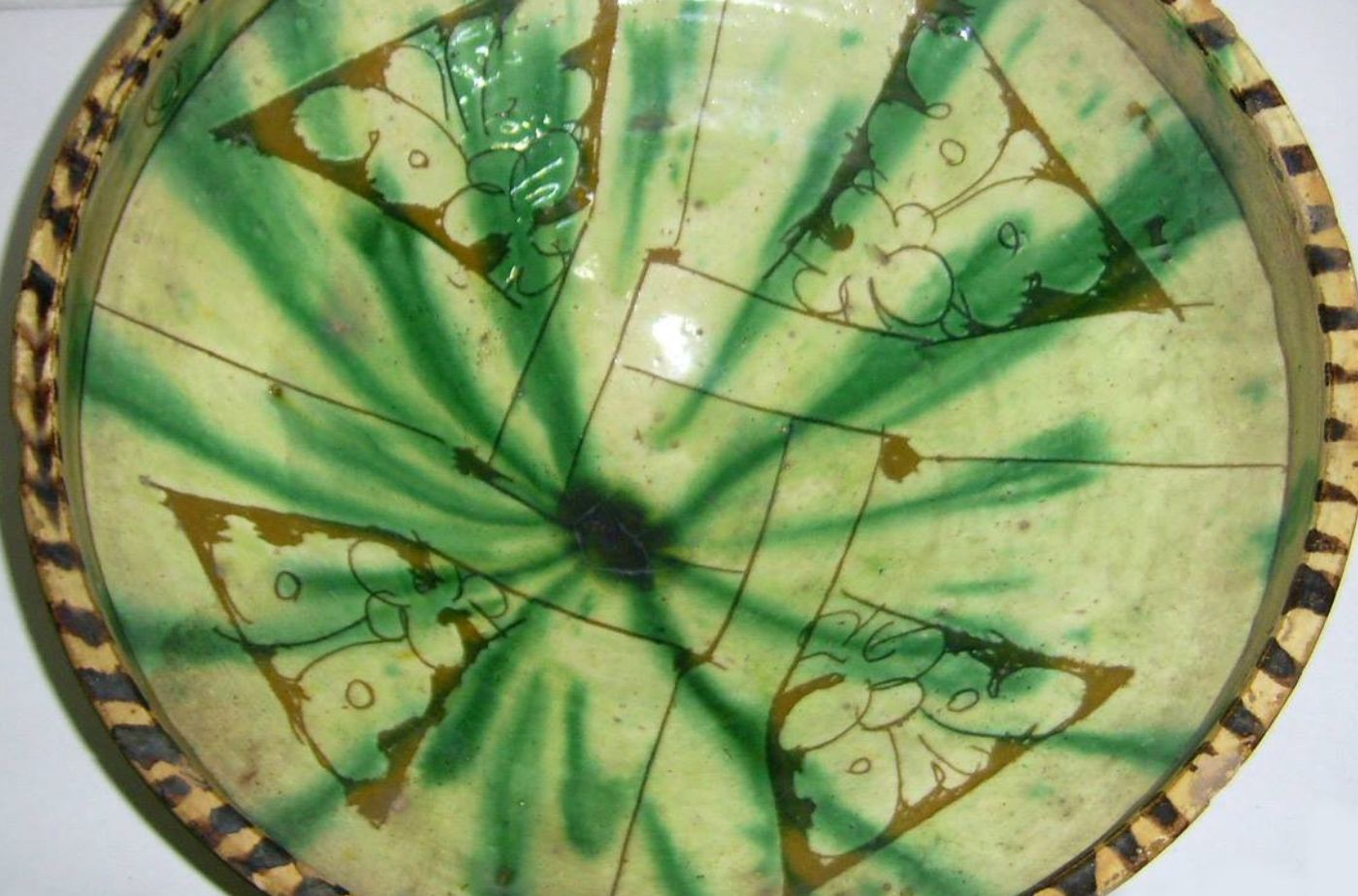
You will not know about the Yeghegis princely collection. It is unique of its kind because it was discovered intact, without damage. This type of vessel was taken out of Armenia along the Silk Road and was highly valued around the world.
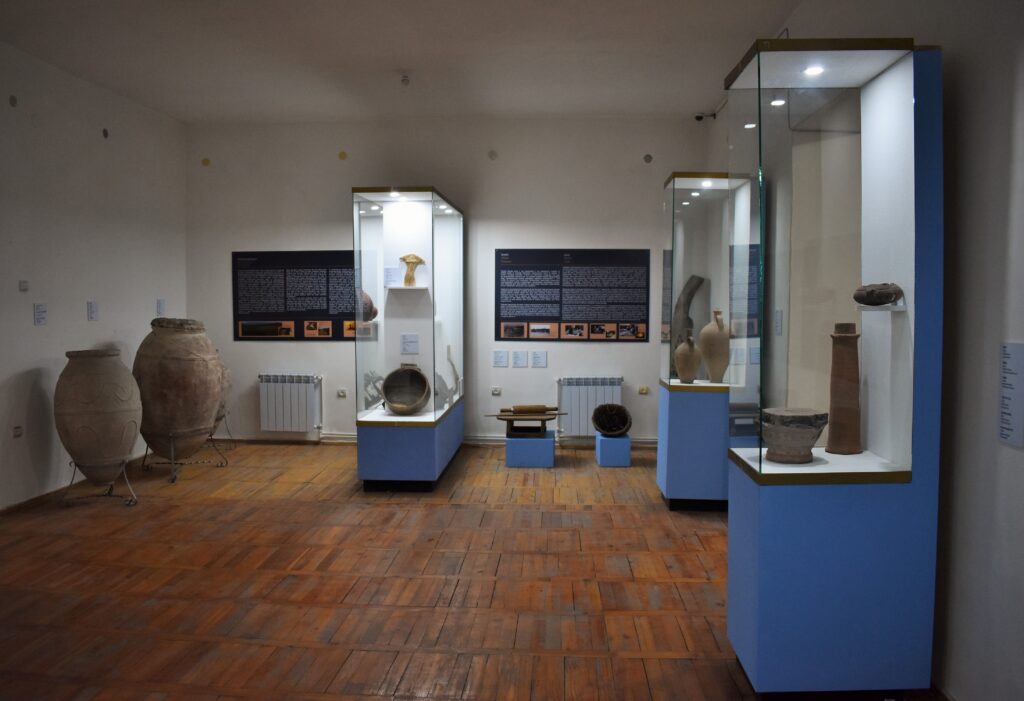
You will not know that Vayots Dzor is considered today one of the most important and oldest cradles of winemaking in the world. Here, side by side, you can see wine vessels dating from three different periods: antiquity, the Middle Ages, and the modern era, with jugs dating from the 19th–20th centuries.
You will not know about the clay bear-shaped ritual vessel dating to the 1st millennium BC. Ritual vessels depicting different animals were common in our culture; numerous similar finds have been discovered in the shapes of horses and deer. The little bear is unique, close to the natural form, and appears to be smiling. Wine was poured in through its back and flowed out through its nose. Sacred rituals and ceremonies were performed using this vessel. The bear symbolized courage, strength, and masculinity.
After all this, I think you should definitely visit this museum. And if you have already visited, share your impressions in the comments.
More than nine thousand museum exhibits through which you can discover the rich historical layers of Armenia.