A Weekend in Vayots Dzor Province: Your Share of the Experience
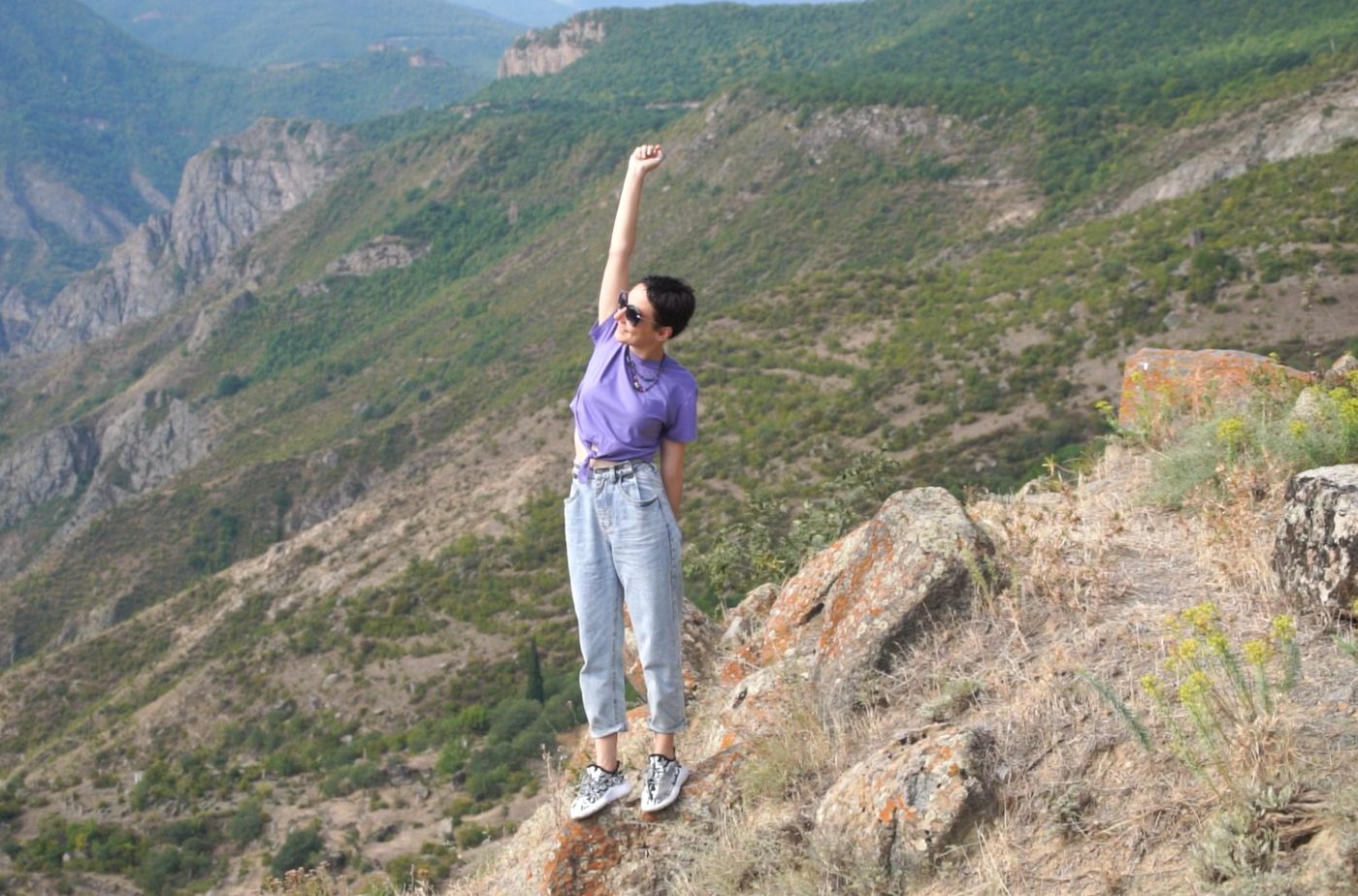
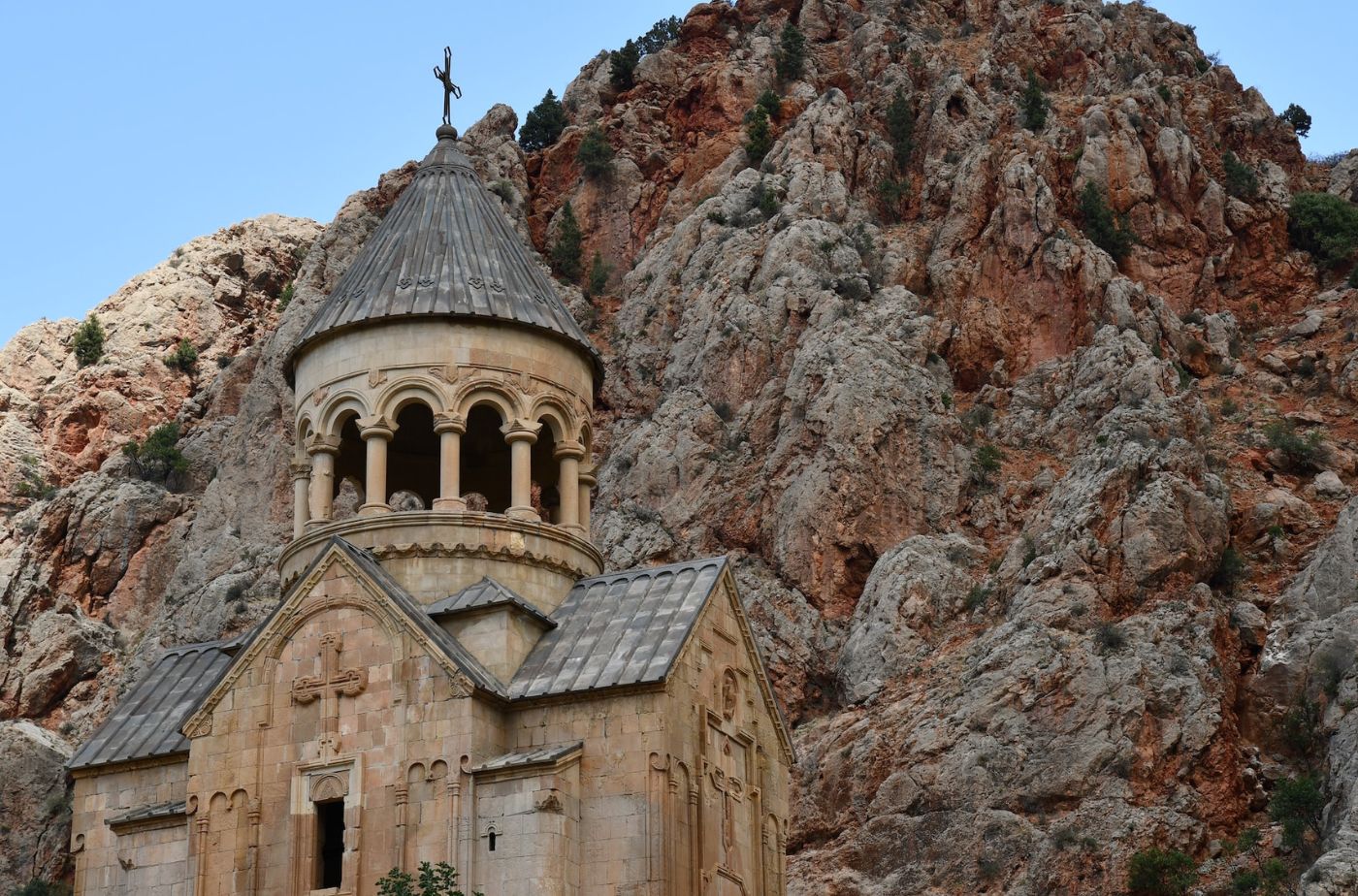
The highway looks like a thin, light ribbon against the backdrop of the mountains. All the remaining space as far as the eye can see is occupied by enormous mountains, slopes, and peaks, while above everything there is only the sky.
The mountains closer to the road do not have sharp peaks; they are rounded, almost oval-shaped. They are densely covered with forests. From a distance, it may seem as if these are the thick backs of giant spotted bears, with green fur.
DISCOVER
DAY ONE
Once again, my destination is Vayots Dzor. This time, a Weekend trip awaits, including a visit to the Yeghegnadzor Regional Museum.
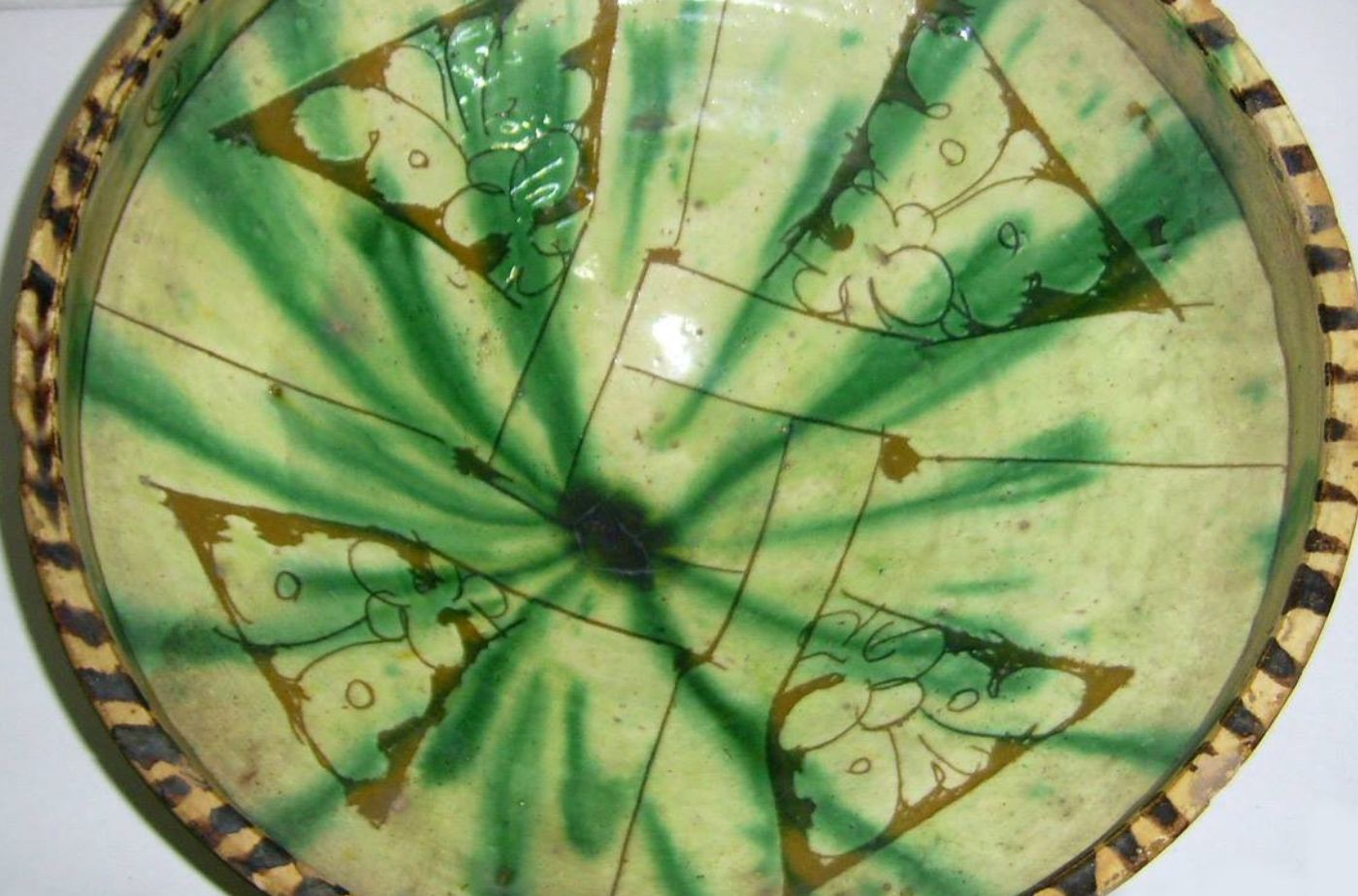
I have mentioned before that when visiting the Yeghegnadzor Regional Museum, you will see remarkable archaeological materials from different historical periods discovered in the territory of Vayots Dzor Province, as well as a number of unique exhibits. The museum’s archaeological collection is of great importance not only for studying the history of the region but also for understanding the history of Armenia as a whole.
By the way, another highlight has been added to the places I previously mentioned — a new permanent exhibition titled “At the Crossroads of Art and Science: Vardpet Momik and the Art of Khachkars.”
YEGHEGNADZOR REGIONAL MUSEUM
Tel. +374 98 05 25 52 Karen Azatyan
Facebook: @museum68
WHAT TO EXPECT
OLD MARTIROS GUESTHOUSE
Tel. +37494 52 00 69, Hamlet Yeghiazaryan
Facebook: @oldmartiros
We move to the Old Martiros Guesthouse in the village of Old Martiros, where Mrs. Gohar and her husband Hamlet will warmly welcome you inside, offer tea collected from the mountains, and serve homemade dried fruits.
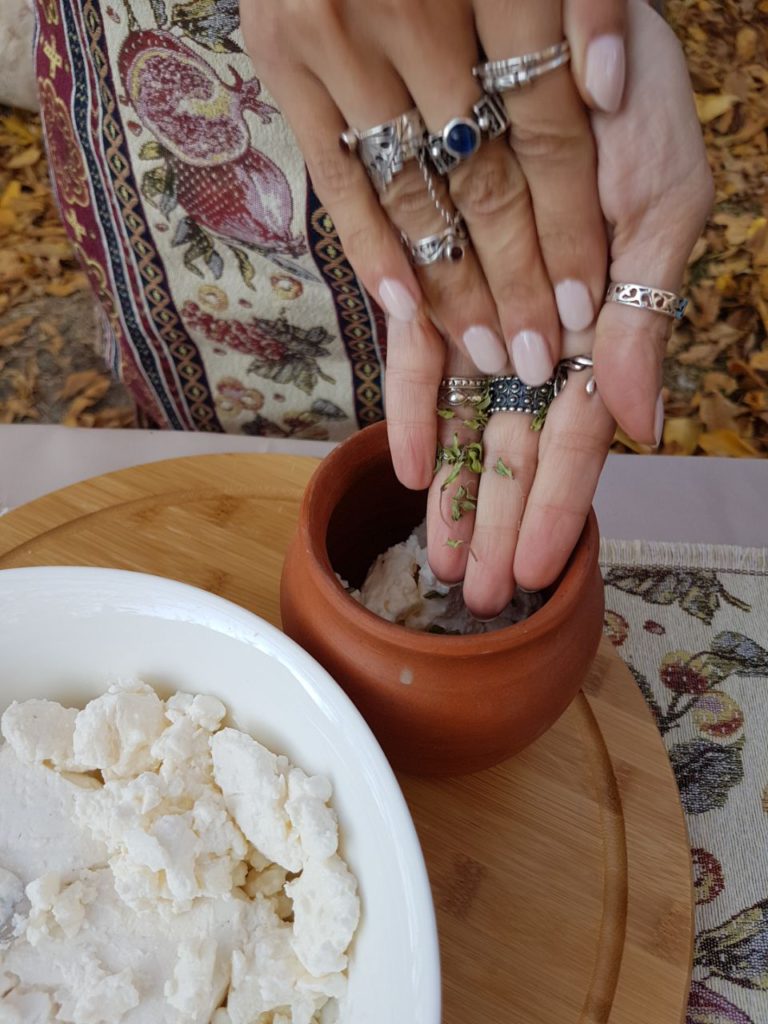
Mrs. Gohar will tell you about the benefits of various plant species. You can go together to collect wild herbs, or, like me, prepare horats panir (buried cheese). For this, you take a clay pot, cheese, spices, and pepper, and get started.
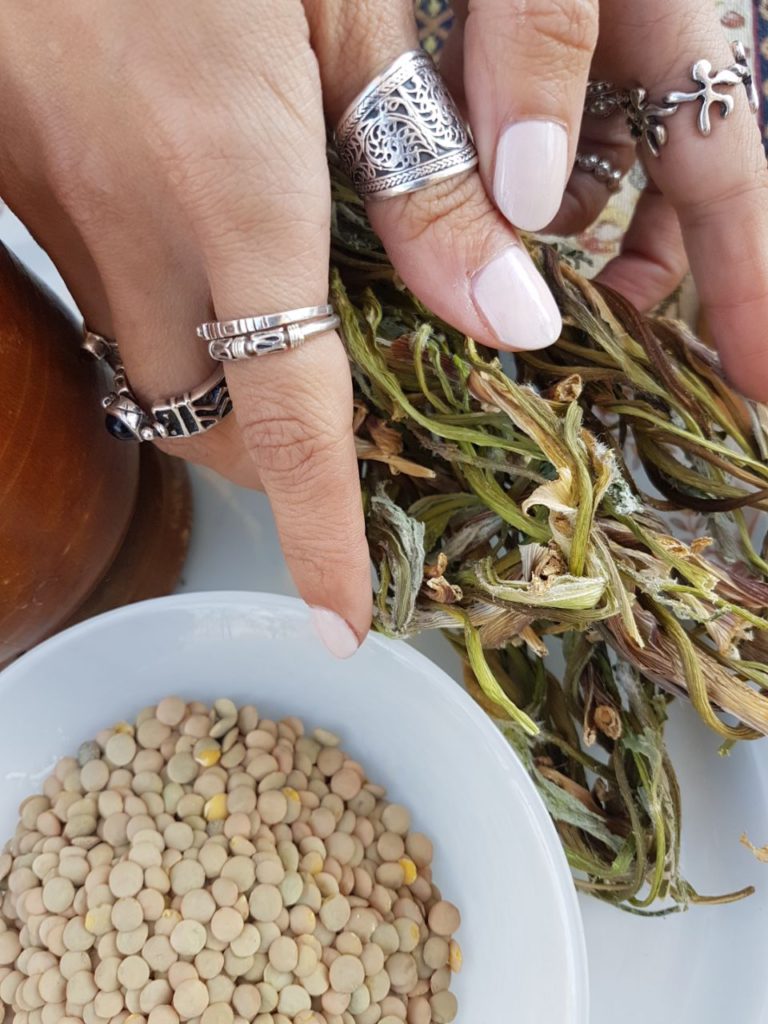
The discovery of the day is karshm — a dried wild plant characteristic only of the Vayots Dzor region. The result is a delicious hot soup. Karshm soup is a traditional ceremonial dish, and I highly recommend trying it.
Mrs. Gohar’s goal is to revive the rich culinary traditions of Vayots Dzor.
Before we prepared the buried cheese, Mrs. Gohar’s husband told us that Martiros is one of the few villages in Vayots Dzor, and in Armenia as a whole, whose exact date of foundation and the names of its founders have been preserved. This important information is recorded on a beautifully carved khachkar, more than three meters high, made of pink granite and erected in 1283 near the large village spring. The inscription reads:
“I, Mkhitar, son of Deghik, by the order of Prince of Princes Prosh and his son Hasan, built the village of Martiros in 1283 and erected this khachkar in front of the door of the holy sanctuary, for the intercession of my wife Mamjri, my son Gharib Shah, and my daughter Ruzakan. Those who read this, remember us. Built by the hand of Shnorhavor.”
Historical evidence shows that Martiros was not built by Prince Prosh in an uninhabited place, but rather was a reconstruction of an already existing village that had its own residents.
WHAT TO DO
DAY TWO
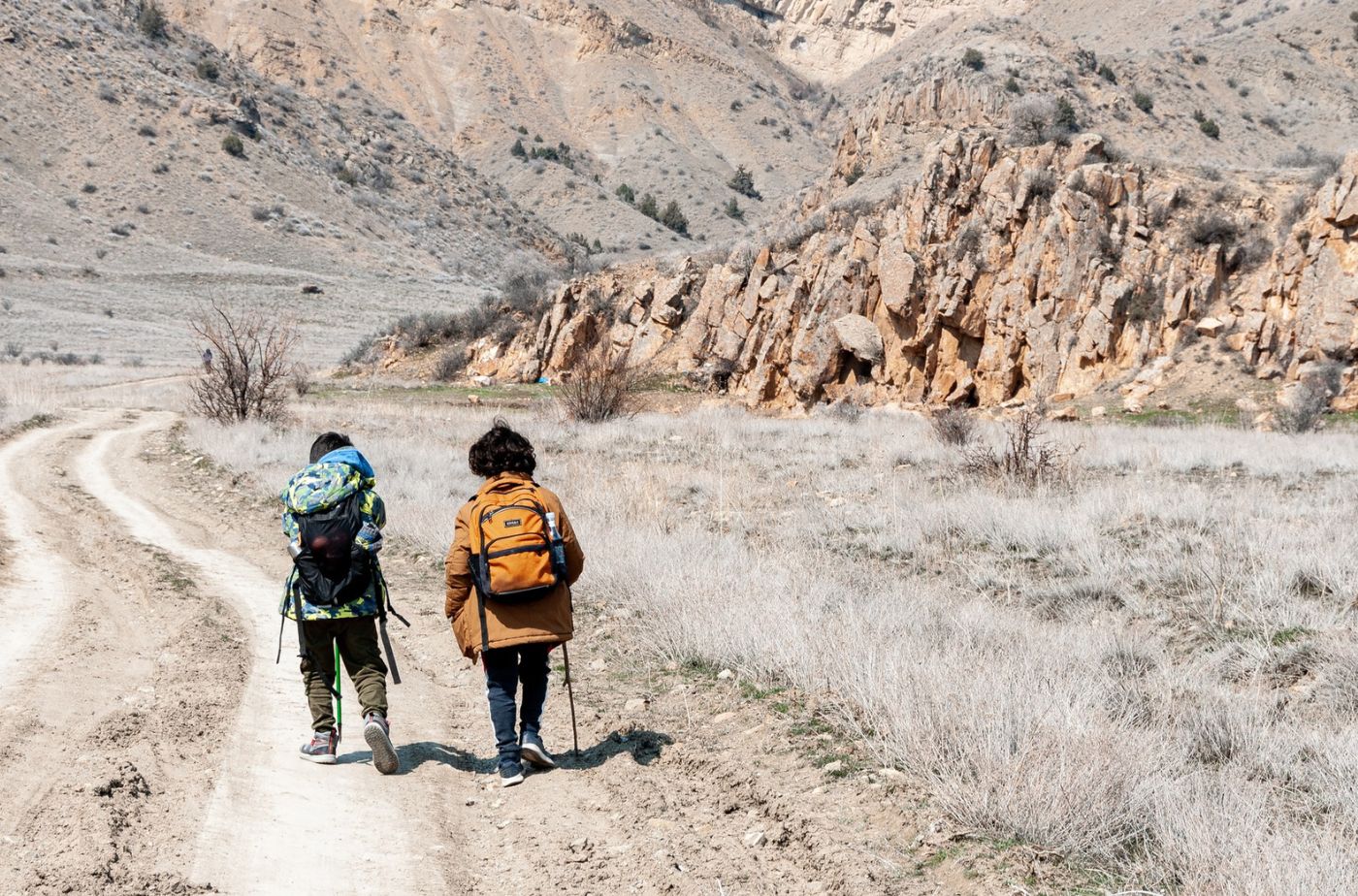
A morning hike to Smbataberd, but this time from Artabuynk village.
We start from the house built by Vardan and Karen’s grandfather. The brothers have transformed it into a guesthouse called Legend. Here I learned that Smbataberd is one of the oldest, most impregnable, and largest fortresses of Vayots Dzor and, more broadly, Syunik. It is likely that it existed even before the 5th century.
Historical records have been preserved about a bloody battle between Armenians and Persians that took place near the fortress in the 5th century. When the Syunik princes of the Vasakyan dynasty made Yeghegis their political center, they most likely used this very fortress as a military stronghold.
During the period of the Orbelyans, Smbataberd was further strengthened. The true original name of the fortress is not precisely known. Traditionally, locals call it Smbataberd, perhaps because one of the crowned Orbelyan knights, King Smbat, is buried in nearby Yeghegis village-town. He may have rebuilt the fortress, though it is more likely that it was named after Syunik’s Prince Smbat, who lived in the 10th century.
And after the hike, I was looking forward to making traditional gata. Tempting, isn’t it? So pack your things and head toward Vayots Dzor.
LEGEND GUESTHOUSE
Tel. +374 93 66 82 83, Karen Karamyan
Facebook: @Smbatabert
This article was created within the framework of the “My Armenia” program, funded by the United States Agency for International Development (USAID) and implemented by the Smithsonian Institution. The content of this article is solely the responsibility of the authors and does not necessarily reflect the views of USAID, the Smithsonian Institution, or the United States Government.