The Church Beneath the Waters of Tolors Reservoir

Natural floods and humanity’s desire to create reservoirs have caused many towns to disappear. The buildings of flooded settlements have become part of the reservoir floor, yet above the water there are still traces proving that a village once stood here.
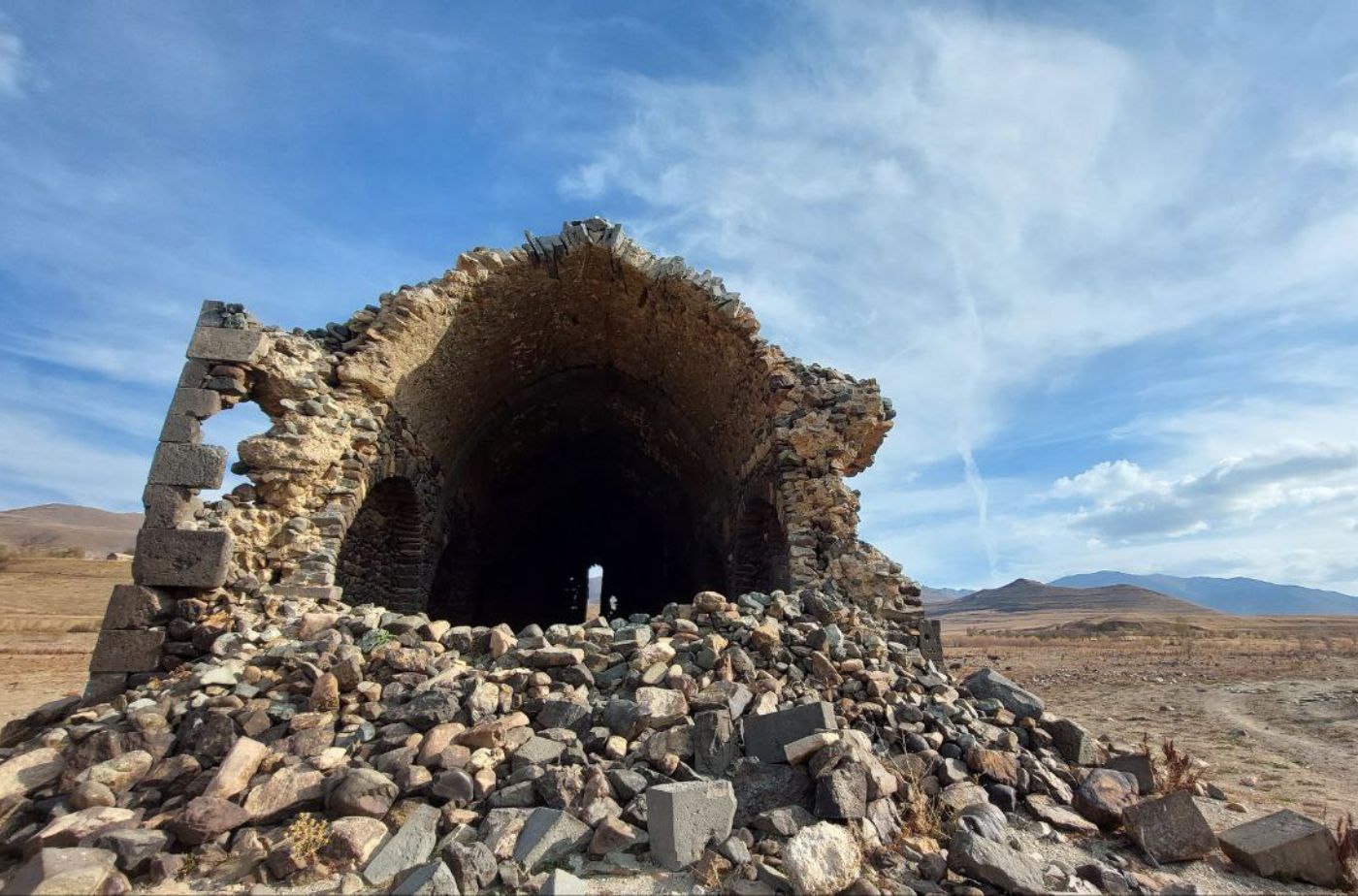
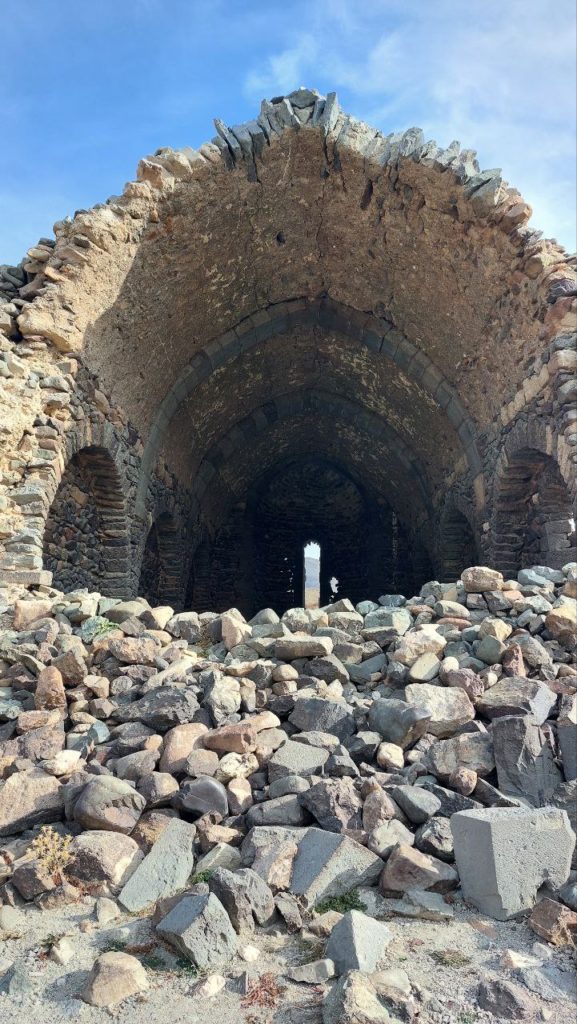
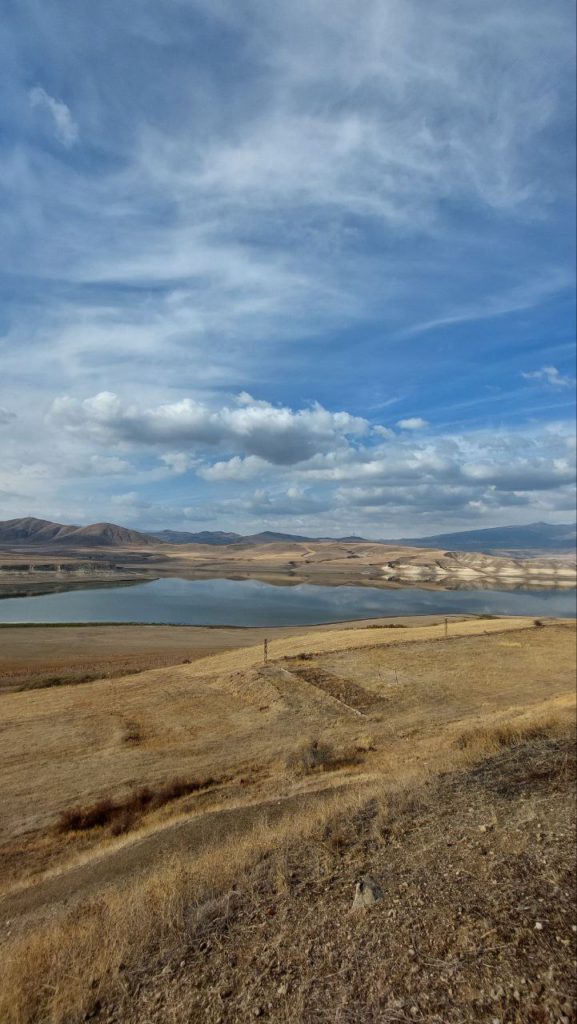
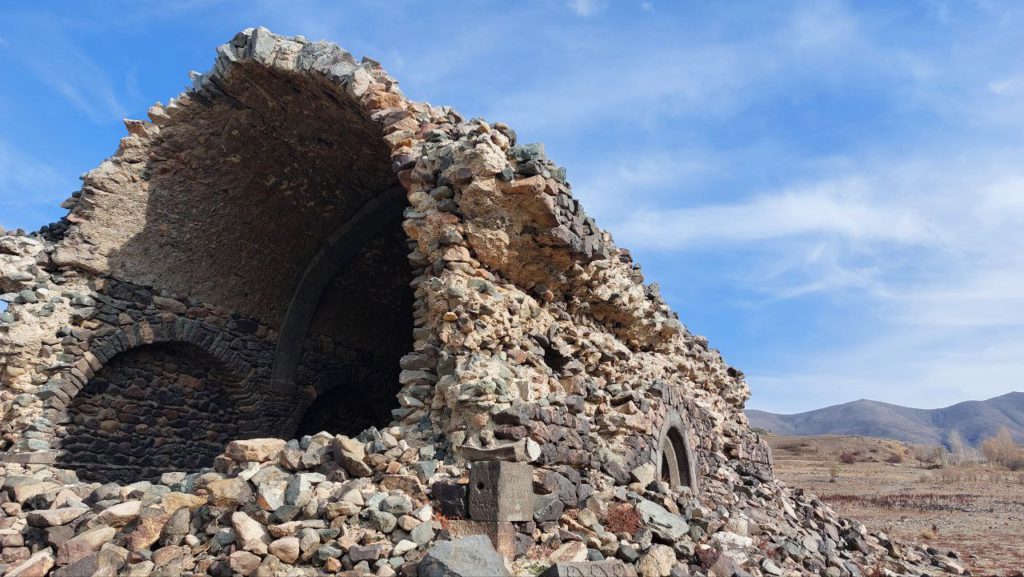
Church columns can still be seen rising above the water. This time, we begin our hike in Sisian and walk three kilometres south. We reach Tolors Reservoir. By the way, if you look at it from different elevations, you will notice that it is heart-shaped. The hiking trail runs alongside the reservoir, and the church emerging from the water is a reminder of the area’s former history.
The old village of Tolors was submerged beneath the Tolors Reservoir due to the construction of the hydroelectric facilities of the Vorotan Cascade. The present-day village of Tolors is located on the shore of the reservoir.
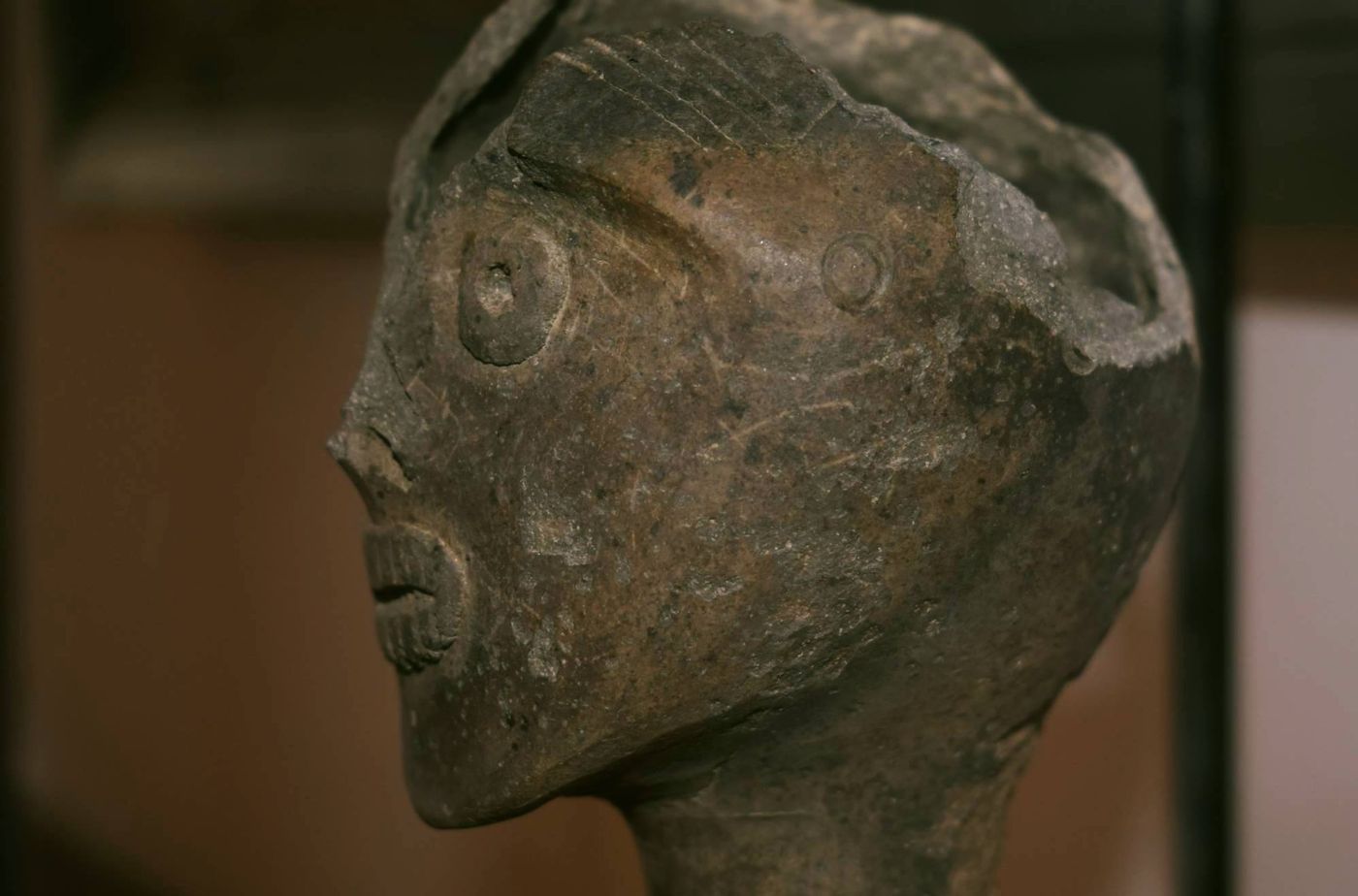
Since the 1970s, the old village of Tolors has remained beneath the reservoir. Archaeologists discovered Late Bronze Age and Early Iron Age burial sites there, filled with all kinds of gold jewellery and bronze figurines. The village was home to the Church of Saint Hripsime, built in 1861, which is now partially submerged beneath the waters of the reservoir.
Every year, the reservoir fills with water and covers the church. It is possible to approach it by boat, while at the end of summer the water level drops enough for visitors to walk into the church on foot.
For more than half a century, this church has stood in the waters of Tolors Reservoir. Local residents say that whenever the reservoir rises above its usual level and the church is submerged all the way to its dome, torrential hailstorms begin, destroying the entire harvest. It is believed that this is God’s punishment for neglecting the holy site. Unfortunately, repeated flooding has caused the church to deteriorate significantly.
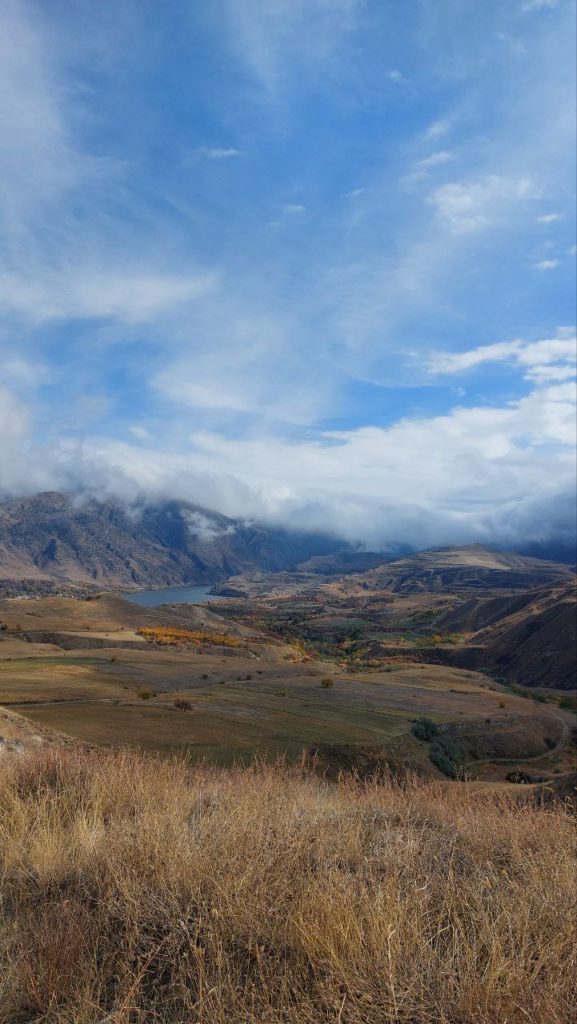
The next stop, where the hike comes to an end, is Shamb Reservoir. The nature here is truly unique. During the hike, I was told that the ancient village of Shamb is mentioned in the 966 inscription of Maghardavank during the reign of King Ashot III Bagratuni, and later in the 1315 inscriptions of Vorotnavank.
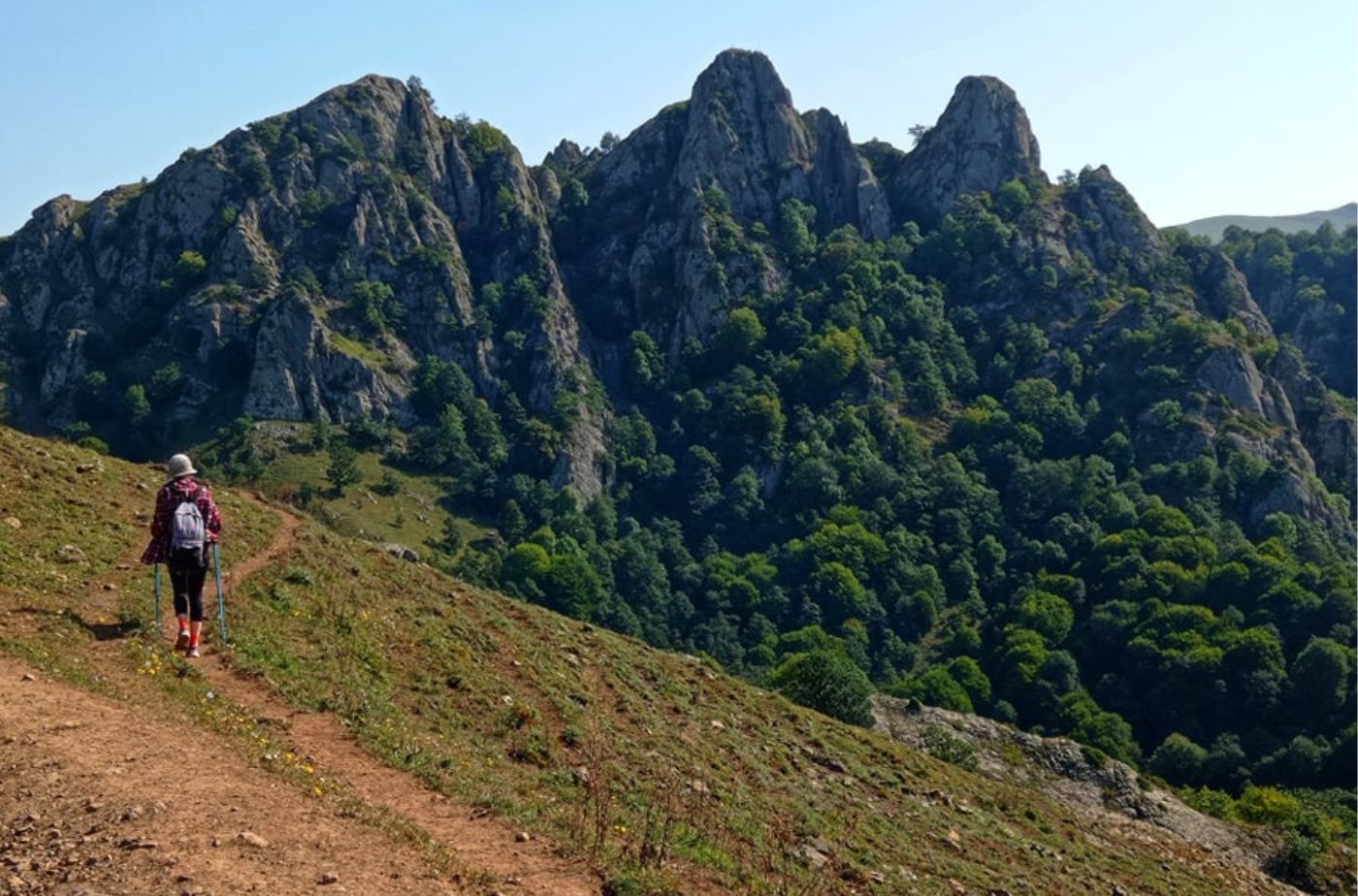
The nature of Syunik is unique and unlike anywhere else. During this hike, you will walk through new landscapes filled with abundant water. Along the way, stop for a moment and admire the breathtaking scenery.
To arrange the hike, contact Basen Tours.

Յուրաքանչյուր օր, ժամը 10-ից սրճարանը բաց է։ Հյուրերը գա