Kachaghakaberd: A Tale of the Fortress
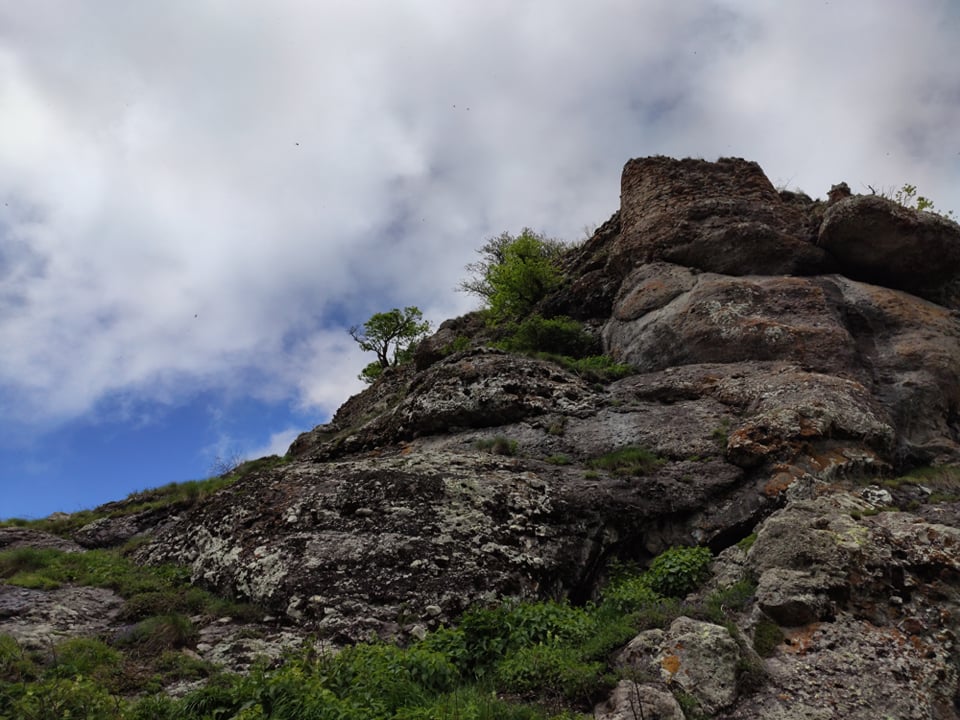
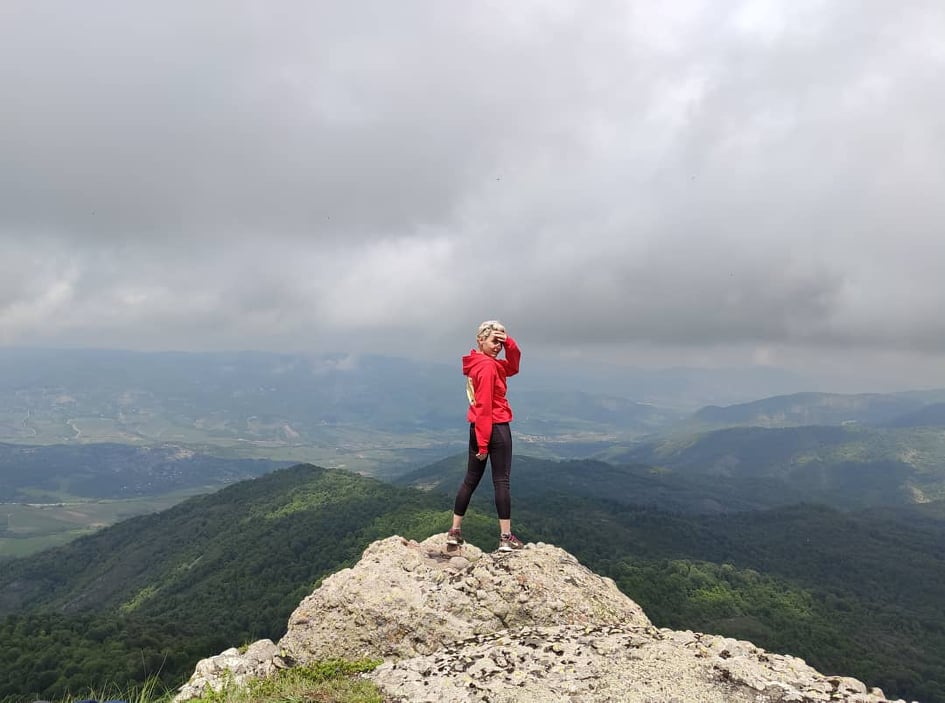

Years ago, I had a book about Artsakh in my hands, and I paid particular attention to Kachaghakaberd. Both its history and the nature surrounding the fortress were captivating. I developed an irresistible desire to come here and experience for myself the view opening up from the fortress.
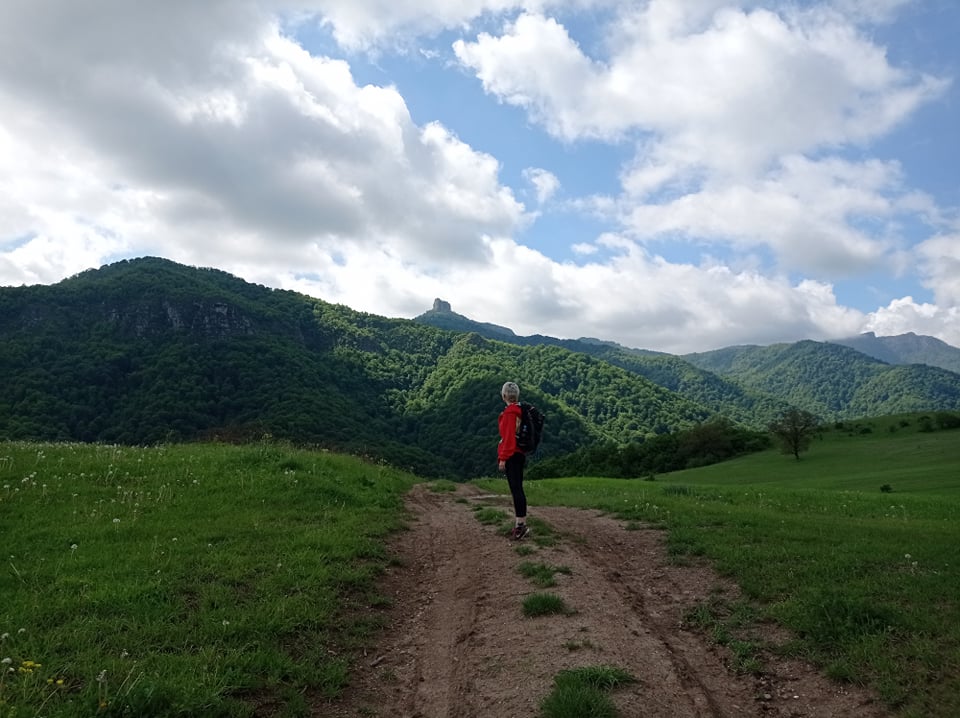
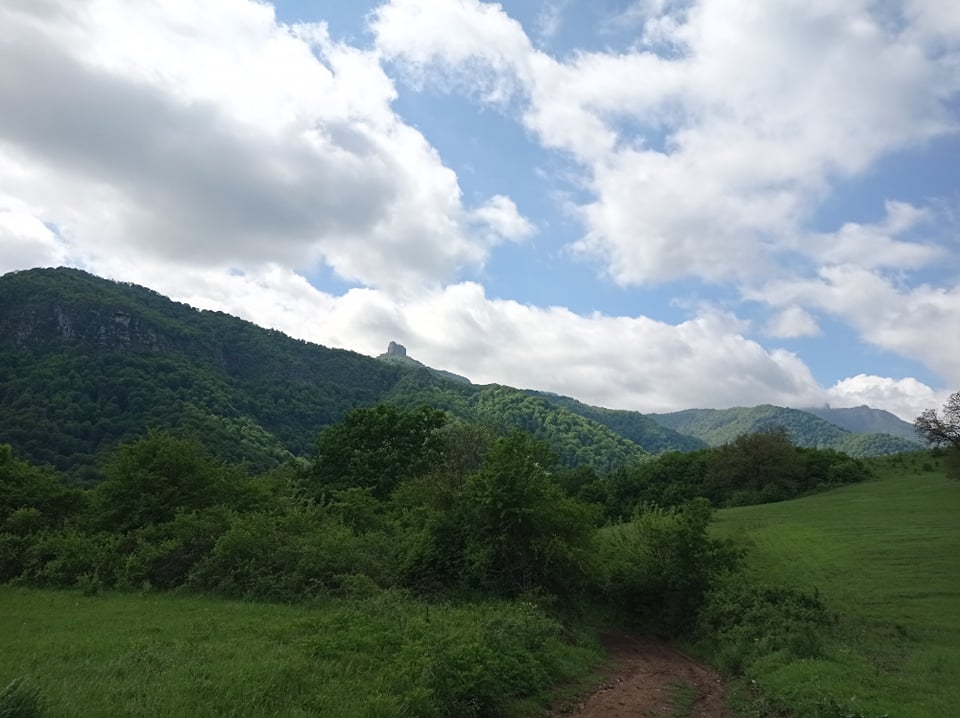
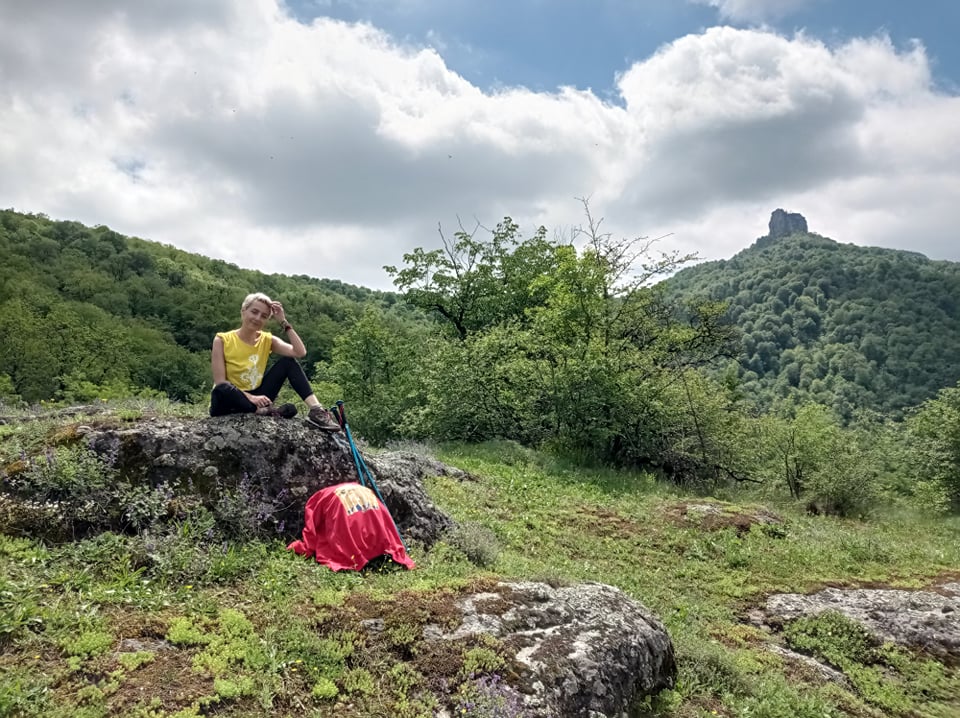
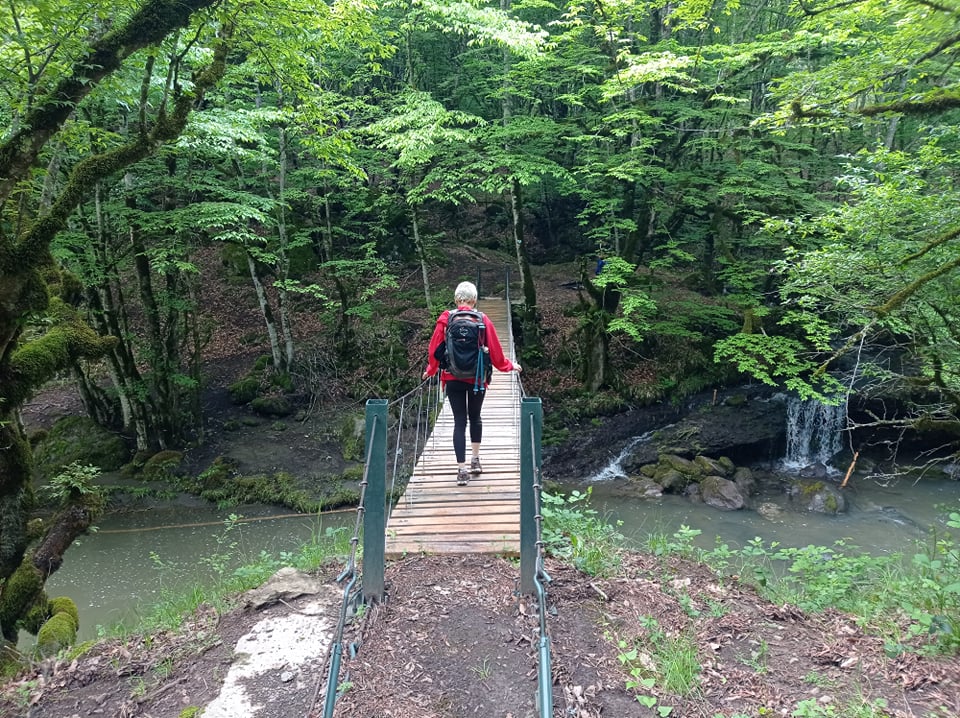
I am in the village of Kolatak in the Martakert region of Artsakh, from where the journey to Kachaghakaberd begins. By the way, the mountain peak on which the fortress stands is recognizable from dozens of kilometers away. To simply say that the local nature is beautiful would mean saying nothing at all. On a high, forest-covered hill, it is impossible not to notice the sharply rising peak of a mountain. The lush nature will transport you into a world of magic, and you will begin to imagine the existence of benevolent air spirits living in the forest. You open a door, cross the threshold, and find yourself in a wonderful magical world, a place where plants and birds are alive, and every corner can transform into a fairy tale in an instant.
There is still a long way to go before reaching Kachaghakaberd. Looking at the fortress, you realize that it is not we who are crazy, but the world, which through the passage of time has subjected everything to tremendous changes. That is why life in the past and modern life today differ so drastically from one another.
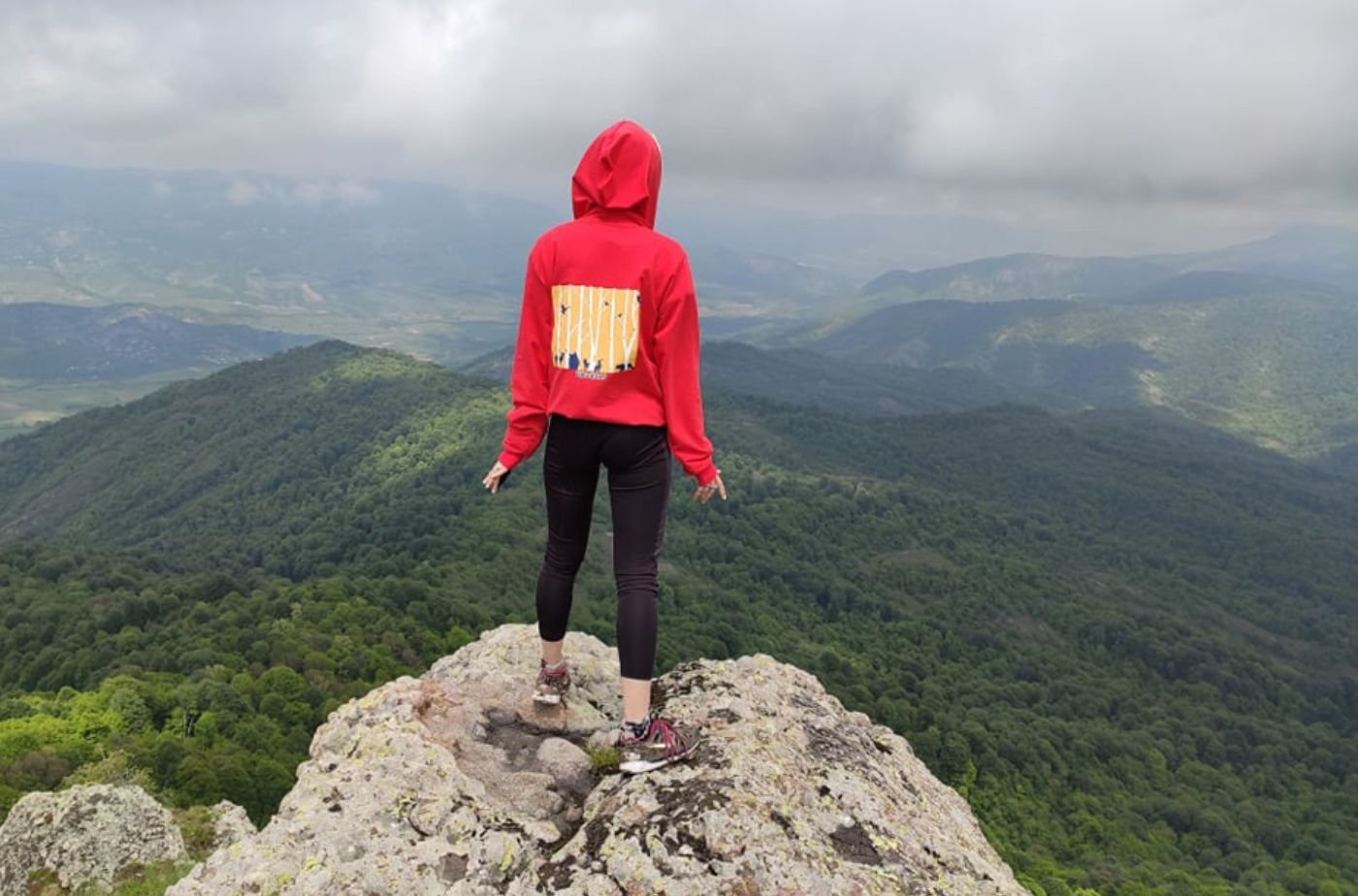
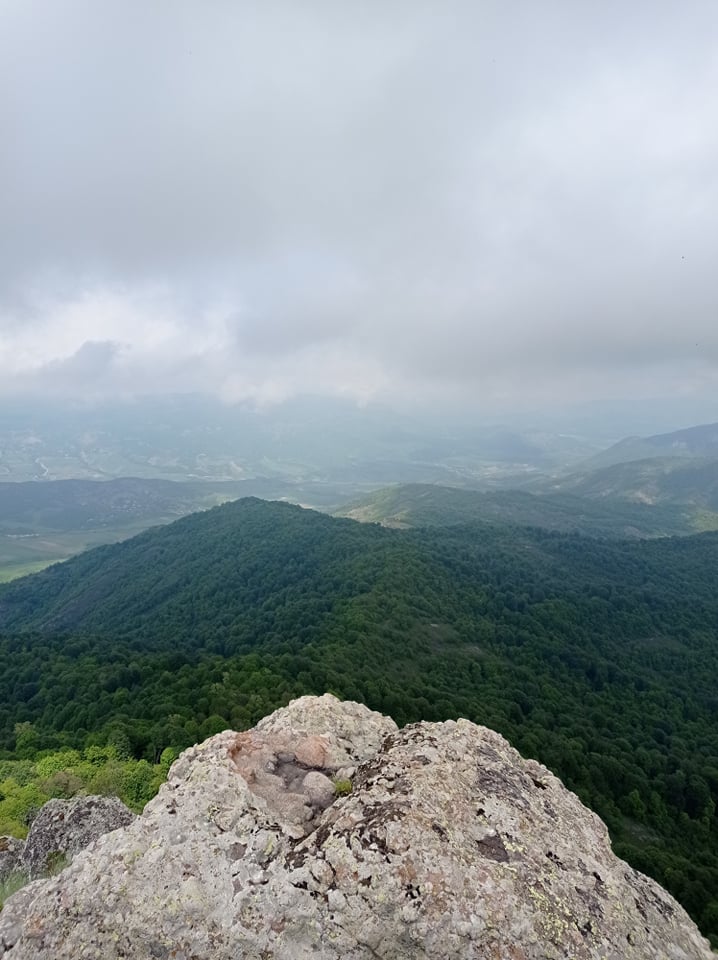
The area occupied by the fortress may look small from a distance, but in reality it is quite large. The fortress grounds are fairly extensive. To this day, some of the fortress halls, secret entrances and storage rooms carved into the rocks, as well as embrasures from which stones were hurled at enemies, have been preserved. The problem of securing drinking water had a unique solution: two wells had been dug in the center of the fortress, where rainwater and melting snow were collected. From the rock where Kachaghakaberd stands, a magnificent view opens toward the forested mountains and the Tartar River flowing below.
Kachaghakaberd protected the inhabitants of the surrounding villages many times. According to Movses Kaghankatvatsi, in the 9th century, a princess named Spram, after losing her husband, “acquired the courage of a man and, taking her surviving daughter with her, overcoming a long nighttime journey, sought refuge in the fortress of Khachen.” Thanks to its dominant position and absolute inaccessibility, it was possible to defend oneself in the fortress even without weapons. It is no coincidence that the people called the fortress “Kachaghakaberd,” meaning “Magpie Fortress,” because only magpies could reach it. Local residents know the fortress as “Sghsghan,” because there have been many cases when people slipped from the mountain peak without reaching the walls.
History has also preserved another origin story for the fortress’s name. An invader besieges Kachaghakaberd. When he sees that the fortress is impregnable, he naturally abandons the idea of capturing it by attack. He decides to wait until those under siege surrender voluntarily. Several months pass. The invader was convinced that the food supplies in the fortress had long been exhausted, but, to his surprise, no one came out of the fortress. And just as the order to retreat is about to be given, a strange phenomenon catches the invader’s attention… There are many magpies in the area, and they can often be seen flying near the fortress.
However, early that morning, an unusually large number of magpies appeared on the summit. Seeing this, the invader sent several soldiers to the fortress, who entered it with great difficulty. At their presence, the magpies scattered, and beneath the birds lay the dead. Having taken refuge in the fortress and defending it at the same time, the Armenians had died of starvation but had not surrendered. Thus, the magpies informed the enemy that there were no longer any living defenders on the summit, and the invader took the almost abandoned fortress without resistance.
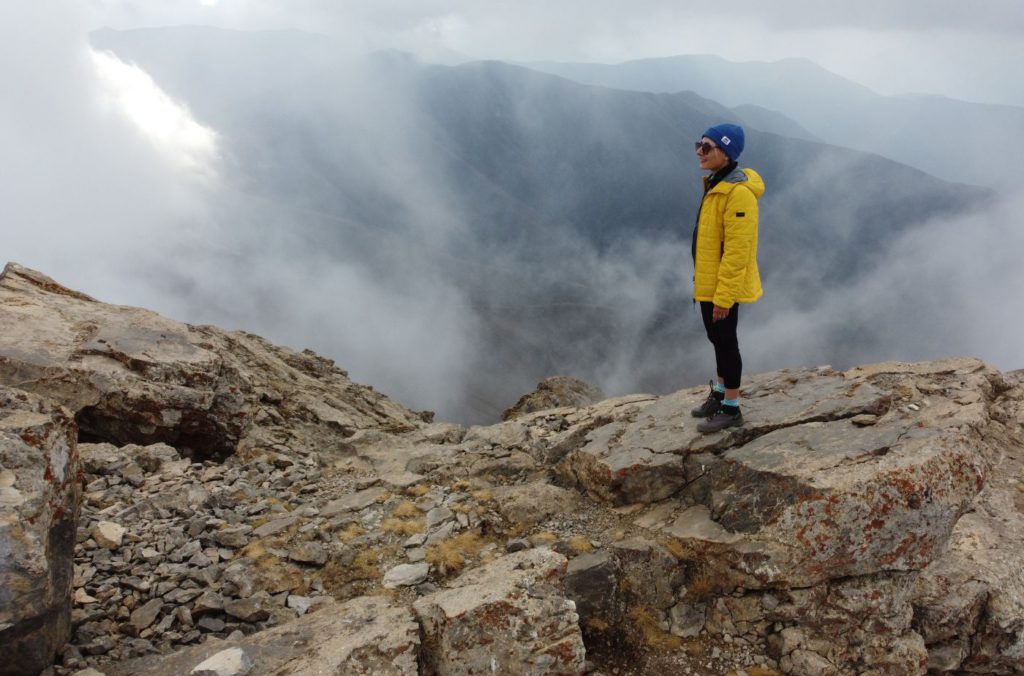
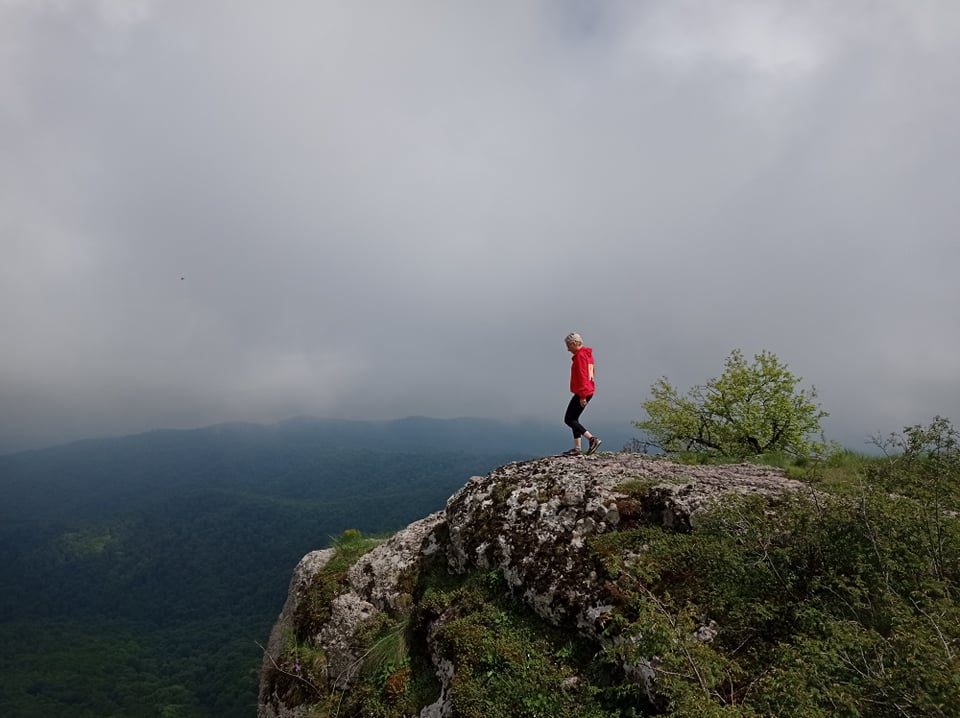
For many years, when people looked toward the summit, they remembered the animals that had once betrayed the fortress. The fortress remained in the people’s memory under the name of the magpies. To reach the fortress, we climbed up the rocks. The power of nature is the most fascinating and powerful thing. In a very short period of time, it can replace the negative energy accumulated within you with positive energy.
I would rate the hike as moderately difficult, perhaps even difficult. After the challenges we encountered along the way, we decided to stay at the top for an hour. I have said many times that hiking allows you to get to know yourself, and I discovered something: the course of my thoughts had changed, and I had freed myself from negative thoughts. The majestic view of nature had invigorated me and healed me from discouraging thoughts.
I returned to Stepanakert and am preparing to spend the night at the “Europe Artsakh” Hotel, which I will tell you about in the next article.
It is only while traveling through Artsakh that I understand this. Each of us has been through terrible things, but the important thing is not to break. You have to try again. Of course, the fear is great; you may think that you will fail again and experience the same suffering. But if we do not believe that the future will be a little better than the present, if we do not hope that our lives will improve in some way, then we will die spiritually. And to keep from losing this hope, all we need to do is spend more time close to the nature of the Armenian Highlands.
Route: Kolatak village–Kachaghakaberd
Length: 18 km
Difficulty: Moderate