Ughtasar: Towards the Beginning of Civilization
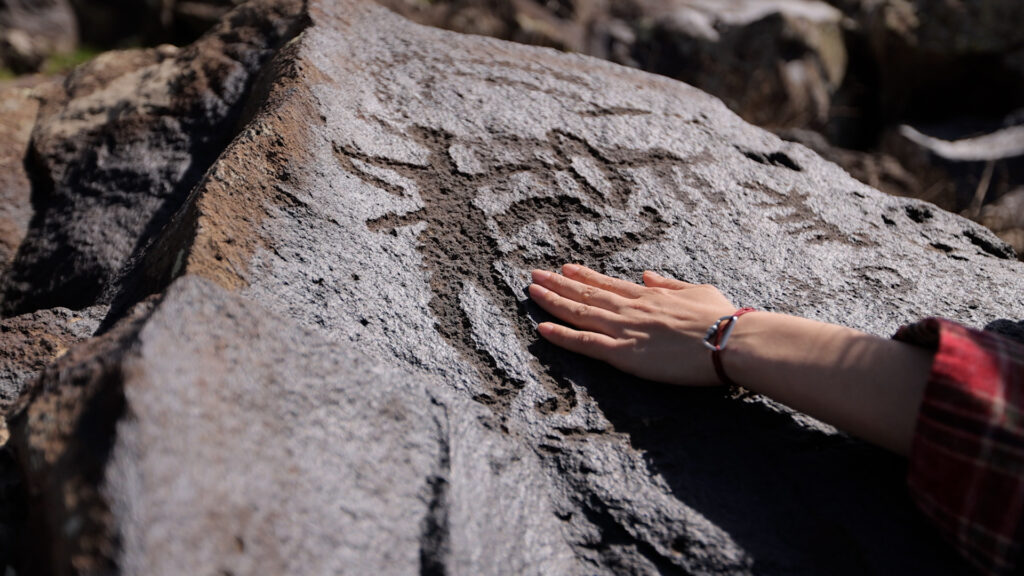
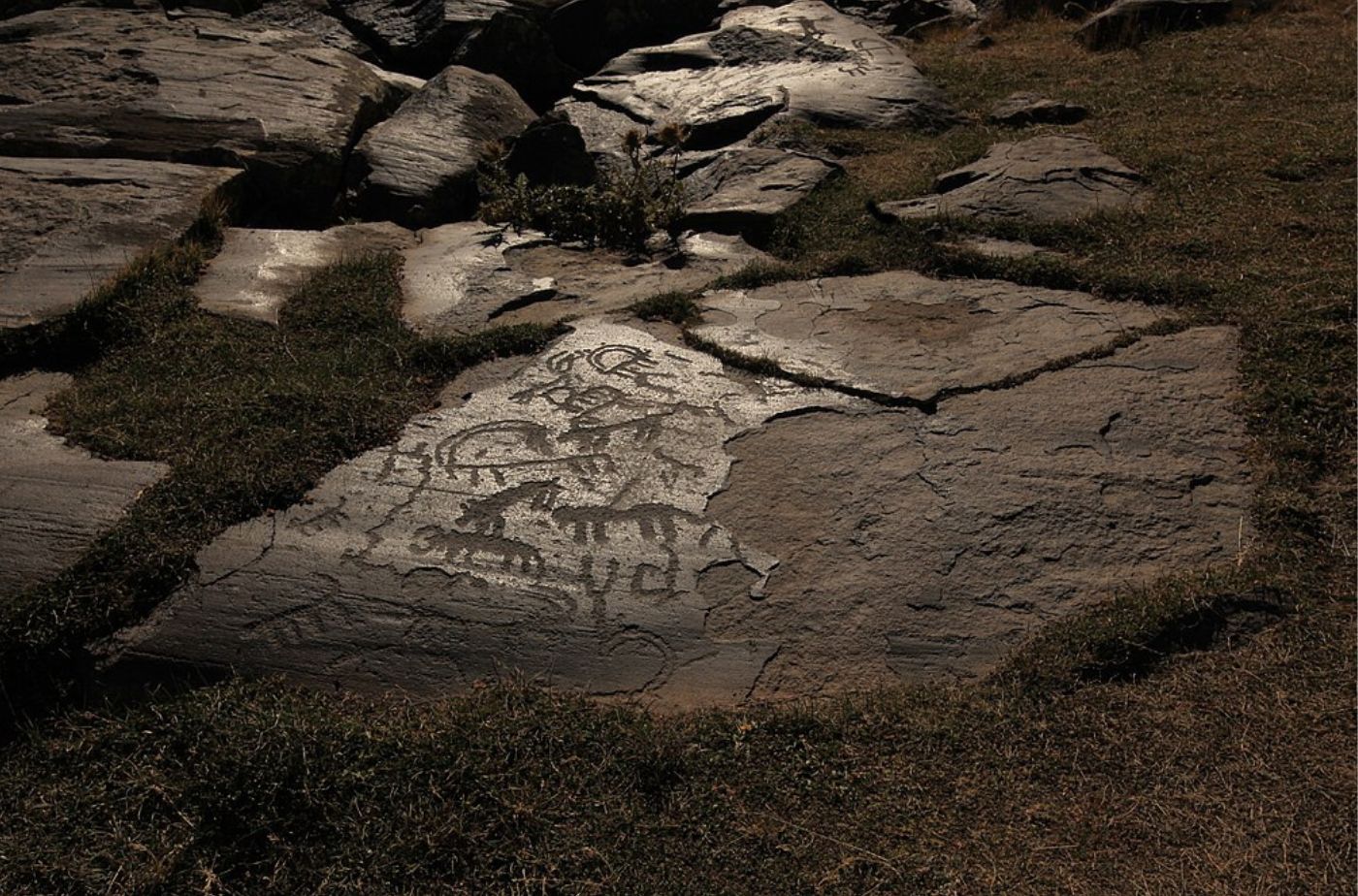
Ughtasar is a unique open-air museum — a place through which the customs, everyday life, and way of life of ancient Armenians can be discovered. I have always been curious about what the petroglyphs found there actually look like.
A dream that was supposed to become reality in just a few hours. The hotel where I was going to spend the night was called Basen, named after a district of Erzurum Province in Eastern Anatolia (Western Armenia). The ancestors of the hotel owners moved from that province to the city of Sisian in 1915, and through the name of the hotel, they have preserved the name of their homeland.
At that hotel, I learned Armenian songs and dances and tasted Kelekyosh for the first time. This dish, from the traditional cuisine of the people of Van, has been known since the Urartian period. In the way it is served, it is somewhat similar to khash. It is prepared in a large pot and served, like khash, at large communal tables. I crumbled dry lavash into my plate and added garlic, hot dried matsun (choratan), boiled lentils, onions sautéed with mountain greens, and ghavurma.
Try it — you will like it. The evening was full of gastronomic discoveries. For dessert, they served baklava and halva. Halva is an old Armenian pastry made by pouring sugar syrup or honey syrup over wheat flour roasted in butter. I would never have thought that such a simple recipe could create such an interesting sweet.
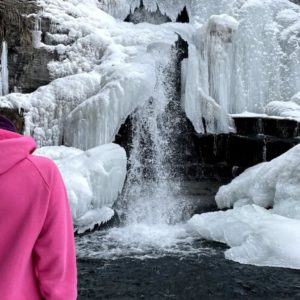
To climb Ughtasar, we had to wake up early in the morning. We had been told that there are pieces of ice on the lake in every season of the year, and that the snow in this area never completely melts. That night, we were also expecting heavy snowfall. Nevertheless, we decided to take our chances and do everything possible to reach Ughtasar.
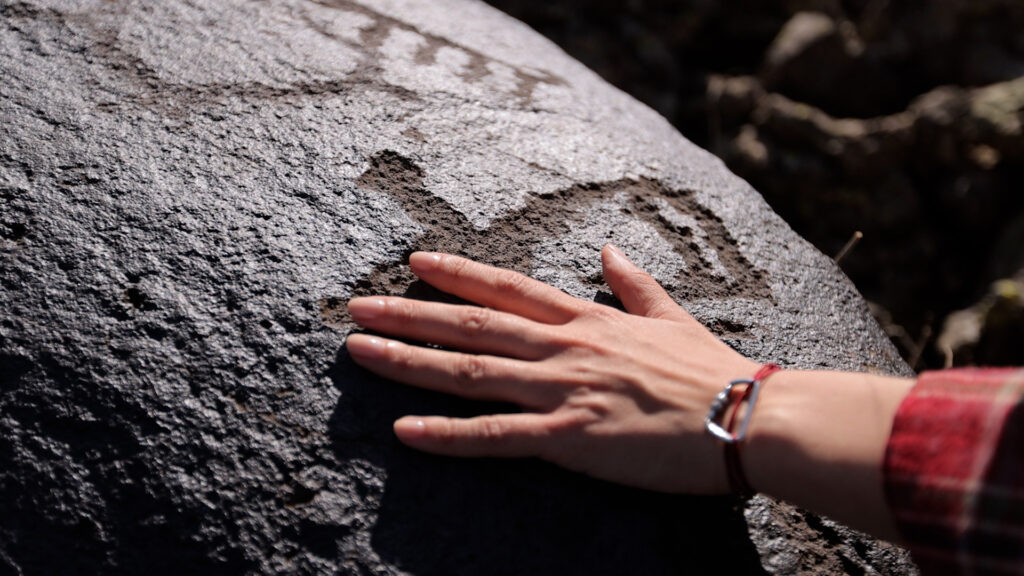
We were on our way when I was already imagining that soon I would see numerous prehistoric petroglyphs, 4,000–7,000 years old. Halfway along the road, the driver told us that the road to Ughtasar was closed. They could not put our lives at risk, so we had to turn back.
Of course, we were very disappointed, but for our guides, our safety was more important, and we could not enter into “traditional Armenian negotiations” 😀. The discovery of Ughtasar was postponed until June. At that time, it will also be possible to see the engravings made with stone tools on black and gray volcanic rocks. Most of these are considered inscriptions dedicated to the lives of the deceased and heroic stories. The stones depict people hunting, cultivating the land, taking part in competitions, as well as scenes of battles and dances. There are also numerous depictions of animals — wild and domestic bison, goats, mouflons, gazelles, and deer.
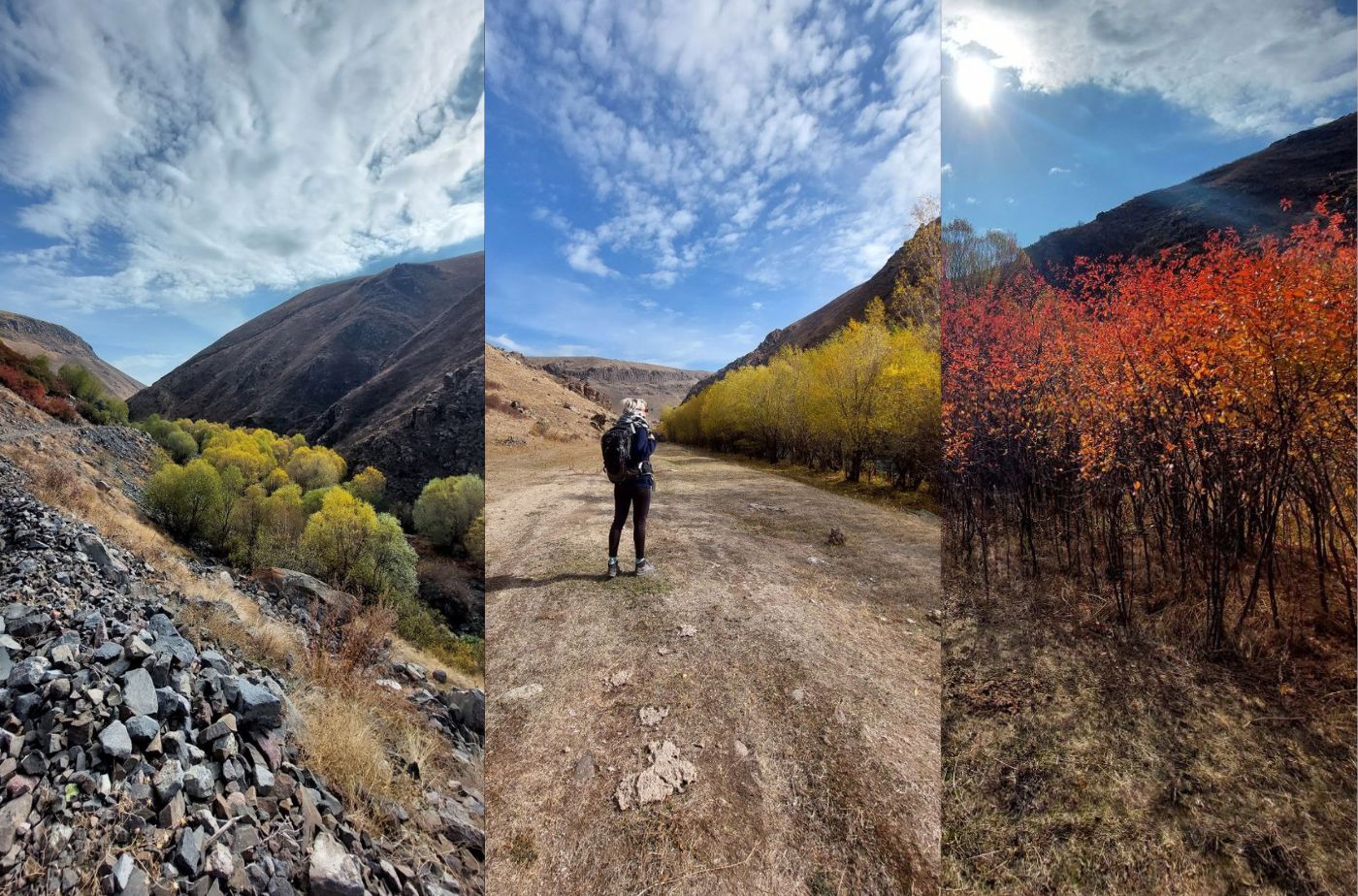
At that moment, I was disappointed, but later I became filled with even greater anticipation. In June, besides the petroglyphs, I will also be able to enjoy nature in all its beauty. Once again, I realized that there is no way to fight the weather. The positive side of all this was that now I have a good reason to return.
And when I do, I will also tell you about Hasmik, the owner of Basen Hotel, who was the most impressive discovery of the entire journey 🙂