Khosrov Forest: One of Armenia’s Greatest Secrets of the Wild
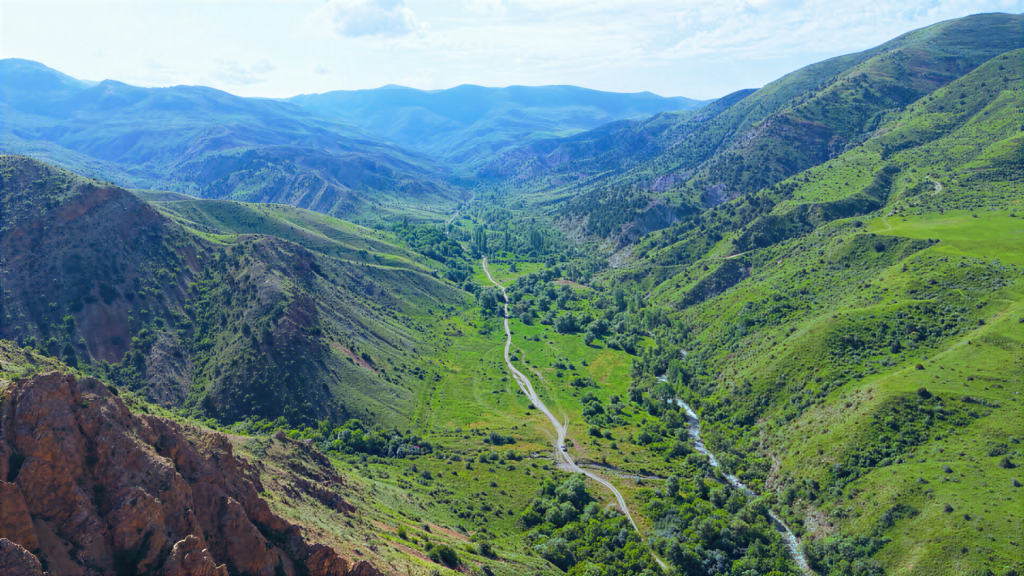
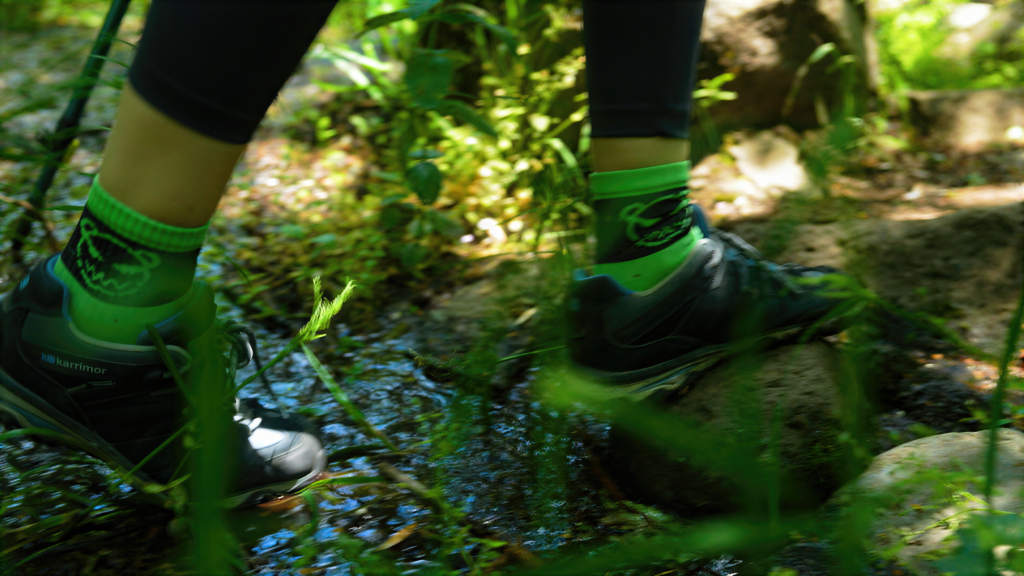

There are places in Armenia that are not simply beautiful. They make you stop, fall silent, and look around a little more carefully. Khosrov Forest State Reserve is one of those places.
If you love nature, history, and those roads where you hear more birdsong than the sound of tourists, then this is definitely a place to add to your list. Here, at every turn, you feel that nature lives by its own rules, while humans are simply guests.
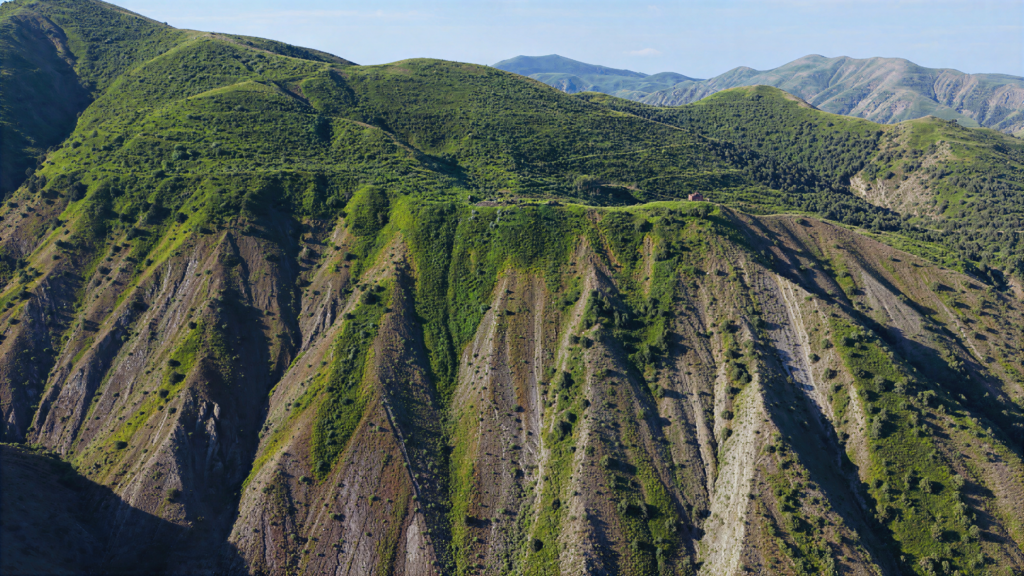
Khosrov Forest State Reserve is one of Armenia’s oldest protected areas and is considered one of the most important biodiversity hotspots in the South Caucasus.
Across an area of just around 23,000 hectares, you can find around 1,800 species of higher plants, which is an exceptional figure. To put this into perspective, around 6,000 plant species are known across the entire Caucasus ecoregion, and almost one-third of them can be found here.
This is one of those places where every season changes the landscape, but never its character.
The film was created with the support of the Caucasus Nature Fund (CNF).
Before visiting Khosrov Forest, there is one important thing to understand: this is not a park.
The reserve protects nature in as undisturbed a state as possible, which is why visits are organized along designated routes. These trails allow you to discover some of the most beautiful landscapes, historical monuments, and waterfalls without harming this unique ecosystem.
Once you understand why the rules here are strict, you begin to appreciate and respect this place even more.
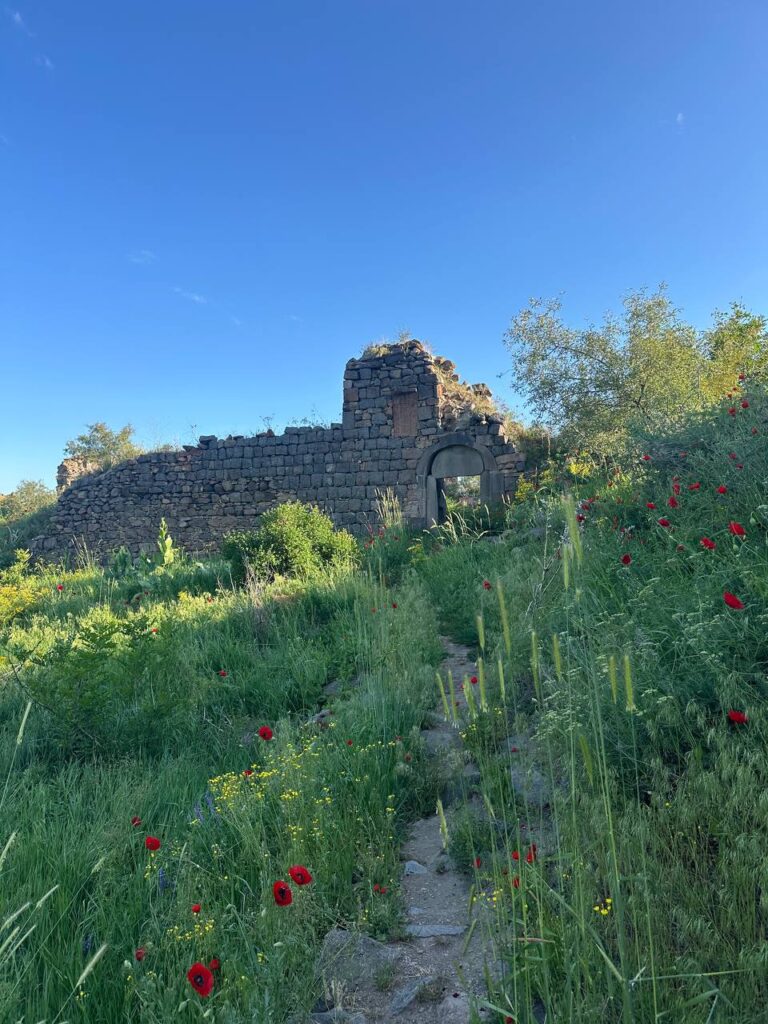
One of the best-known historical monuments in Khosrov Forest is the Havuts Tar monastic complex.
It is mentioned as early as 1013 and was an important religious, educational, and cultural center in medieval Armenia. Scriptoriums operated here, manuscripts were created, and musical education also played an important role in the life of the monastery.
Although earthquakes caused significant damage to the complex, it still continues to amaze visitors with its architecture and surrounding landscape.
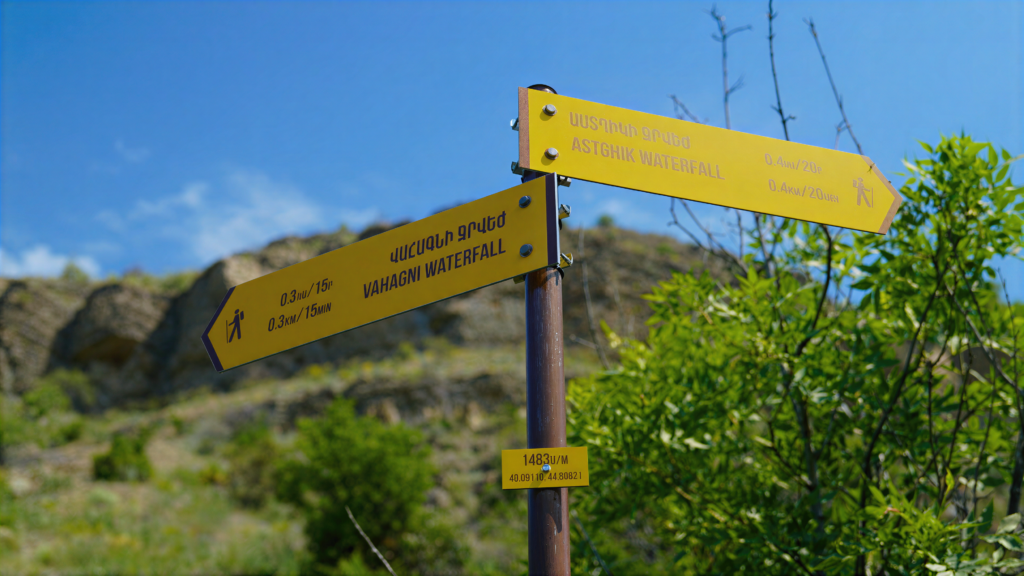
Among the most beautiful corners of Khosrov Forest are the Vahagn and Astghik waterfalls. According to Armenian mythology, Vahagn defeated a dragon and brought love and beauty back to the world, while Astghik, the goddess of love and water, bathed in these mountain waters.
When you stand beside the waterfalls, it is hard not to wonder why these very places became part of Armenian legends.
The most famous resident of Khosrov Forest is undoubtedly Neon, the Persian leopard.
He is rarely seen by people, but his presence alone says a lot about the health of the reserve’s ecosystem. The leopard is an apex predator, at the top of the food chain, and the pattern of each individual’s coat is as unique as a human fingerprint.
Neon has become a symbol not only of Khosrov Forest, but also of wildlife conservation in Armenia.
If you are lucky, you may encounter some of them in the reserve—or at least spot their tracks or other signs of their presence.
The reserve is home to:
But even if you do not see any animals, their presence can be felt at every turn.
Four species of venomous snakes are found in Armenia, and some of them also inhabit Khosrov Forest.
Encountering one in the wild is possible, but very rare. If you stay on designated trails and wear closed shoes, the risk is minimal. Snakes generally do not attack people first and usually try to move away from them.
Respect for nature is always the best protection.
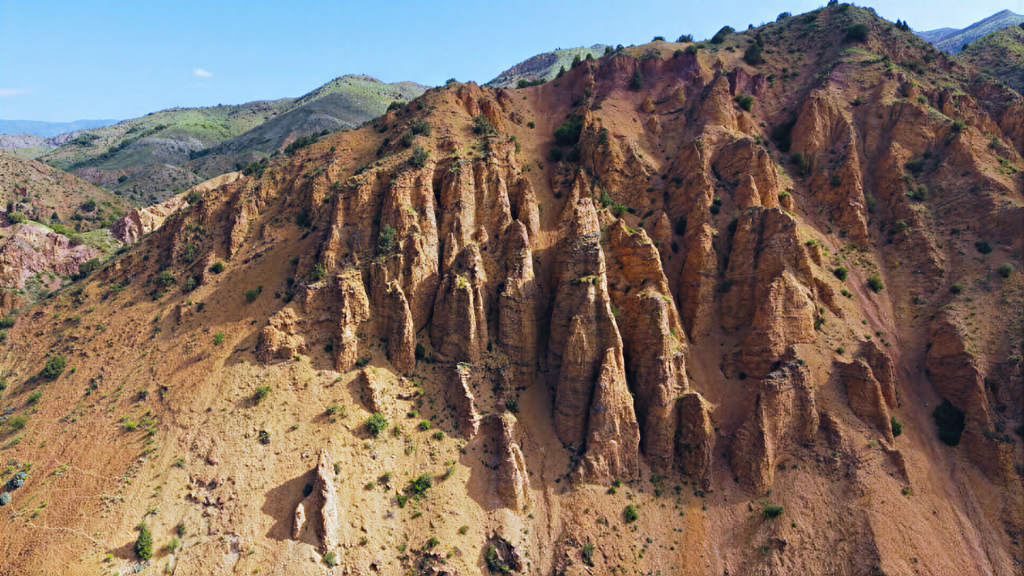
Originating in the Geghama Mountains, the Azat River has shaped the canyons and remote gorges of this area over thousands of years.
Without the Azat River, it would be difficult to imagine this entire natural world.
If you love travelling around Armenia, Khosrov Forest is one of those places you should see at least once.
Here, you will discover not only ancient monasteries, impressive waterfalls, and habitats of rare animals, but also gain a deeper understanding of just how rich—and fragile—Armenia’s natural heritage is.
Khosrov Forest is more than just a reserve. It is one of those places where nature is still telling its own story—and if you stay quiet for a moment, you will definitely hear it.
Where is Khosrov Forest State Reserve located?
The reserve is located in Armenia’s Ararat Province, about an hour’s drive from Yerevan.
What can you see there?
The Havuts Tar monastic complex, Vahagn and Astghik waterfalls, the Azat River, rare plant species, and habitats of wild animals.
Can I visit independently?
You can visit the Havuts Tar monastic complex independently. Visits to the other parts of the reserve are only possible with a guide.
When is the best time to visit?
From late spring to late autumn, the reserve is especially beautiful, but every season has its own unique charm.
Հայաստանը կախարդական երկիր է։ Այստեղ ջերմ ենք, հյուրըն

Հայաստանում ձմեռը սկսվում է նոյեմբերի վերջ/դեկտեմբերի