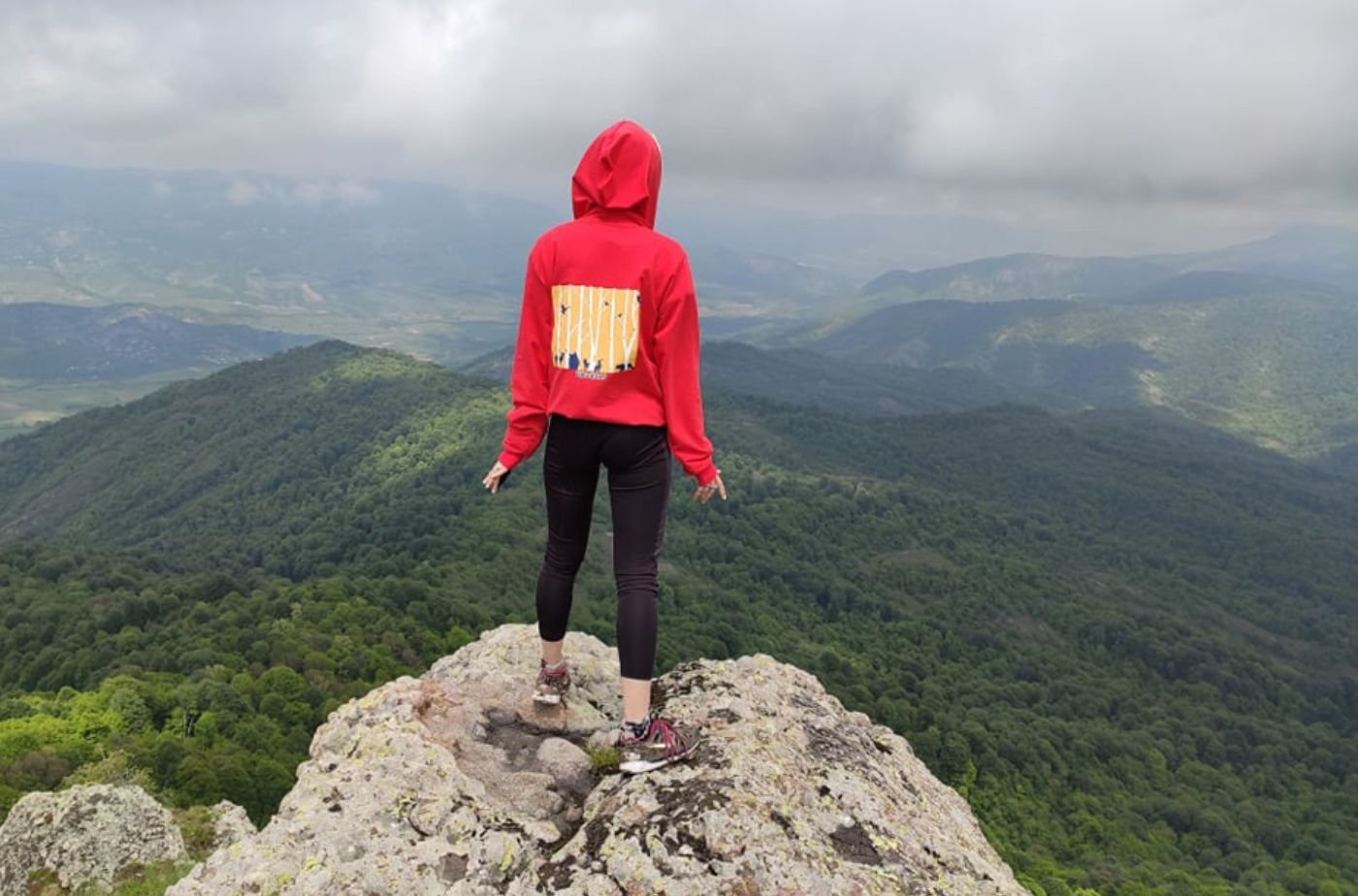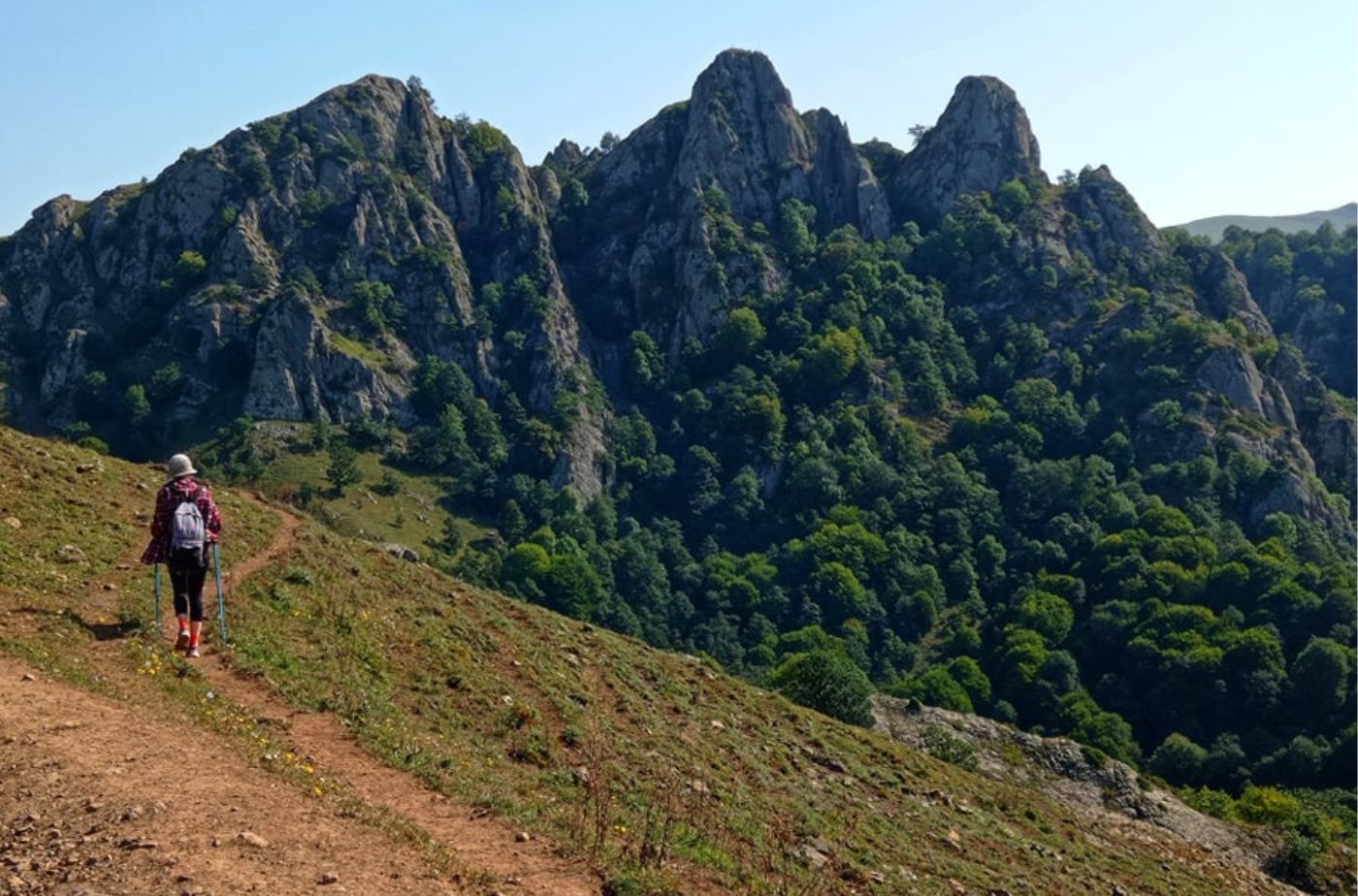

There is an inseparable connection between nature and humans. Nature provides everything necessary for human life, creating the conditions for existence. It is essential to appreciate it and try to live in harmony with nature, without disturbing its balance.
We are in one of the smallest villages hidden among the mountains of Lori Province. We travelled from Yerevan to KarinJ, the starting point of our hike. This village is known to many thanks to the famous Armenian painter Martiros Saryan. Once, Saryan visited Dsegh as a guest of the great Armenian poet Hovhannes Tumanyan. While exploring Dsegh, the artist noticed KarinJ village on the opposite mountains and could not remain indifferent. He captured the breathtaking landscape of the village on canvas, making it one of KarinJ’s symbols. The painting is called “The Collective Farm of KarinJ Village in Tumanyan’s Mountains”, and the same image was featured on the former Armenian 5,000-dram banknote.
Why Karinj?
As for why the village bears the name KarinJ, it is said that it was founded in the 1800s when five families from the nearby village of Marts moved here. When the newcomers were asked what existed in the village, they replied: “Stones, what else?” (“Kar, el inch?” in Armenian). This is believed to have become the origin of the village’s name.
The purpose of our hike was to walk through the Sevordyats Mountains. The Sevordyats range is considered the western branch of the Gugark Mountains. The mountain chain stretches for 15 kilometres. From KarinJ, our route continued towards Akners, and from there to Kayan Fortress.
The entire hike was 21 kilometres long, but the landscapes unfolding before our eyes were truly extraordinary and unique. The beauty of the Debed Gorge was breathtaking. This natural wonder enchanted me and filled my soul with joy.

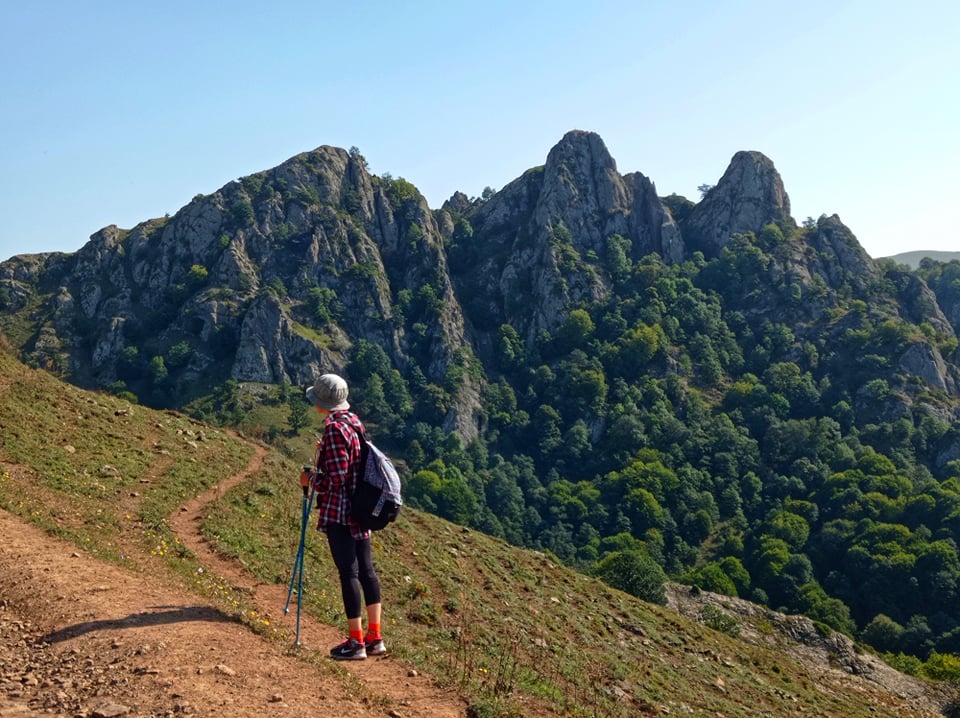
We continued our walk towards Akners village. The water supply of Dsevanq Monastery came from the Vornak spring through an underground water channel.
Centuries ago, Kayan Fortress was besieged by Caucasian tribes, particularly the Lezgins. The Armenians defending the fortress resisted fiercely, preventing the enemy from capturing it. During the siege, the attackers learned from an elderly woman living in a nearby village where the spring supplying water to the fortress was located. This is how the village received the name Vornak — meaning “Which spring?” (“Vor akn e?” in Armenian).
The Lezgins blocked the water source, and after several days, the people sheltering inside the fortress were forced to surrender.
To this day, Kayan Fortress has not been fully excavated. Archaeological research has revealed that during the medieval period there were two fortresses bearing the name Kayan: one in Lori, near Haghpat, and the other in the Aghstev Valley. The destinies of these two Kayans were different.
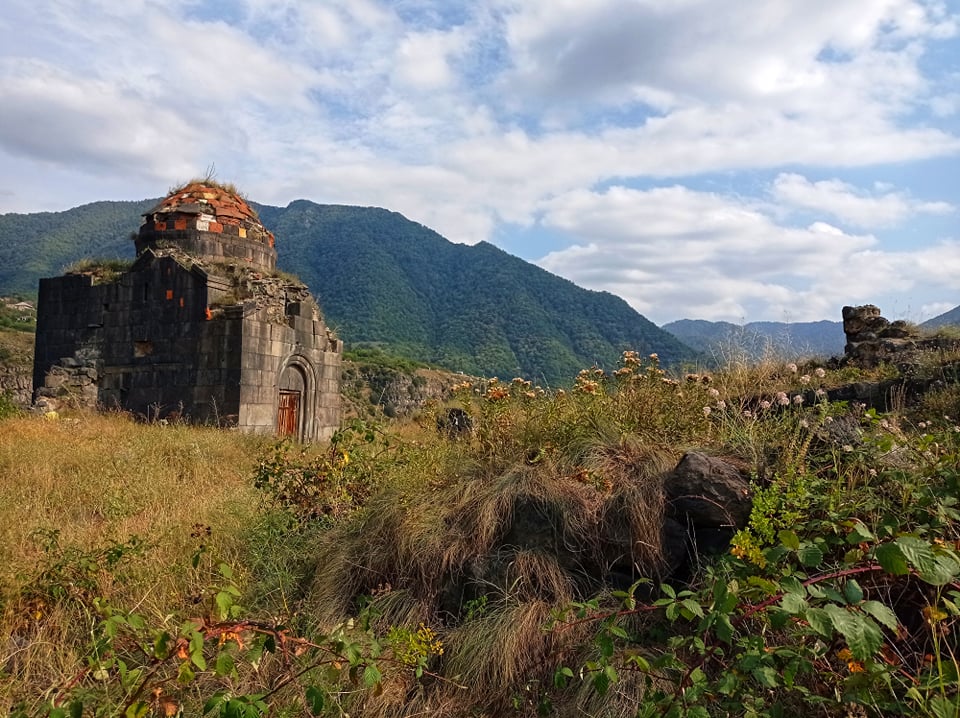
According to construction inscriptions, the fortress was built in 1233 by Bishop Hovhannes, the spiritual leader of Haghpat Monastery. Initially, it was called “The Fortress of Haghpat’s Holy Sign”, while the names Kayan and Dsevanq appeared later.
Today, the fortress is also known as Aknaberd, most likely because of its location near Akner village.
Յուրաքանչյուր ոք ինչ-որ բանից վախենում է։ Շատերը շների
Հայաստանը կախարդական երկիր է։ Այստեղ ջերմ ենք, հյուրըն
Նման վերելքը ծրագրված չէր, անսպասելի էր, վախեցնող, բա