
Within these walls lies a fascinating story spanning thousands of years, revealing the dramatic history of the formation and evolution of the Syunik world.
Welcome to the Kapan Geological Museum, a testament to the geological heritage of this ancient land. As you begin your journey through the museum, prepare to be captivated by the remarkable diversity of the exhibits on display.
The first floor presents the history of Syunik during the 19th and 20th centuries, the Armenian-Tatar clashes, the First World War, the struggle for Zangezur, as well as personal letters and belongings. The second floor is entirely dedicated to archaeology.
Here is what you will miss if you visit Kapan but do not visit the museum:
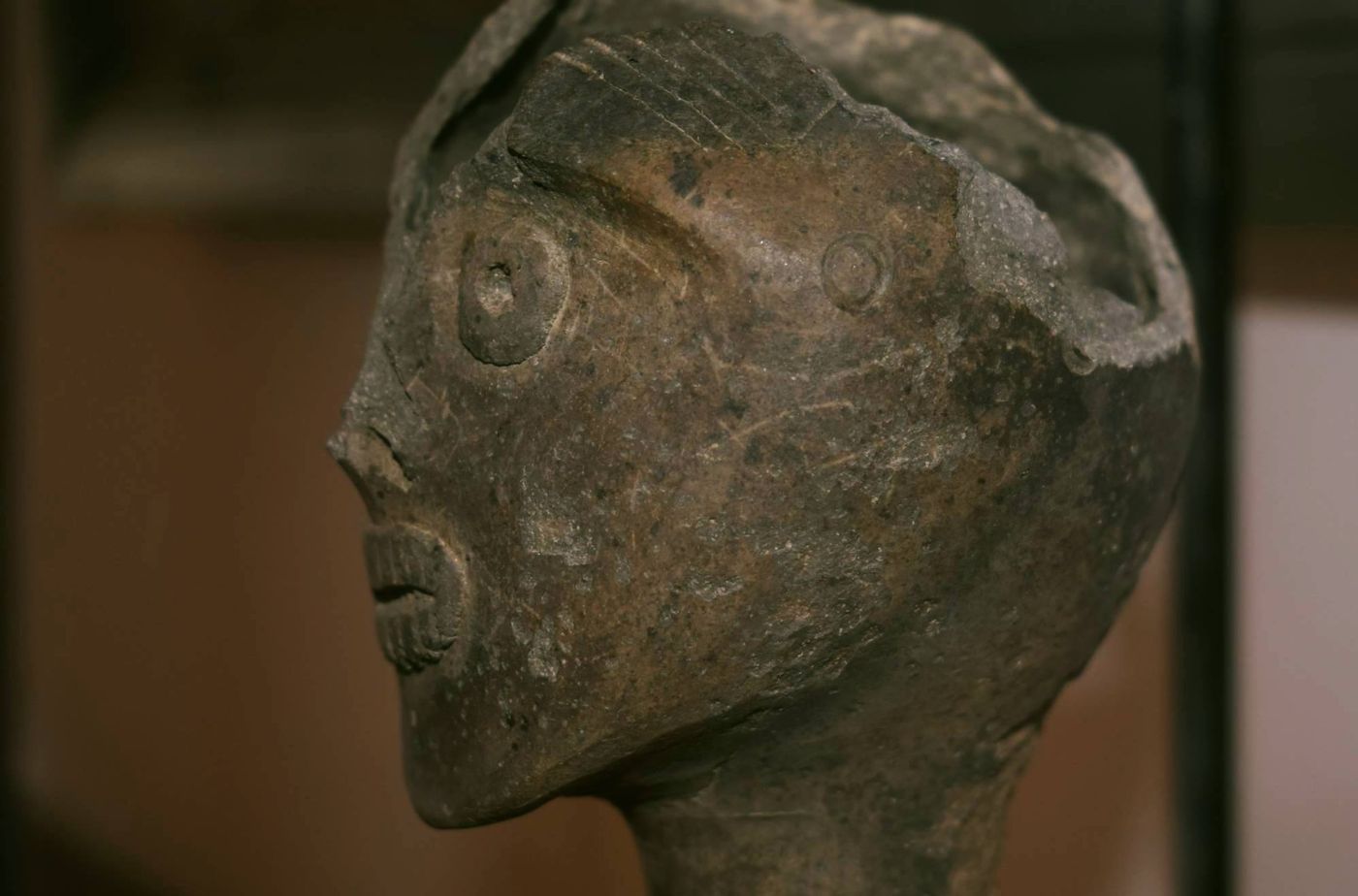
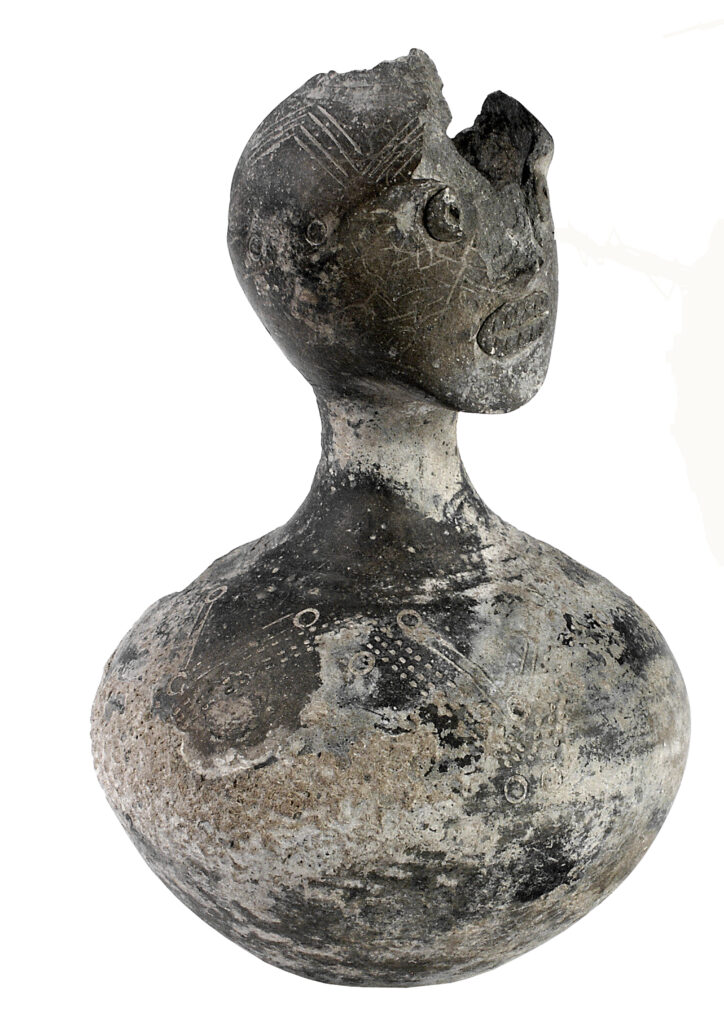
You will not learn about the ritual vessel in the shape of a woman, dating back to the 8th–7th centuries BC. It was discovered accidentally during the construction of the Teghut-Shinarar district. The vessel depicts a woman with a spherical body and is considered a unique find. The facial features and delicate structure of the woman are clearly visible. Geometric patterns and the image of the Tree of Life are depicted on the head.
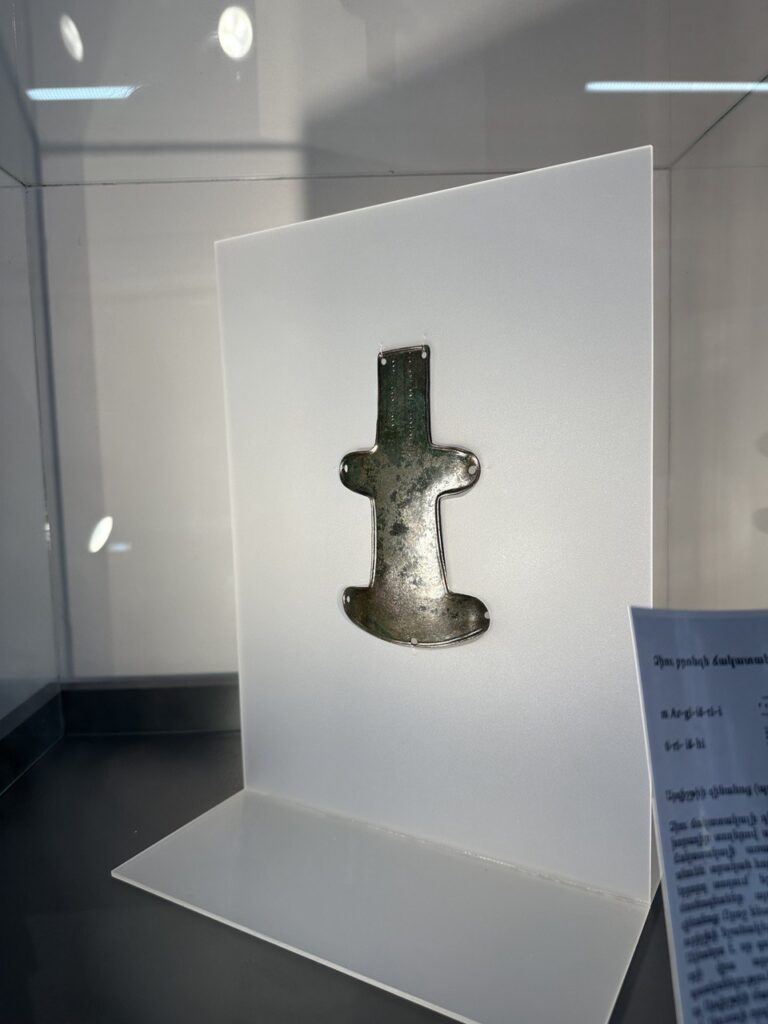
You will not learn about the bronze horse frontlet from the Urartian period. This is also an exceptional discovery in the history of Syunik and Kapan, as there had been no typical Urartian artifact found in Kapan, especially one bearing a cuneiform inscription. The only typical Urartian find was a bronze lion figurine discovered in Siznak in 1954, which is preserved in Goris. The cuneiform inscription on the frontlet reads “Argishti Urishkhi,” which has been interpreted in different ways as warehouse, arsenal, or property. The object belonged to the royal sphere.
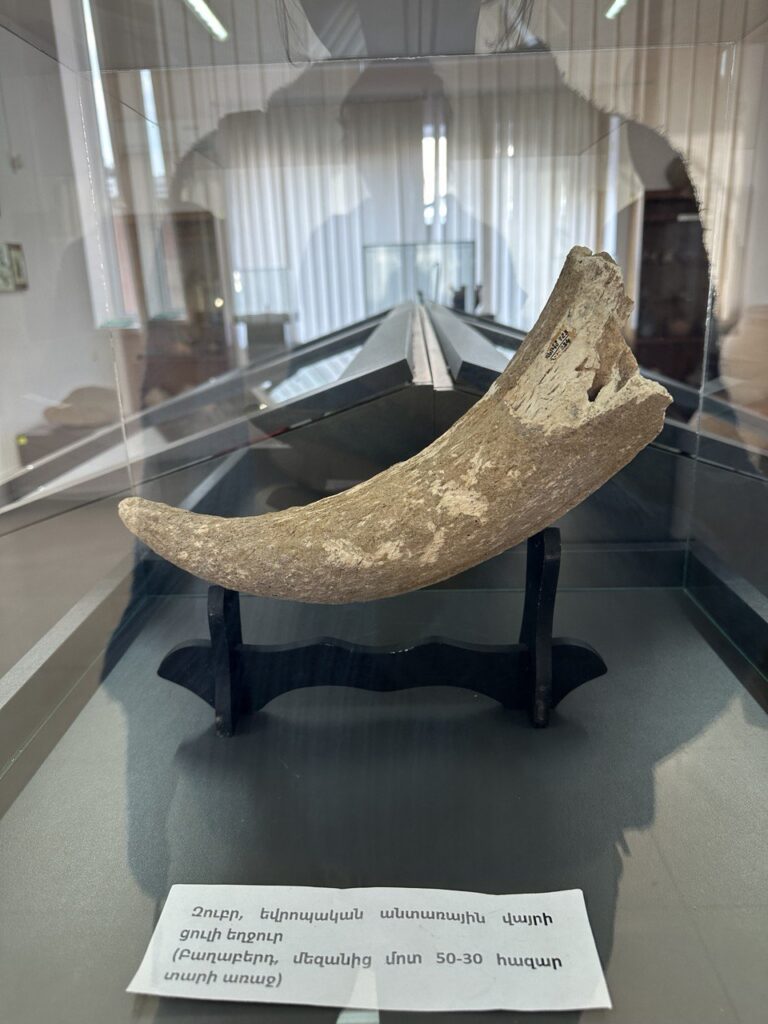
You will not learn that the museum houses a European bison horn. It was discovered in 1970 during the construction of the Kapan-Kajaran highway, slightly below Baghaberd. A small sample was sent to Belarus for modern genetic (DNA) analysis and radiocarbon dating (14C). The results will be discussed by Polish and Armenian specialists. This may be the oldest artifact ever discovered in the Kapan region, dating back approximately 30,000–50,000 years.
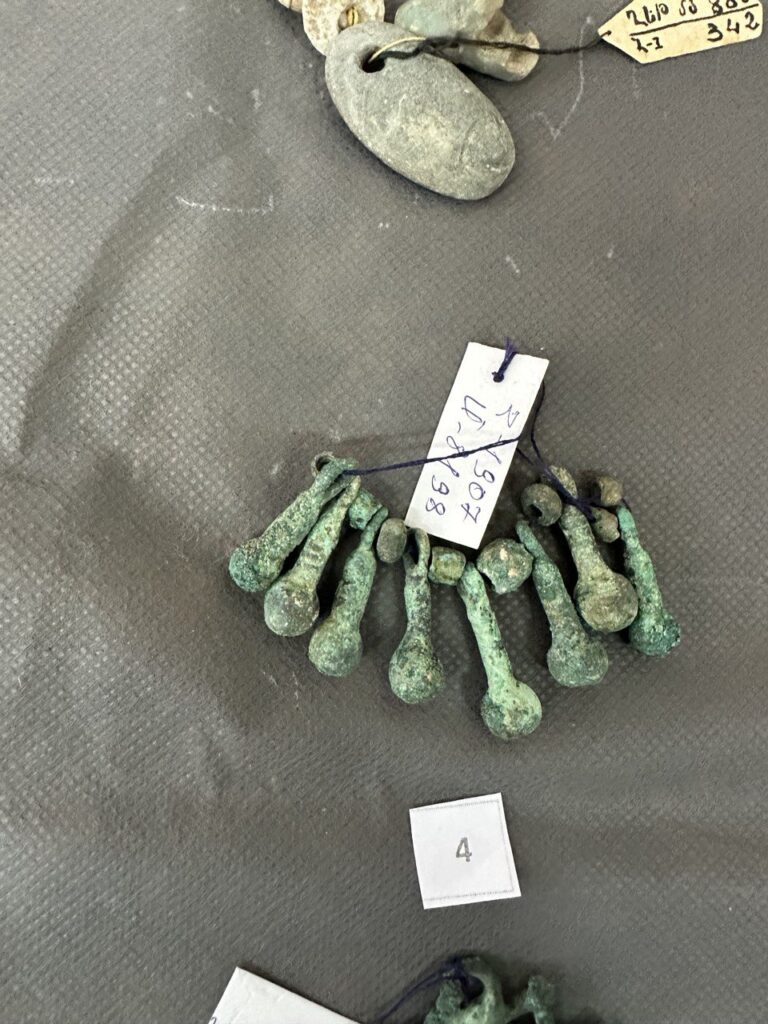
You will not learn about the luxury items. It should be noted that the Kapan region is rich in mineral deposits, and as early as three thousand years ago, our ancestors were already able to produce various objects from metal. These included ornaments, weapons, and military equipment. The luxury items displayed in the museum belong to different periods, mainly dating from the 12th to the 7th centuries BC. Here you can see ornaments belonging both to young women and to children. All are made of bronze.
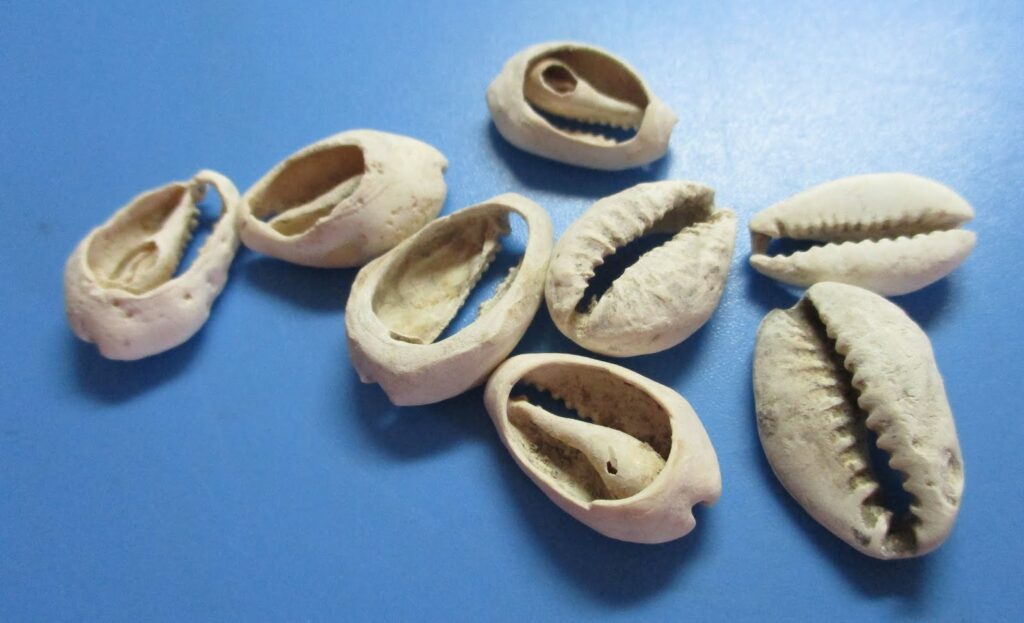
You will not learn about cowrie shells, the earliest evidence of whose use as a means of payment dates back to the middle of the 2nd millennium BC, and which remained in circulation until the beginning of the 20th century. Kapan was one of the important trade routes. Sea shells have been discovered in burial sites, and this type of cowrie was brought from the Indian Ocean. It was likely imported as a medium of exchange, while tin or copper was exported from here. They date to the 10th–8th centuries BC.
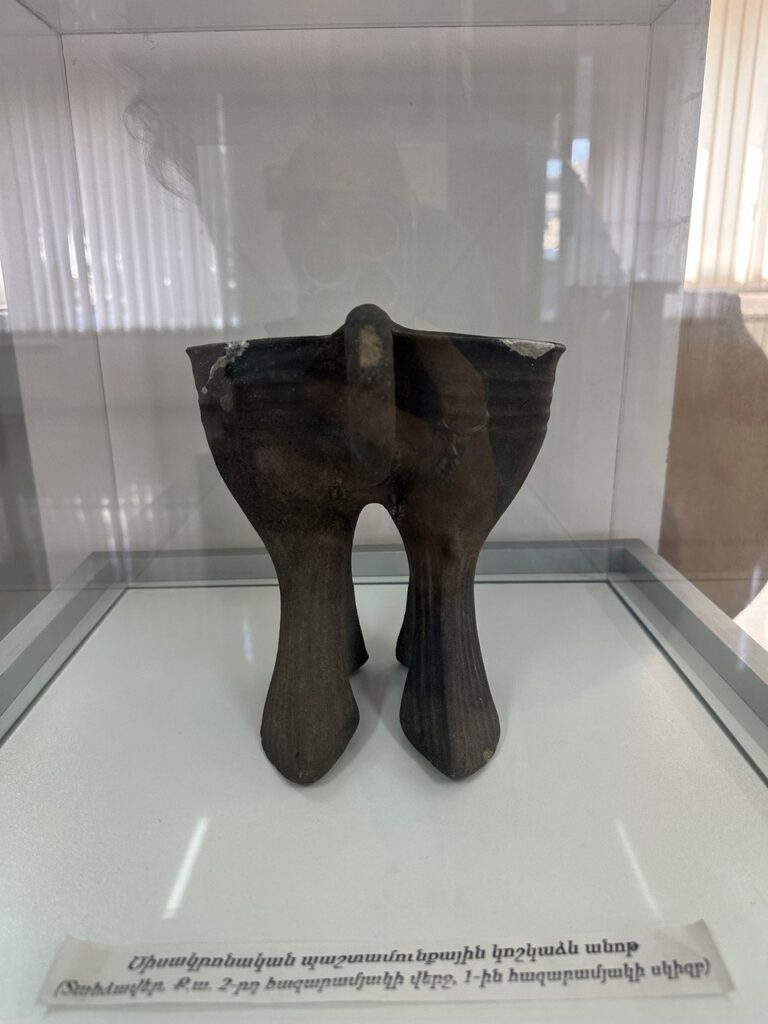
You will not learn that there are various unique ritual vessels here. For example, they are divided into several types: zoomorphic, anthropomorphic, and shoe-shaped. The Kapan region enjoyed a favorable climate both for animal husbandry and for the reproduction of wild animals. The zoomorphic vessels were made in the form of horses or deer, and examples dating to the 5th century BC can be seen here. Artsakh and Syunik served as centers of horse breeding, and every year around fifty thousand foals were sent to Persia to be sacrificed during the Festival of Mihr. Another type of vessel is shoe-shaped. You can see both double-spouted and single-spouted examples, both discovered in Tandzaver village. They date to the 12th–11th centuries BC. There are two theories regarding their purpose. The first suggests that the vessels symbolized the road to the afterlife, while the second proposes that they were simply used in everyday life.
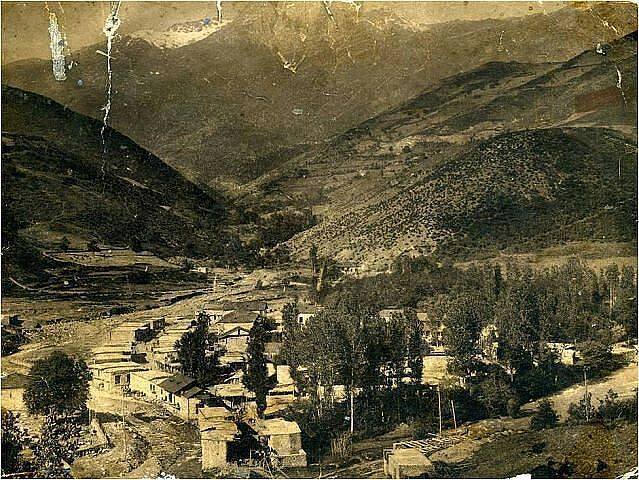
You will not learn about the oldest photograph of Kapan, taken in 1909, in which Mount Khustup can also be seen.
You will not learn that the museum houses dragon-pattern carpets, and that the names of their weavers are also known.
You will not learn that the museum offers interesting experiences. Visitors can participate in amateur excavations at the museum’s artificial excavation site and even make a dagger with their own hands.
Still thinking?
Museum Address: 3/7 Mushegh Harutyunyan Street
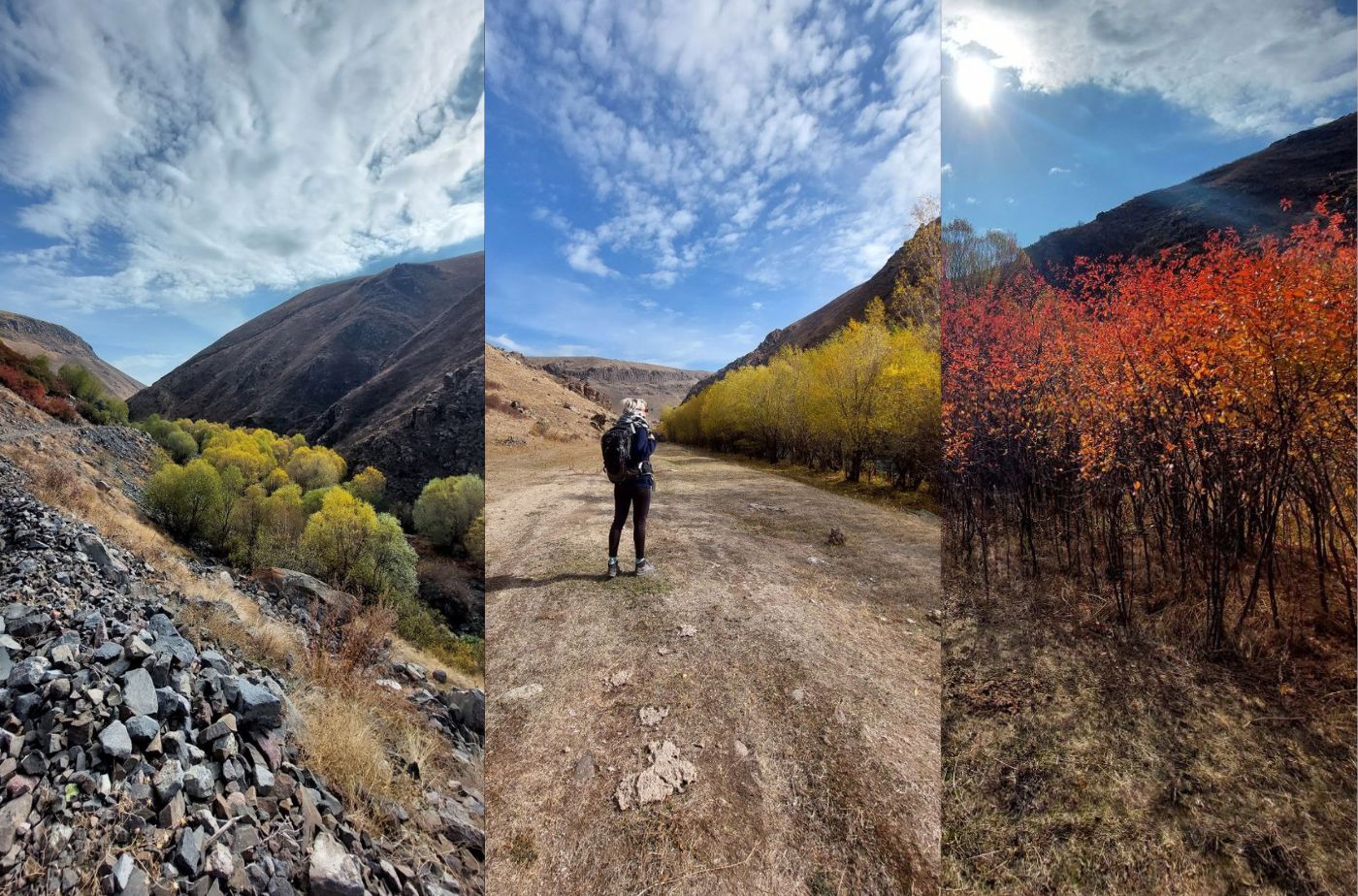
Այս անգամ քայլարշավը սկսում ենք Անգեղակոտից, գեղեցիկ տ
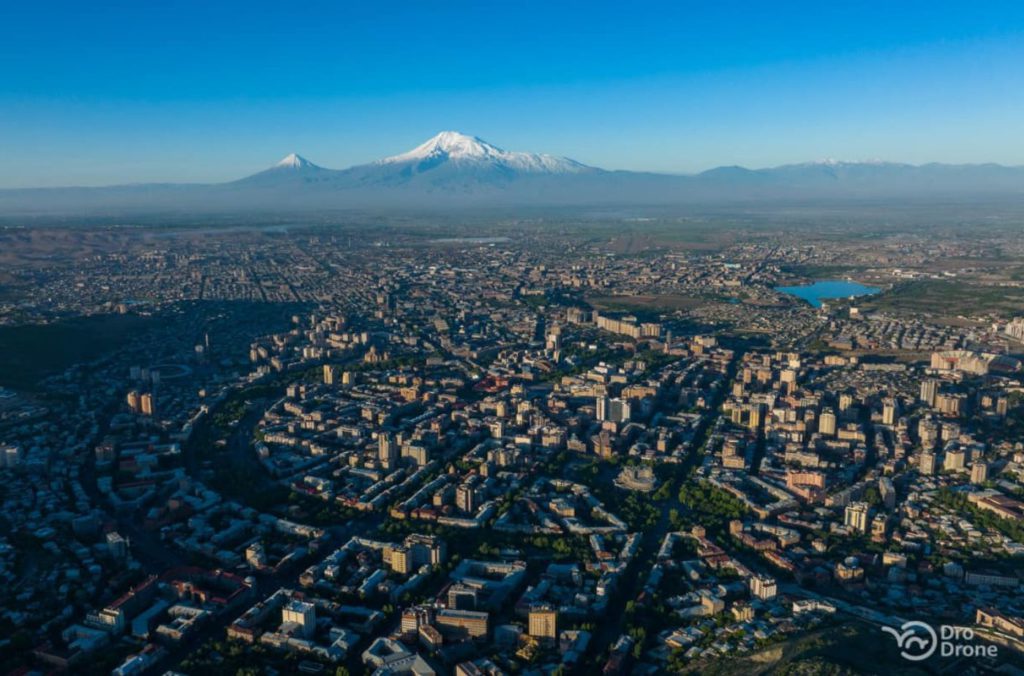
Հայաստանը կախարդական երկիր է։ Այստեղ ջերմ ենք, հյուրըն
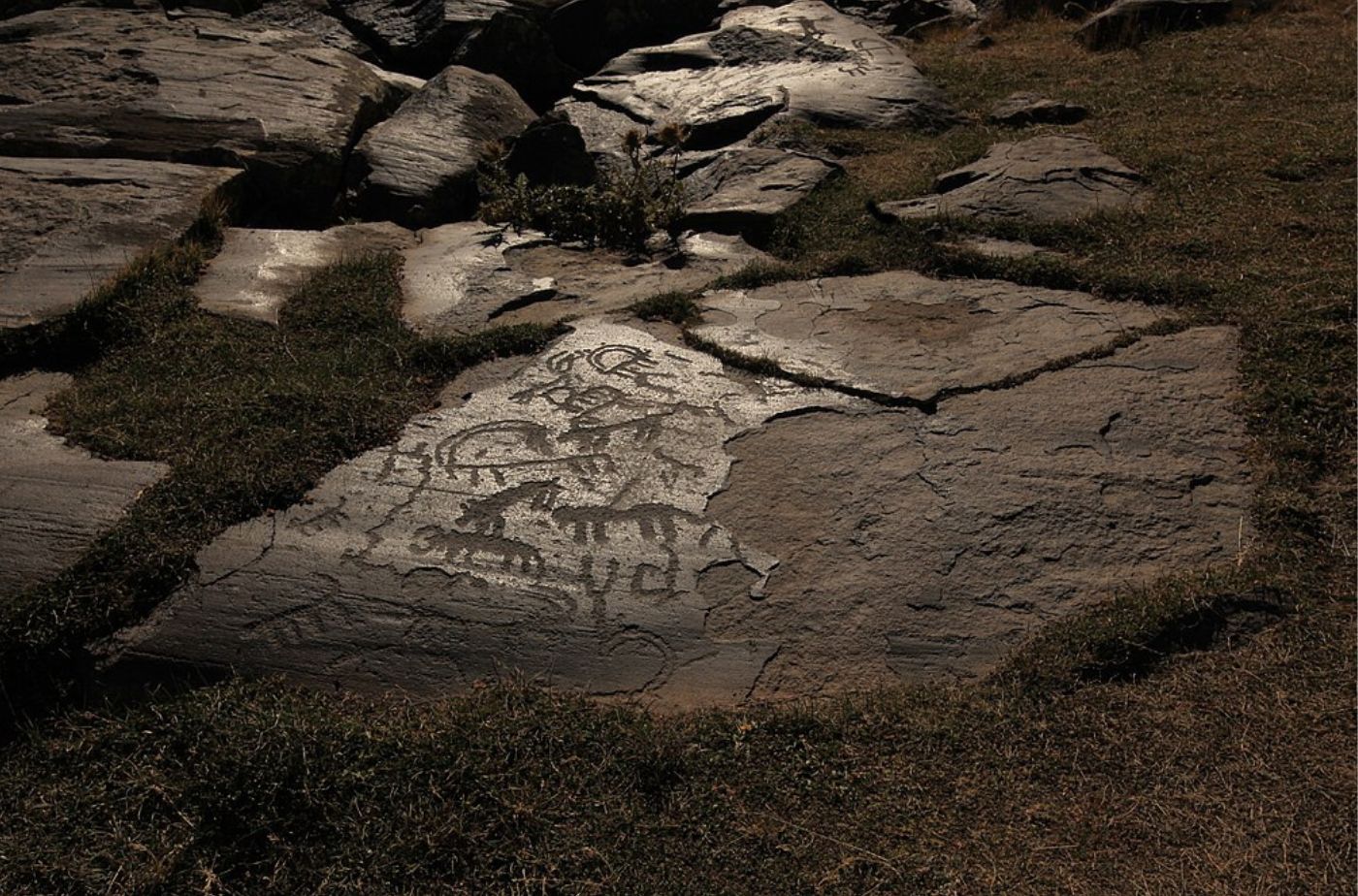
Ուղտասարը յուրահատուկ բացօթյա թանգարան է։ Վայր, որի մի