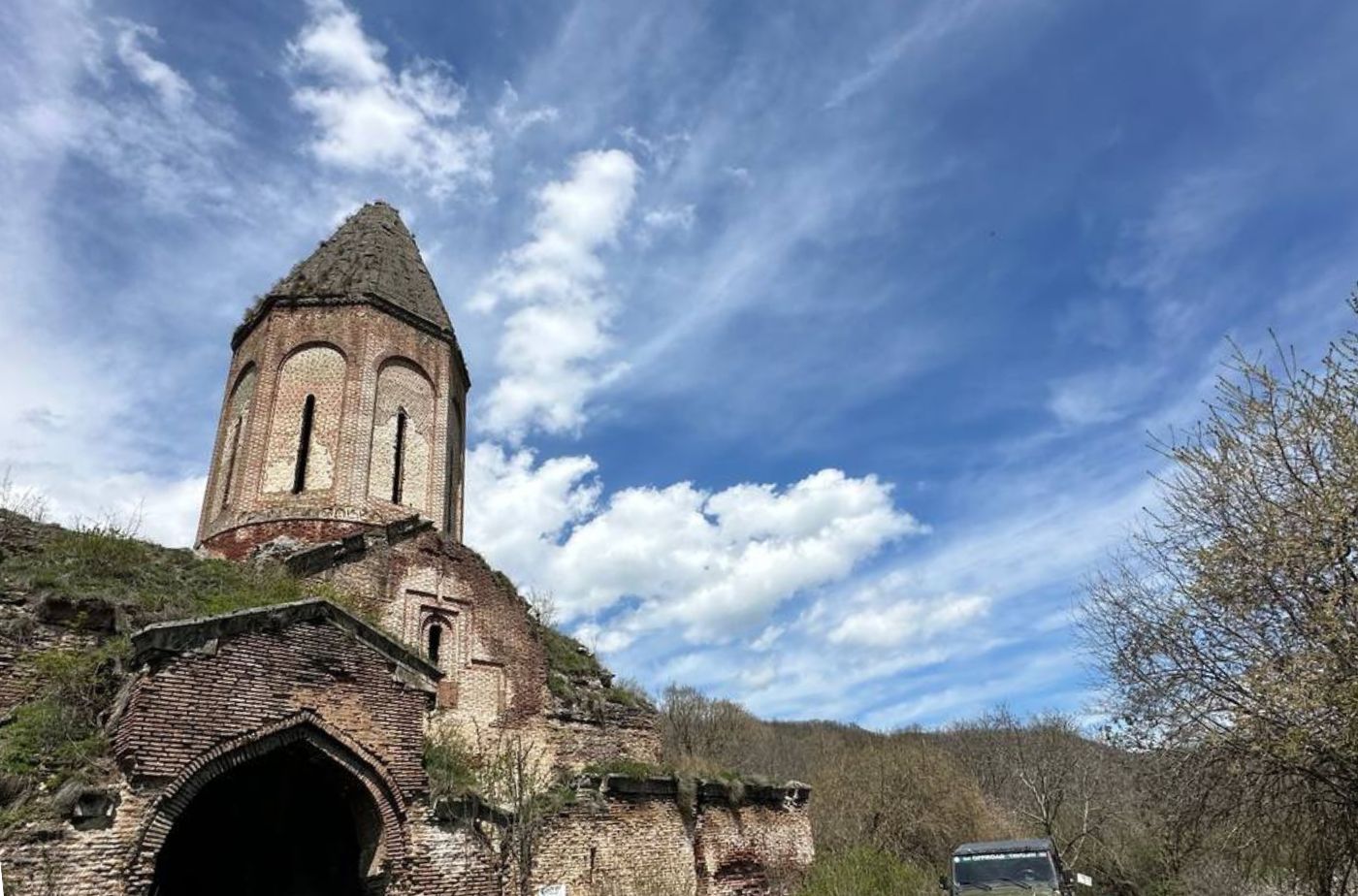

Armenia was the first country in the world to adopt Christianity as its state religion in 301 AD. That is why monasteries and churches have become an inseparable part of the country’s history, culture, and national identity. For many travelers, discovering Armenia begins with its ancient monastic complexes, nestled among mountains, gorges, forests, and picturesque valleys.
Today, hundreds of monasteries and churches have been preserved across Armenia. Many of them were built more than a thousand years ago and continue to function as places of worship to this day.
Armenia is home to monastic complexes from different historical periods, ranging from the Early Middle Ages to the Late Middle Ages.
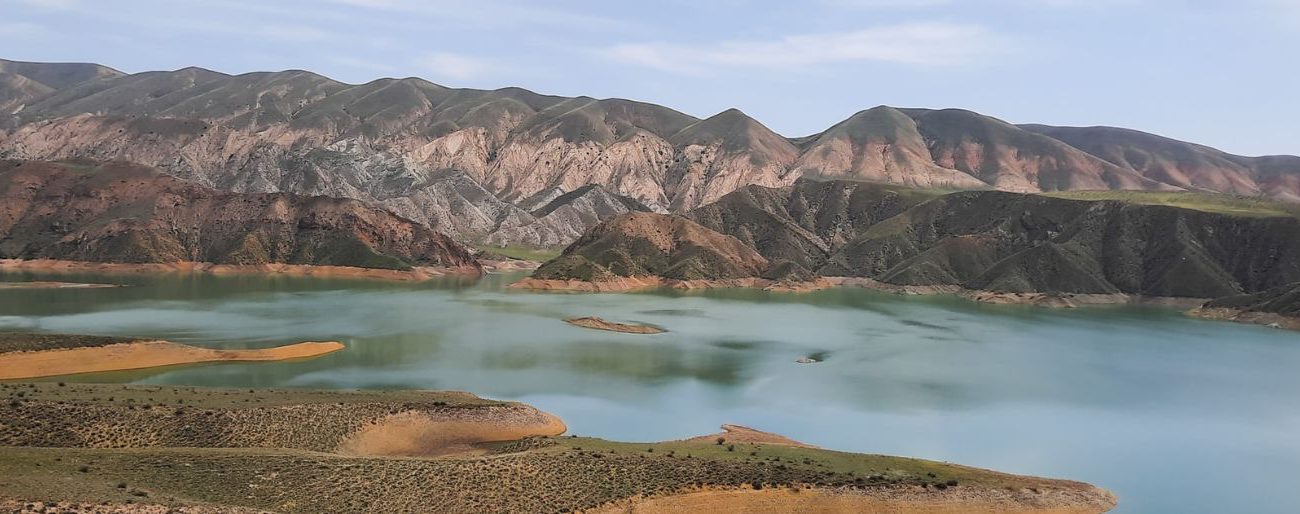
Some monasteries are hidden deep within forests, others stand on the edges of dramatic gorges, while many are perched on mountain slopes or along the shores of lakes. Each has its own history, architectural character, and fascinating legends.
Particular attention should be given to the monasteries included on the UNESCO World Heritage List, as well as those that played a significant role in the development of Armenian literature, education, and spiritual life.
Visiting a monastery is much more than simply seeing a church.
You can discover:
Many monasteries preserve Armenian inscriptions that are hundreds of years old, providing invaluable insights into the country’s history.
Since most monasteries continue to serve as active religious centers, visitors are encouraged to behave respectfully.
It is recommended to:
There is usually no strict dress code for visiting Armenian monasteries. However, modest and comfortable clothing is recommended, especially during religious holidays or church services.
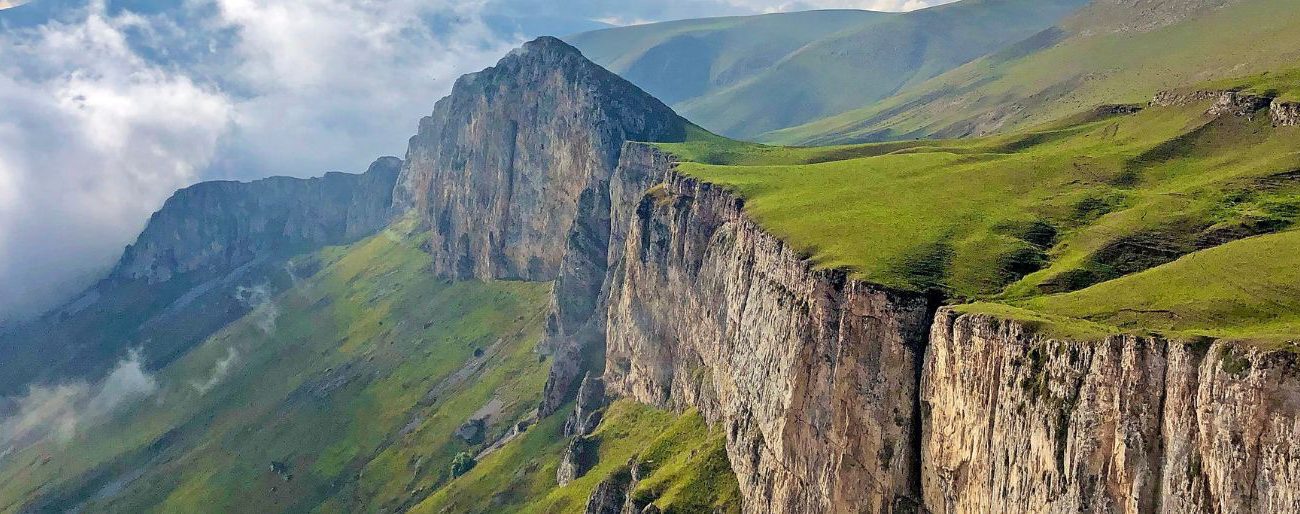
Many travelers say that the most striking feature of Armenian monasteries is their breathtaking location. It seems as if medieval architects deliberately chose the most extraordinary settings—mountain peaks, cliff edges, forest clearings, and highland plateaus.
Equally impressive is the atmosphere. Even after centuries, many monasteries have preserved a sense of peace and silence that is difficult to find in today’s busy cities.
Article about monasteries