Avalanche: A Natural Cataclysm. How to Protect Yourself from Avalanches
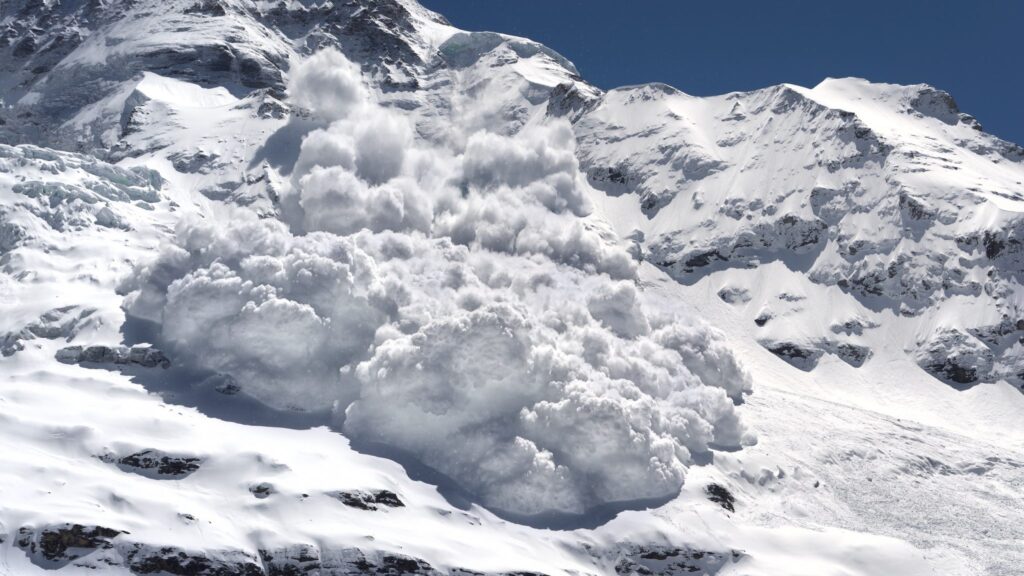
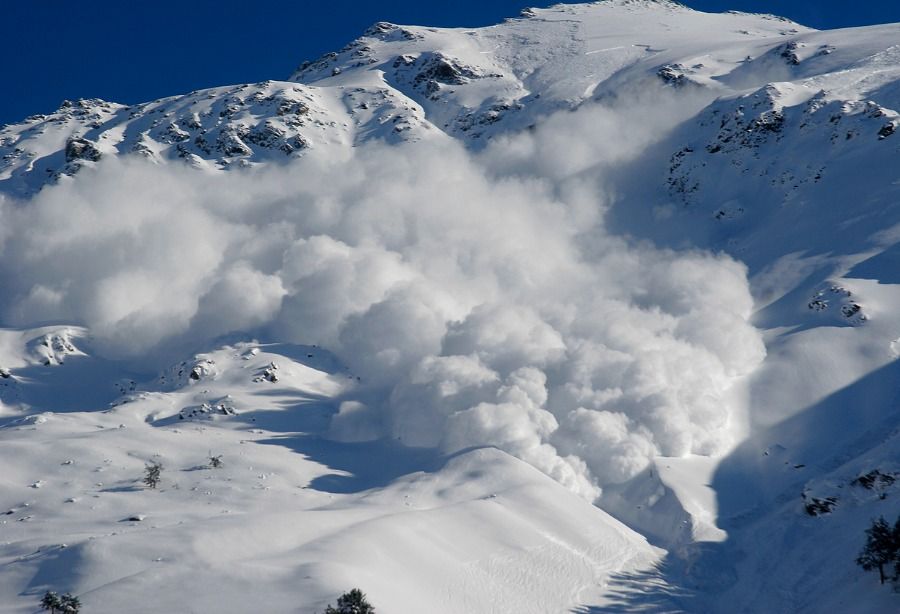
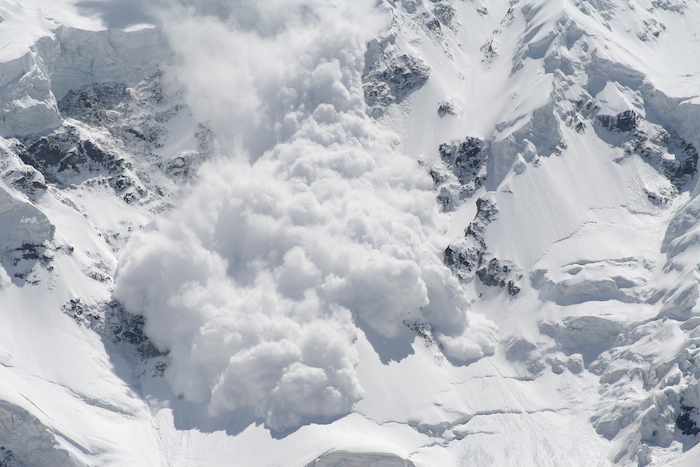
In the winter mountains, a loud sound may suddenly echo through the landscape, and within seconds enormous masses of snow begin rushing downhill, destroying everything in their path. This is an avalanche—one of nature’s most powerful and destructive phenomena, capable of wiping out settlements, damaging roads, and threatening human lives.
More detailed and in-depth knowledge on this topic can be found in the Armenian-language manual written by Eduard Sargsyan and Levon Movsisyan, where they thoroughly explain how to act in avalanche-prone situations.
In this article, I simply provide a general overview so that you can understand how dangerous these natural disasters can be and why it is so important to be prepared for them.
An avalanche is the sudden and rapid movement of a mass of snow down a slope. It can occur due to natural or human-induced causes and depends on several factors, including snow accumulation, weather conditions, and terrain characteristics.
Types of Avalanches
Powder Avalanche – composed of light, loose snow, moving at very high speeds and capable of reaching up to 300 km/h.
Wet Avalanche – slower but much heavier and more massive, formed from wet, dense snow.
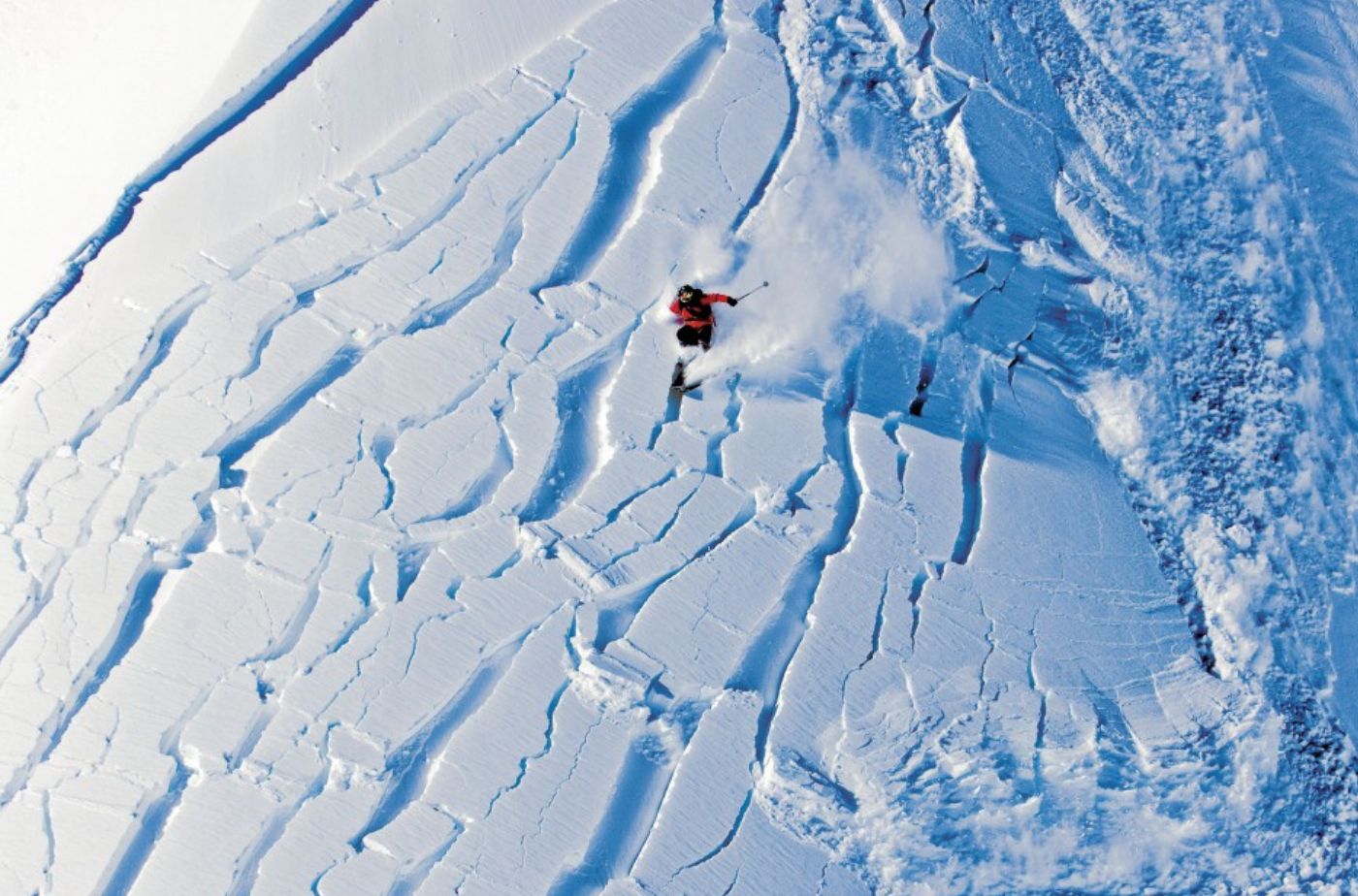
Slab Avalanche – the most dangerous type, occurring when layers of snow break away and slide downhill as one large mass.
Stay Informed – before heading on a winter hike, check weather forecasts and avalanche danger levels.
Choose the Right Route – avoid steep slopes and areas with unstable snow layers.
Use Safety Equipment – carry avalanche transceivers, snow shovels, and avalanche airbags.
Remain Calm – if caught in an avalanche, try to protect your airways and, if possible, create space around yourself to move.
Avalanches can be extremely dangerous, but with proper precautions, risks can be reduced and winter adventures can remain safe.
Avalanches are among the most dangerous natural phenomena found in mountainous regions. They consist of rapidly descending masses of snow, ice, and rocks moving downhill under the force of gravity. Snow slides can reach tremendous speeds and possess enormous destructive power, threatening human lives and destroying everything in their path.
Special measures are taken in mountainous regions to protect against avalanches.
Forecasting – weather conditions, snowpack layers, and potential risks are carefully monitored.
Avalanche Barriers – special fences, retaining structures, and protective barriers are installed to prevent snow masses from sliding.
Artificial Avalanche Release – snow is deliberately triggered using explosives or other methods to reduce the risk of larger uncontrolled avalanches.
Safety Shelters – special shelters are built in hazardous areas.
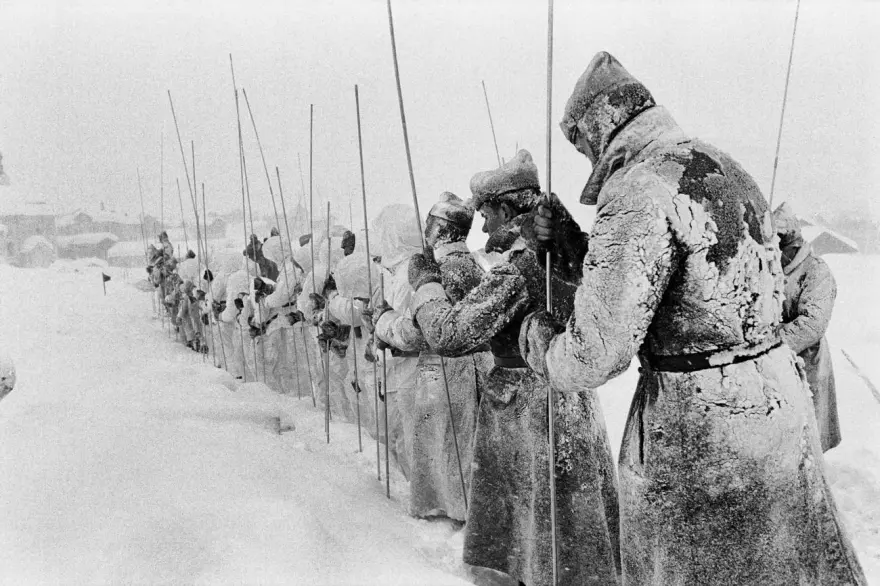
Safe Behavior for Mountaineers – it is recommended to carry avalanche transceivers, probes, and shovels, and to avoid slopes covered with freshly fallen snow.
Try to get rid of heavy equipment and belongings.
Use swimming-like movements to help stay closer to the surface.
When the avalanche stops, try to create an air pocket in front of your face.
If buried under snow, try to determine the upward direction by spitting or moving your hand.
Stay calm and conserve energy while waiting for rescue.
📍 Location: Alps, Italy (World War I)
📅 Date: December 13, 1916
During World War I, avalanches triggered by severe snowstorms in the Alps destroyed thousands of soldiers’ trenches. Particularly devastating was the disaster in the Col di Lana region, where enormous masses of snow buried both Austro-Hungarian and Italian troops. According to various estimates, the death toll reached between 9,000 and 10,000 people, making it one of the deadliest avalanche disasters in human history.
📍 Location: Yungay, Peru
📅 Date: May 31, 1970
A powerful earthquake measuring 7.9 in magnitude triggered a massive snow-and-rock avalanche from the slopes of Mount Huascarán. The enormous mass of snow, ice, and rocks rushed downhill at speeds of up to 300 km/h, completely destroying the town of Yungay. Official figures estimate the death toll at approximately 20,000 people.
📍 Location: Panjshir Province, Afghanistan
📅 Date: February 24, 2015
A series of avalanches caused by severe snowstorms struck northern Afghanistan, destroying entire villages. More than 100 homes were completely buried beneath snow, while blocked roads hampered rescue operations. As a result, 310 people lost their lives.
📍 Location: Gayari, Pakistan (Siachen Glacier)
📅 Date: April 7, 2012
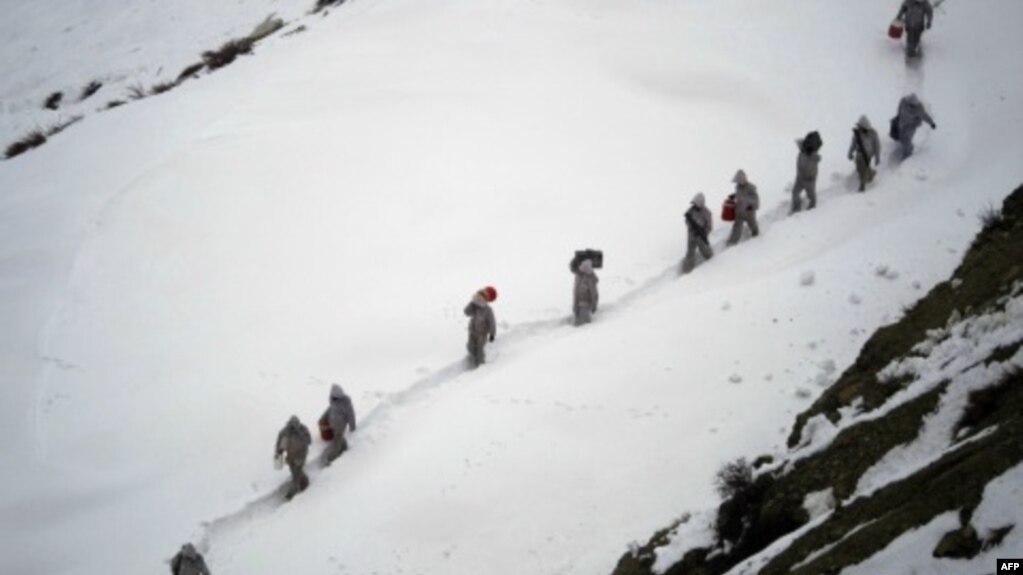
A massive avalanche suddenly swept over Pakistan’s Gayari military base, burying 129 soldiers and 11 civilians beneath the snow. Rescue operations continued for several months, but no survivors were found.
📍 Location: Les Diablerets, Switzerland
📅 Date: 1720
This tragic event was one of the largest avalanche disasters in Swiss history. A huge snow mass buried nearly all the homes in the village of Les Diablerets, claiming the lives of 84 people. For such a small settlement, the loss was catastrophic.
We must all understand that the forces of nature can affect our lives suddenly and unexpectedly. This is a subject that should never be considered embarrassing to ask about or study. Not knowing something is not a problem, but arrogance can have serious consequences.
Alongside their breathtaking cinematic beauty, mountains also possess a destructive side.
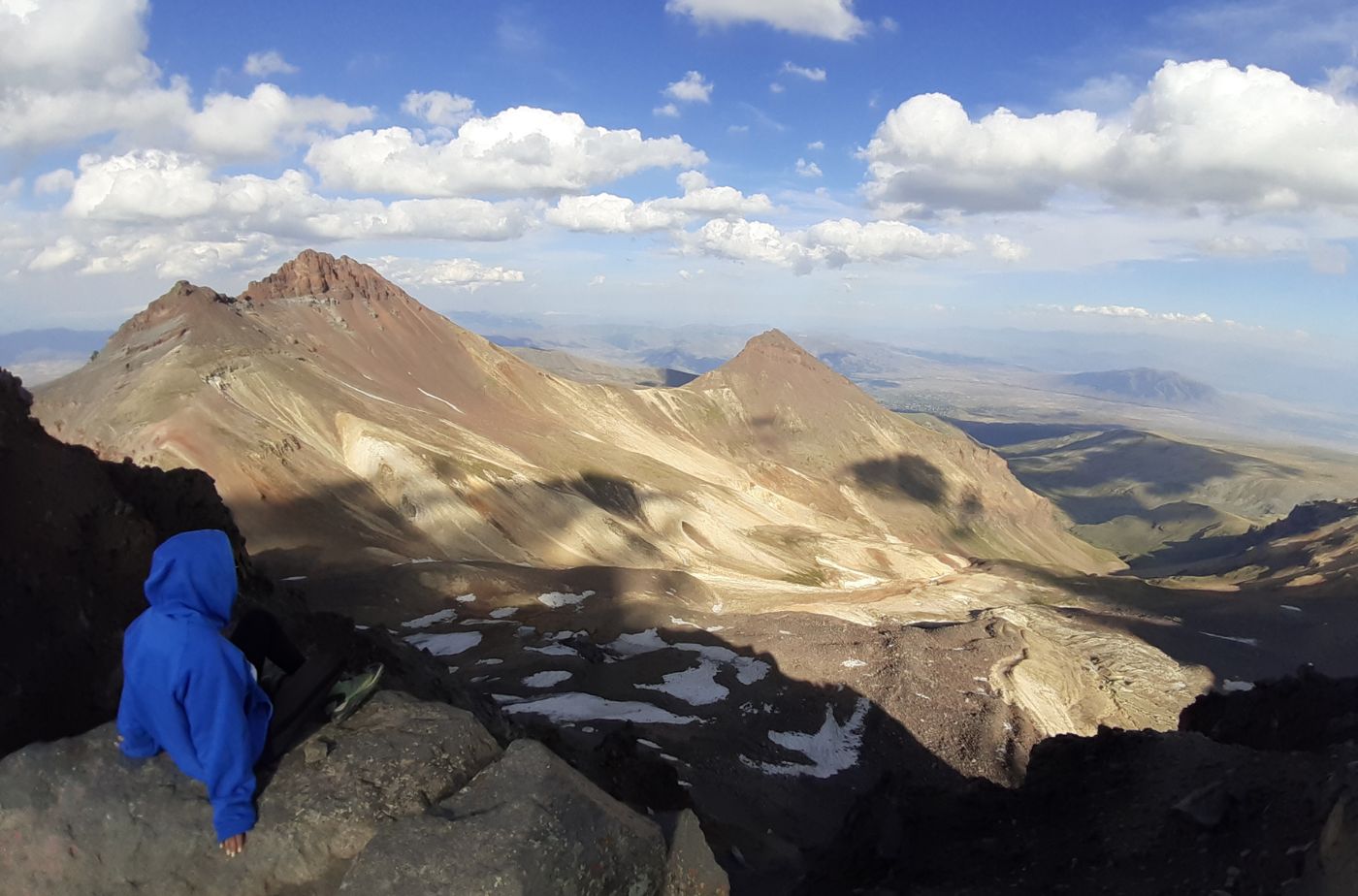
Ով կյանքում գեթ մեկ անգամ կշնչի լեռների թարմությունն ո
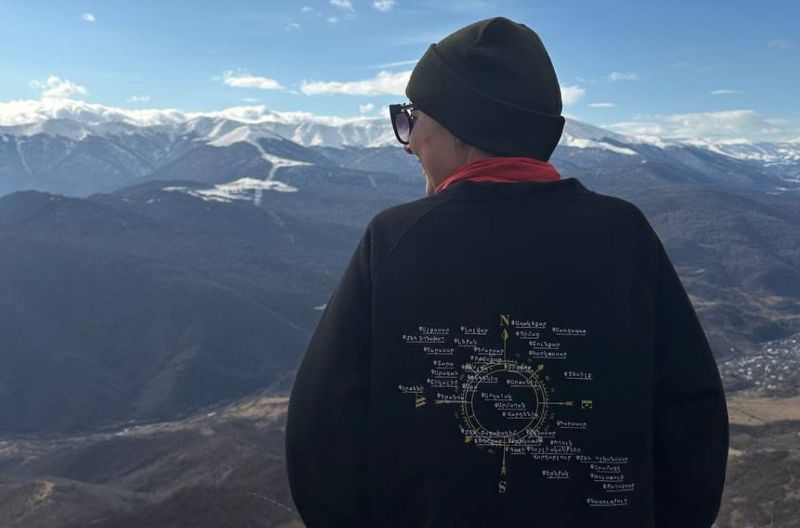
Have you ever wondered what you are truly wearing when you put on a hoodie or a t-shirt? It is never
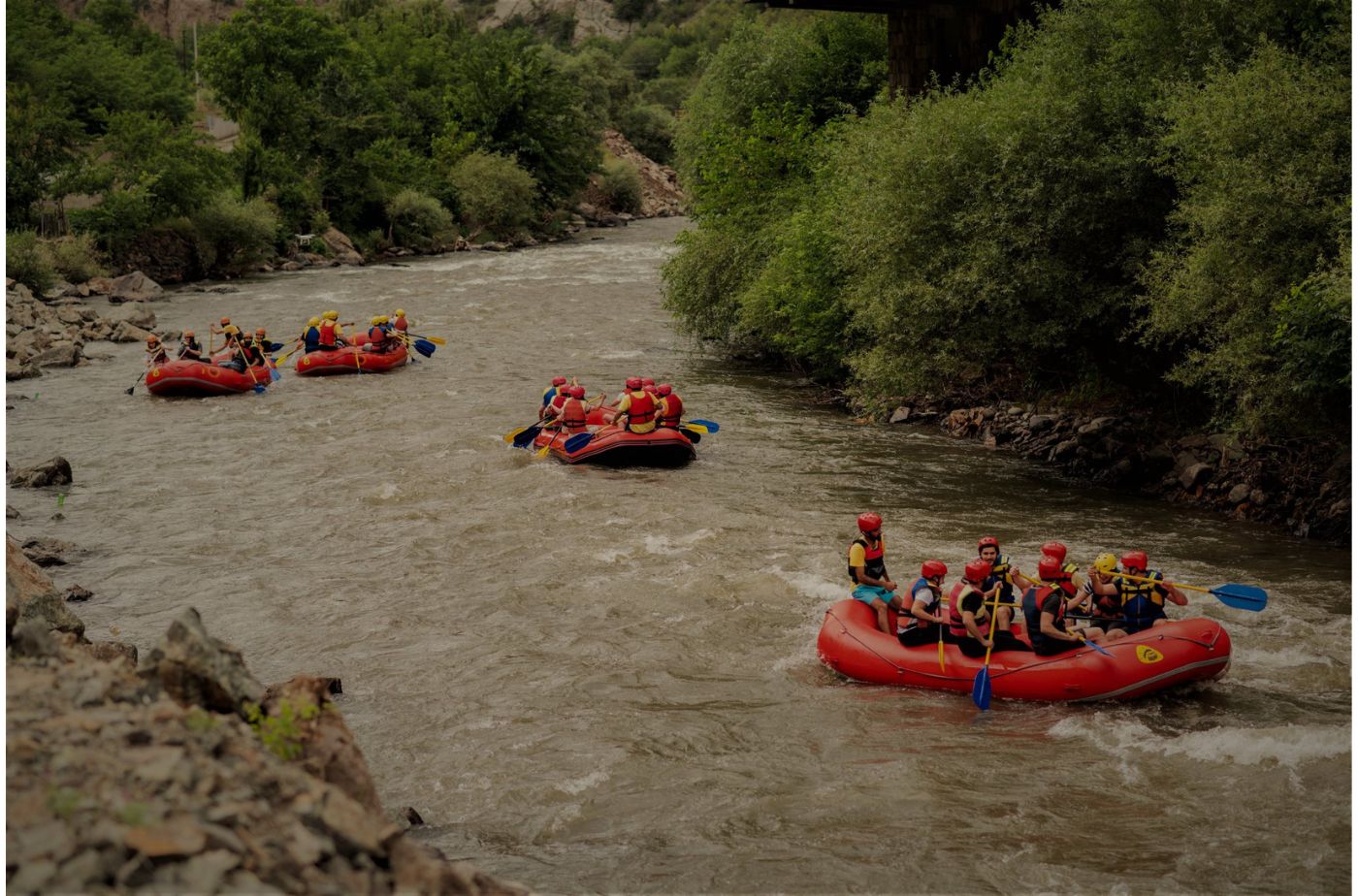
Դուրս եկանք գետ։ Թիավարում ենք առաջ, տեղ-տեղ ալիքներն ա