Jermuk Attractions in One Day. A Guide for Travelers
It is known that Marco Polo once passed through this region and wrote about how Armenians lived among hard to reach mountains. My journey began right from our yard. The driver readily agreed to pick me up directly from home.
One thing I know for sure is that traveling by regional taxi is like playing the lottery. Either you win or you do not. This time, I did not come across any lucky stones.
The seven seat car felt like a large and warm family, while I was a bit confused and a bit uncomfortable, like an uninvited guest. Everyone was from Jermuk. They knew each other to the seventh generation, were aware of one another’s worries, loan histories, installment amounts, who owed what to whom, and even who was upset with whom.
Along the way, I made another important discovery. A regional taxi does not only take you from one place to another, it also functions as an information center. They may not have a map, but they will gladly provide any other information you might need.
The minibus heading to Jermuk departs from the Kilikia bus station at 3:00 pm. The journey takes about three hours, and the fare is 3000 drams. Jermuk is located 170 kilometers from Yerevan.
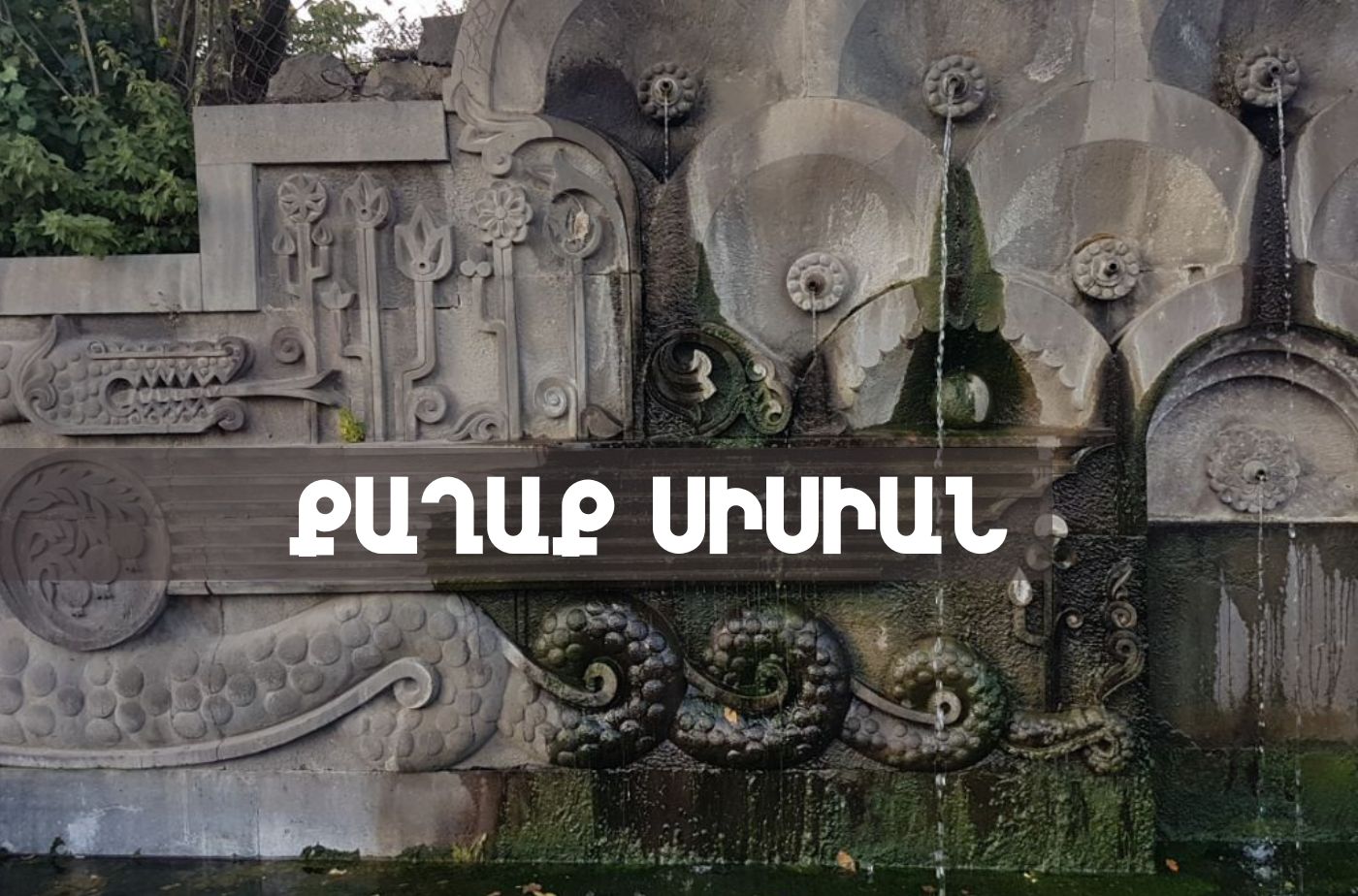
Drinking Gallery
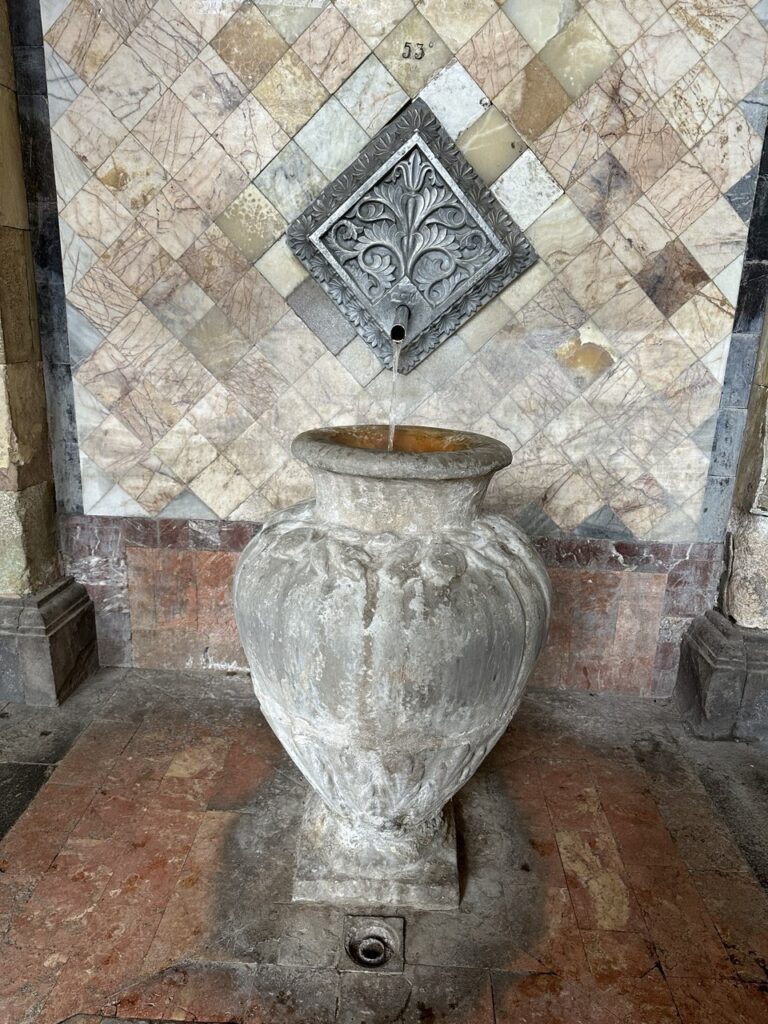
In my firm opinion, the first stop when visiting Jermuk should be the drinking gallery located in the city center. Here, mineral water flows from different taps depending on temperature. However, a small warning. Do not try to drink it in large gulps with a deep gaze and the enthusiasm of someone who has not seen water in days. The consequences can be very educational. But if you are curious, drink it and later you will understand what I mean.
I noticed something interesting. The drinking gallery seems to be connected to the childhood of every resident of Jermuk. Almost all locals tell stories of how, as children, they would come here in winter with wet, reddened hands, hold onto the taps to warm up, and then continue their games. This is not just a memory, but a warm one in the most literal sense of the word.
An Important Fact
In Jermuk, I learned one useful and unexpected fact. The smell of burnt coffee is a deadly enemy of mosquitoes. These long legged, long winged, long nosed creatures, as it turns out, are very complex and sensitive beings. They do not bite those they recognize, but they fiercely attack strangers.
It turns out that around twenty thousand species of mosquitoes are registered worldwide, while in Armenia there are only about twenty. Believe me, within one hour I managed to personally meet all twenty.
Our battle was persistent. My weapons were the smell of coffee and indifference. They were maneuvering, noisy, and stubborn. When even the last hope of moral victory faded, I accepted the truth. I was in their territory, living by their rules.
Jermuk Ropeway
The Jermuk ropeway, with a ticket price of 1500 drams per person, is something you simply cannot skip when you are here. The ascent is magnificent, far more than just a ride uphill. Imagine looking at the entire city from above. Standing there, you understand why locals love their city and why the ropeway has become one of the symbols of Jermuk.
Հաջողության գաղտնիք
One of the secrets of a successful journey is who you meet along the way and how useful that person turns out to be. Sometimes a fellow traveler can be more useful than a map, or on the contrary, more confusing than the last sip of your coffee.
Before setting off, it is worth asking yourself whether you are going to collapse into a hotel bed and listen to the same music on repeat, or something else entirely. If it is the second option, be ready not only for views, but also for random encounters, mosquitoes, well informed drivers, and unexpected stories.
Vayots Dzor is an ideal place for all of this. Every region has its own charm, but here that charm seems to exist in abundance. I have already managed to see several places. Let me tell you about them.
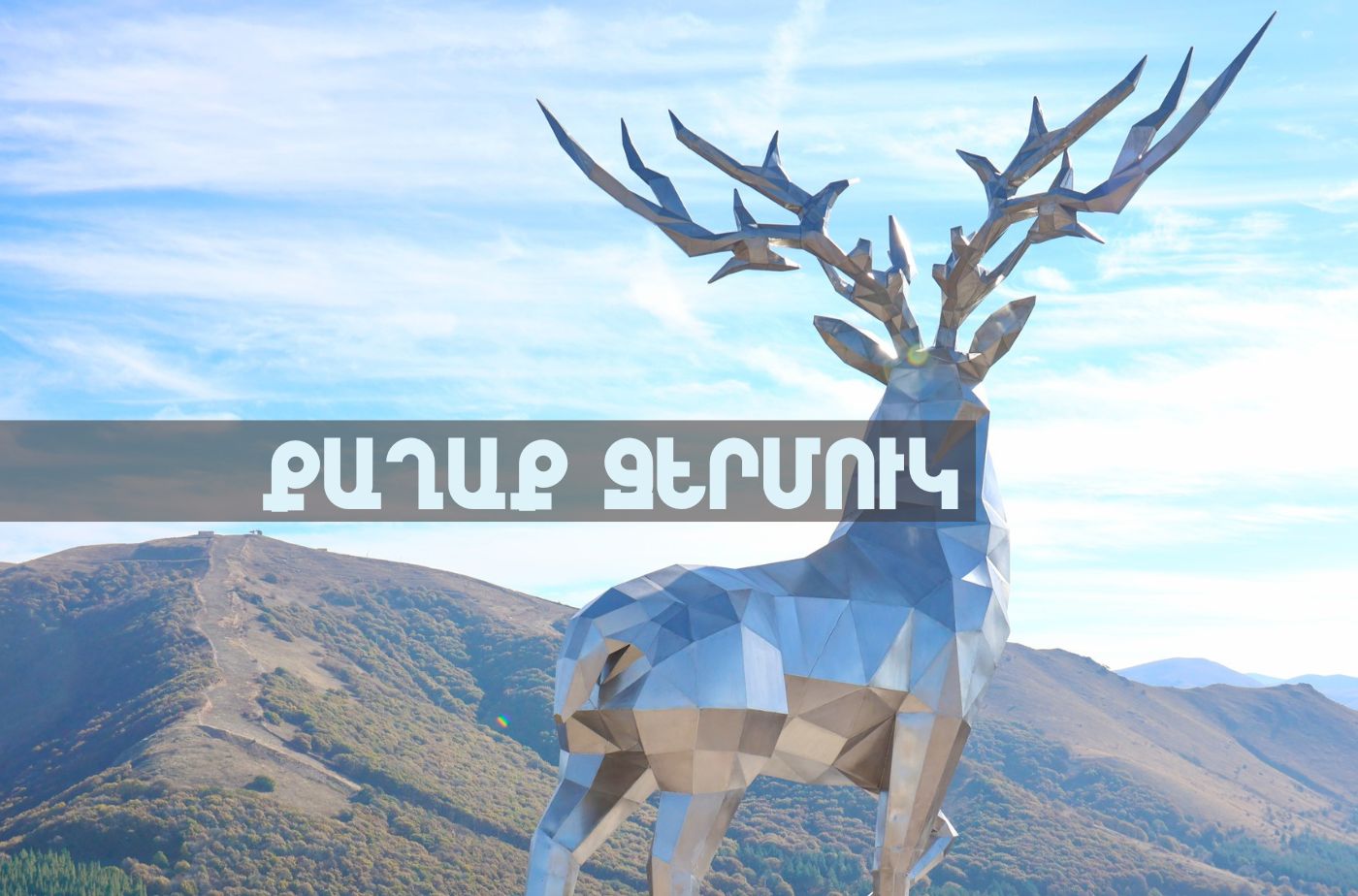
The Deer. Symbol of Jermuk
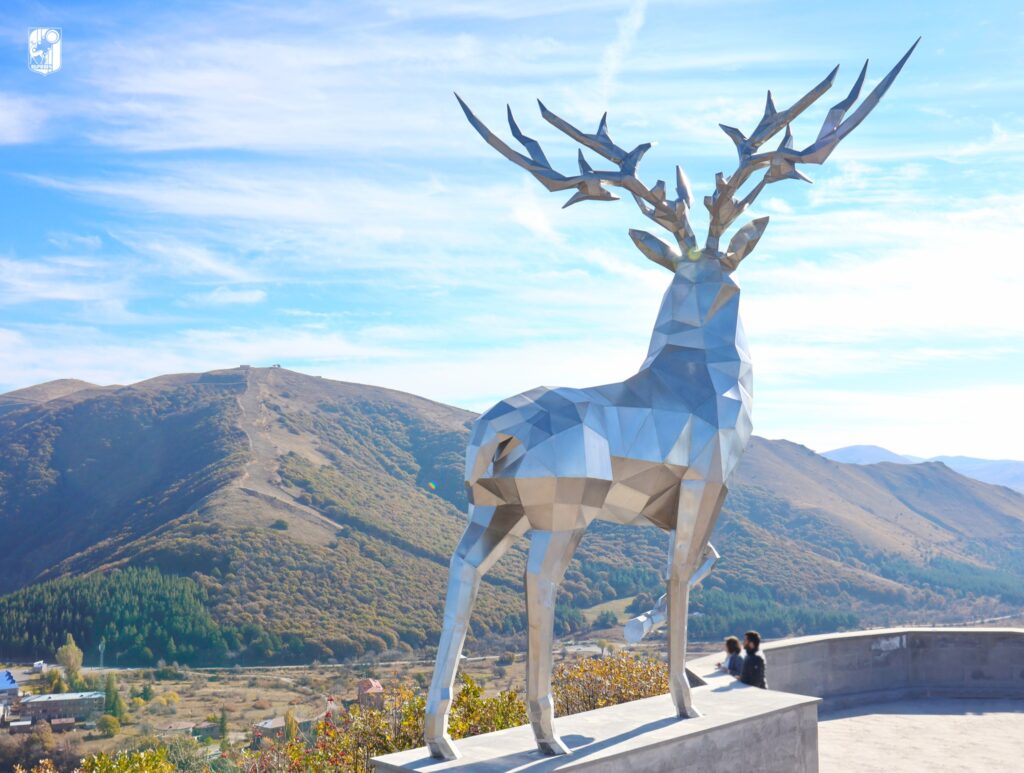
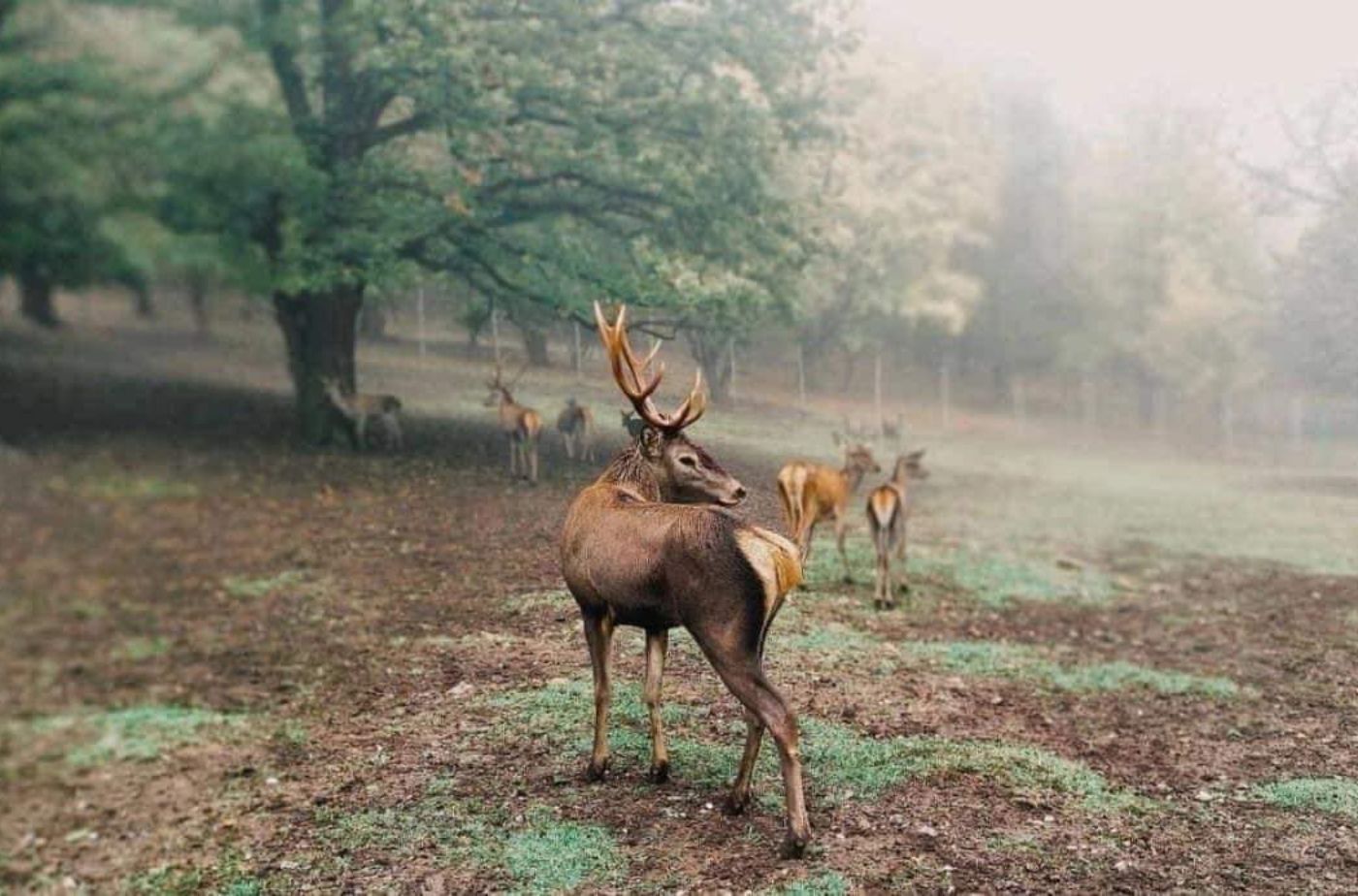
Coming to Jermuk and not climbing up to the deer is a mistake no local will ever forgive. If you decide to go, I recommend doing it late in the evening. Why? Because nighttime Jermuk is a completely different story. You do not search for picturesque places here, they are everywhere. But it is at night that you begin to discover the city’s other face, calm, mysterious, and a little fairy tale like.
According to legend, a hunter shoots a deer. The wounded animal gathers its last strength, runs toward the mineral springs, and jumps into the water. Before the hunter’s eyes, a miracle happens. The deer emerges from the water completely healed. From that day on, the healing properties of Jermuk’s waters become known to the world, and the deer becomes the symbol of the city.
Let me add more. Being near the deer statue is not at all hindered by a glass of wine. On the contrary, the story becomes more vivid, emotional, and slightly humorous. After one glass, I imagined how the hunter decisively gives up hunting, founds the Deer brand, and devotes the rest of his life to promoting mineral waters. The deer, in turn, continues to live in history as a brand symbol.
Jermuk National Gallery
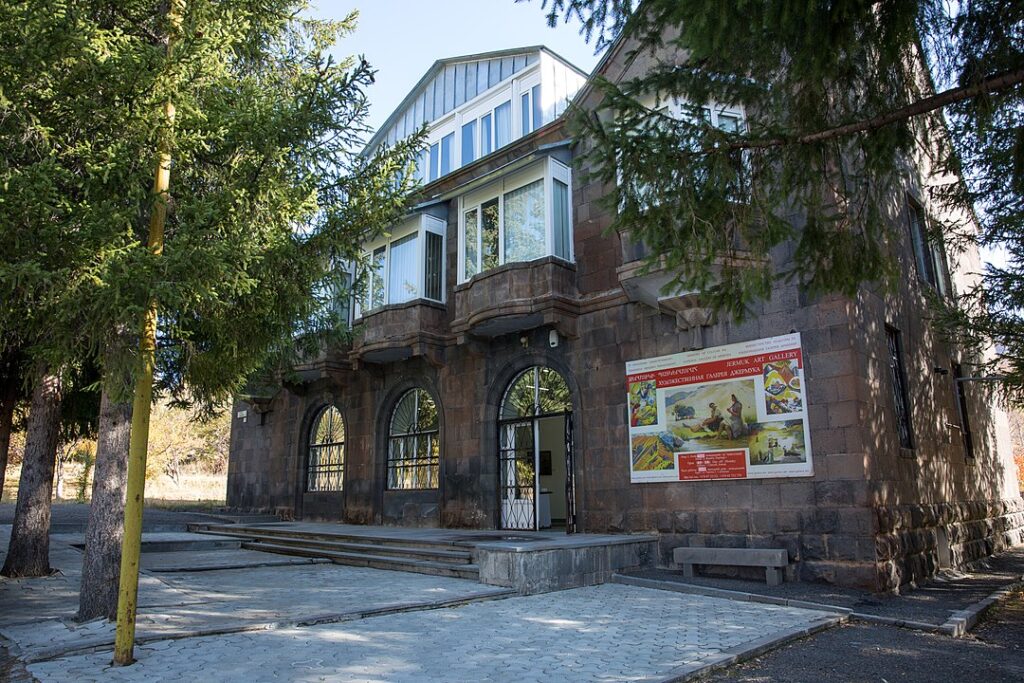
The Jermuk National Gallery is one of the eleven branches of the National Gallery of Armenia and presents Armenian art from the 1950s to the present day in greater depth. The collection is diverse and includes paintings, sculptures, ceramics, and more. Among them are works by renowned masters Martiros Saryan, Vahram Gaifeshyan, and Hakob Hakobyan.
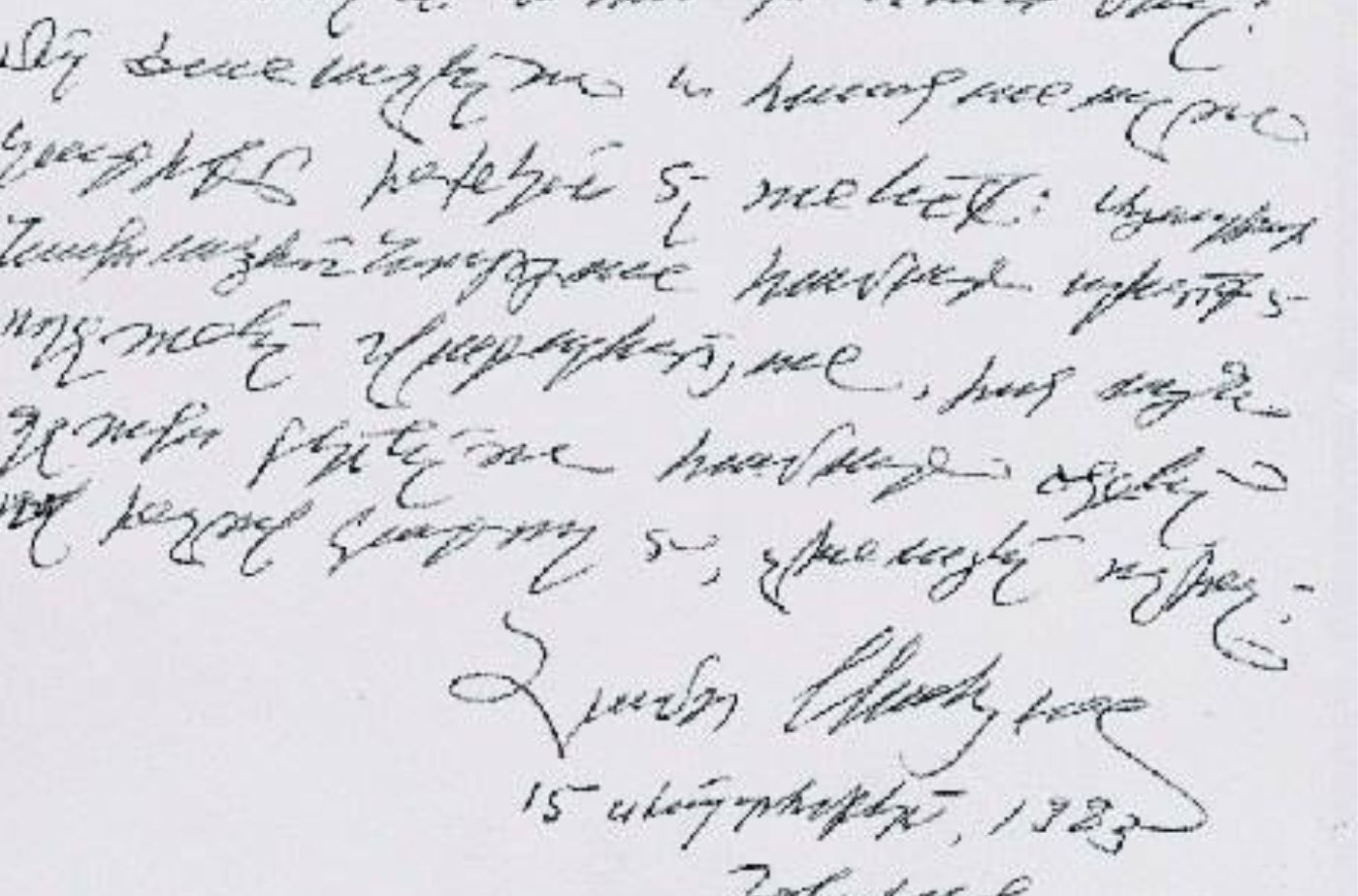
Unique pieces in the collection include the symbolic portrait of Paruyr Sevak by Sargis Muradyan and a rock fragment engraved with the word Sun by the Armenian American writer and playwright William Saroyan during his visit to Jermuk.
The gallery is open from Tuesday to Sunday from 10:30 am to 5:30 pm. Advance registration is required for guided tours. The tour fee is 3000 drams in Armenian or Russian. Entrance tickets cost 1000 drams for general admission and 500 drams for students, pupils, and pensioners. Admission is free for children under twelve.
Cone Jam and Herbs
While walking through Jermuk, do not forget to taste and buy delicious local gifts. In the city center, you will find several vendors offering traditional rosehip jam, homemade pine cone jam, dried fruits, and aromatic herbs. All of these come from the surrounding local forests.
Jermuk Waterfall or Mermaid’s Hair
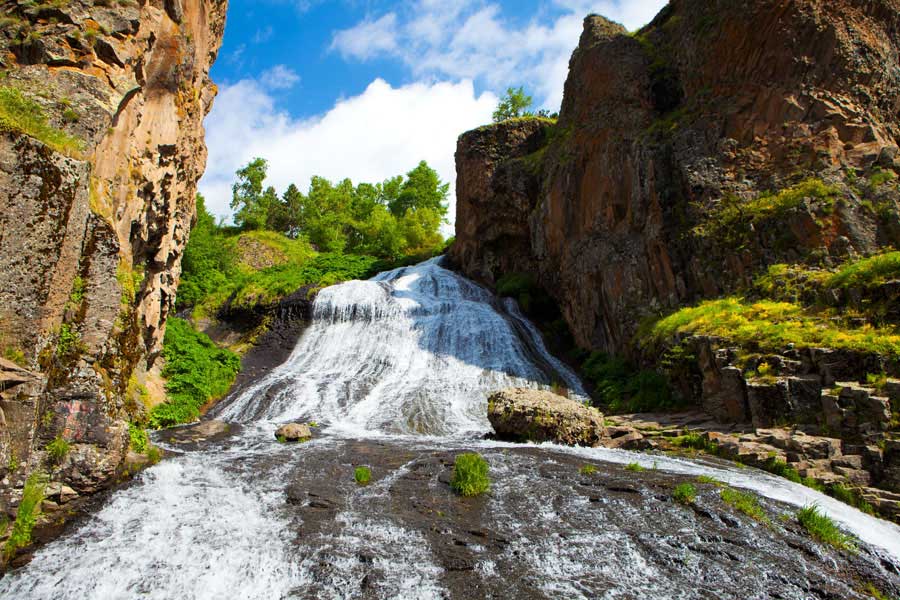
The Jermuk waterfall, known by locals as Mermaid’s Hair, is one of those sights you should see at least once with your own eyes to appreciate not only its grandeur and beauty, but also the magic that fills the entire surroundings.
This hair like waterfall is considered one of Jermuk’s wonders. Legends about it have been told since ancient times. According to tradition, long ago, a prince’s castle stood atop the sheer cliffs above the waterfall. The prince had a daughter of incredible beauty, whose hand was sought by suitors from all over the world. But she rejected them all, as her heart belonged to a shepherd, young, modest, and full of love.
Every midnight, the girl lowered a long rope from her bedroom window into the gorge, allowing the young man to climb up to her. One day, the prince discovered the rope and uncovered the secret. Filled with rage, he cursed his daughter, saying that if she ever saw the young man again, she would become a mermaid and never leave the water.
They were so devoted to each other that nothing could stop them. That night, instead of the rope, the beauty let down her long and magnificent hair from the cliff. At the moment the young man climbed up, her father’s curse came true. The girl turned into a mermaid, and her hair, finding a continuation of life, transformed into the magnificent waterfall that is still called Mermaid’s Hair today.
Arch of Dreams
Like any slightly superstitious person, or simply as a woman whose curiosity sometimes overcomes logic, I decided to visit the Arch of Dreams.
Many confidently claim that dreams come true here. At this moment, I will be honest. Not a single dream has rushed to come true yet. But that is fine. After all, this is one of those places that is worth seeing regardless of any magical properties. The nature is enchanting, the view looks like it came straight off a postcard, and without noticing, you begin to say your wish out loud, hoping a gentle breeze might carry it to the right place.
Jermuk House of Culture
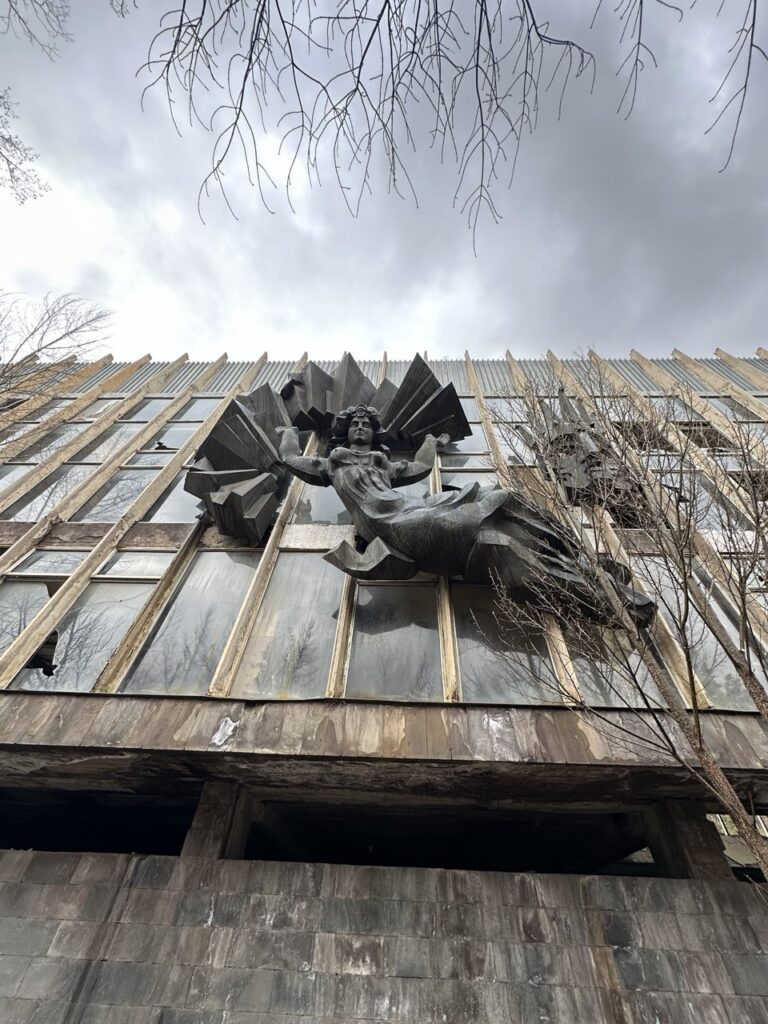
I personally enjoy traveling through the regions and especially love finding myself in abandoned places. In almost every journey, I spend the longest time in such locations. Where everything seems finished, life somehow continues to breathe.
The Jermuk House of Culture, with its former cinema hall, swimming pool, library, ruined walls, and cracked floors, is both deserted and alive. It carries the breath of the past, and its unique aura seems not to fade.
Interestingly, this very abandoned building once briefly became the cultural face of Armenia on international platforms. Busts of great figures are preserved here. Aram Khachaturian, Komitas, Hovhannes Tumanyan, and Paruyr Sevak stand in silence, yet even in silence there is something to say.
It is worth walking through this space slowly, without haste, without speaking, simply listening to what the past is telling.
Jermuk Geyser
The off road adventure continued the next morning. This time, the destination was the place locals call the Jermuk geyser.
I already knew the driver, Vlad. We had spent several hours talking earlier in the month when I was in Jermuk on a work visit. This time, as I was heading to the pharmacy, he noticed me from his car, but as he said, at first he did not believe his eyes. We agreed to have morning coffee in nature’s embrace and went to a place where immortal water flows.
The road was extreme, with warning signs and rocky turns, but we made it. We were greeted by the flow of warm mineral water, unbelievably clean air, and heartfelt coffee prepared by Vlad himself. I felt shy to say that I do not drink coffee. I silently took the cup and enjoyed the moment.
Gndevank. The Jewel of Vayots Dzor
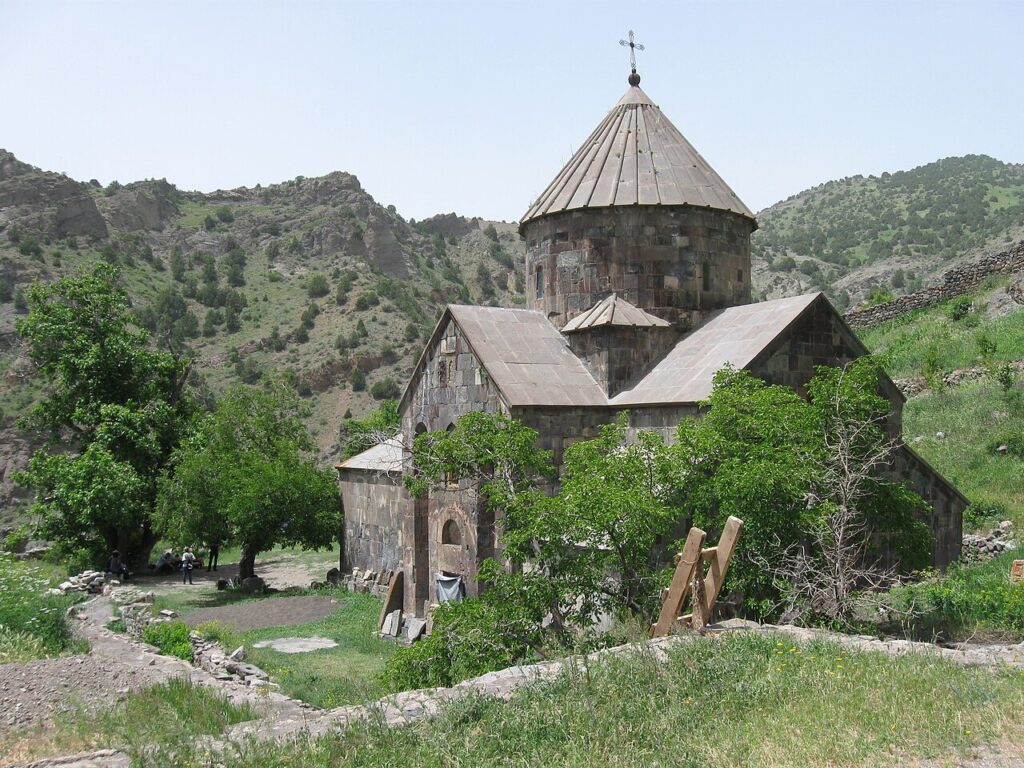
They say Vayots Dzor was a golden ring, and Gndevank is its gem. It was built in 936 by Sophia, the wife of Prince Smbat of Syunik. She proudly declared, “I built this and set it like a gem.”
The monastery is located slightly above the village of Gndevaz, embraced by mountains. It is accessible both by car and on foot. The final few kilometers pass through a picturesque gorge, sometimes rocky, but fully passable.
Here you will find a tenth century cross shaped church with a dome and traces of frescoes, a gavit built in 999 with a simple yet powerful architectural language, a walled area with remnants of the monastic complex, numerous inscriptions, carvings, and stones carrying the history of the temple, and legends you can later tell your friends.
For lovers of legends, there is one story. A young prince asked for the hand of Sophia, the beautiful daughter of Prince Smbat of Syunik. She said she would agree only if the prince took part in a competition and defeated her. The condition was that the prince must build a canal from the Vorotan River to Vayots Dzor in forty days, while Sophia would build a monastery in the same time. On the thirty ninth day, the prince hears that Sophia is about to finish the monastery. On his father’s advice, he hangs a white cloth from a cliff so that the wind would wave it, creating the illusion that the canal was already complete. Sophia was indeed close to finishing, but her strength was exhausted, and to place the stones of the dome she sold her earrings. At that moment, she learns that the canal is supposedly finished. She looks at the cloth hanging from the opposite cliff, which from afar looked like a waterfall. In despair, she throws herself into the abyss. From that day on, the monastery is called Gndevank.
A tip from locals. In the village of Gndevaz, you will find welcoming guesthouses, sour matzoon, traditional regional dishes, and warm stories. If you have time, stay overnight. Gndevank is not only a place to see, but a place to feel.
The main photo is courtesy of the Jermuk Municipality.