MuseumsThe Creator of Death Masks: The Merkulov House-Museum

The Creator of Death Masks: The Merkulov House-Museum
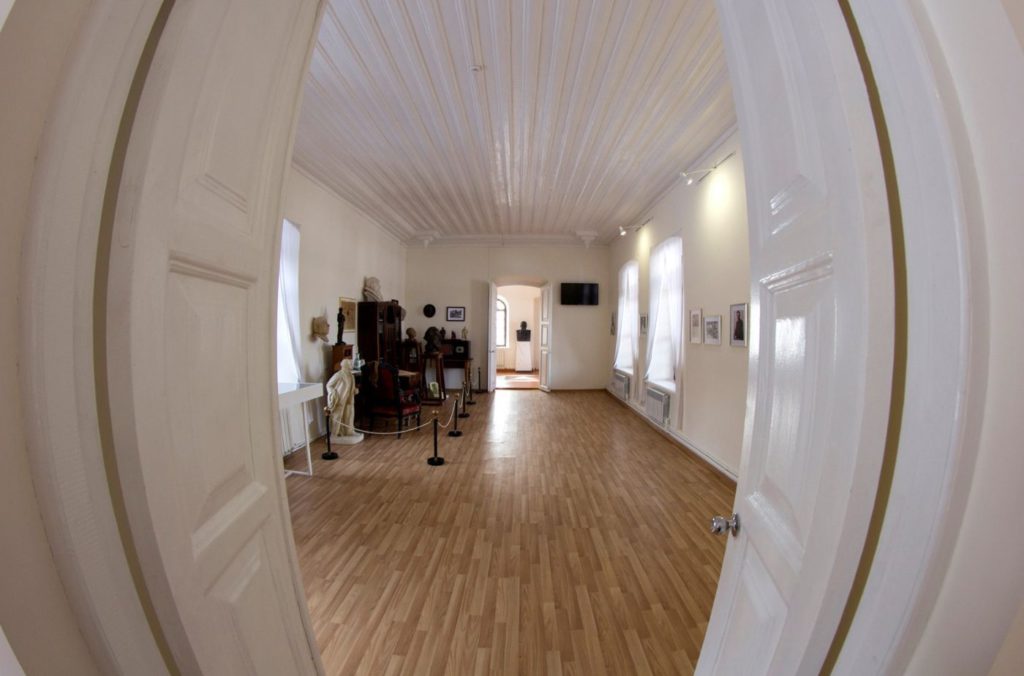
The house I am about to tell you about is truly one of a kind in the entire world.

From the northern façade, you can admire its wrought-iron gate, while the western façade features a wooden open balcony, a distinctive element of Alexandropol’s architectural style.

The house was built in 1869 by the grandfather of the renowned sculptor Sergey Merkurov, and it later became the Merkurov House-Museum.

Merkulov House-Museum

At first, you may feel a sense of unease—then admiration will take its place. You are not in a horror film, but in the house-museum of the gifted sculptor Sergey Merkurov.

His European education and exceptional talent made Sergey Merkurov one of the most sought-after sculptors of the Soviet era. However, recognition did not come to him immediately.

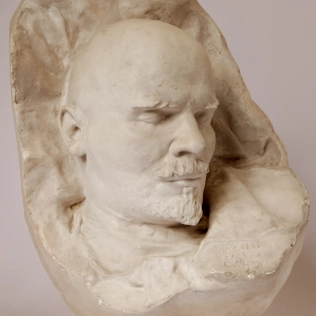
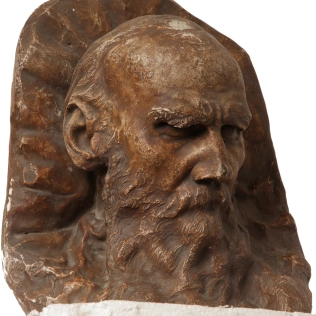
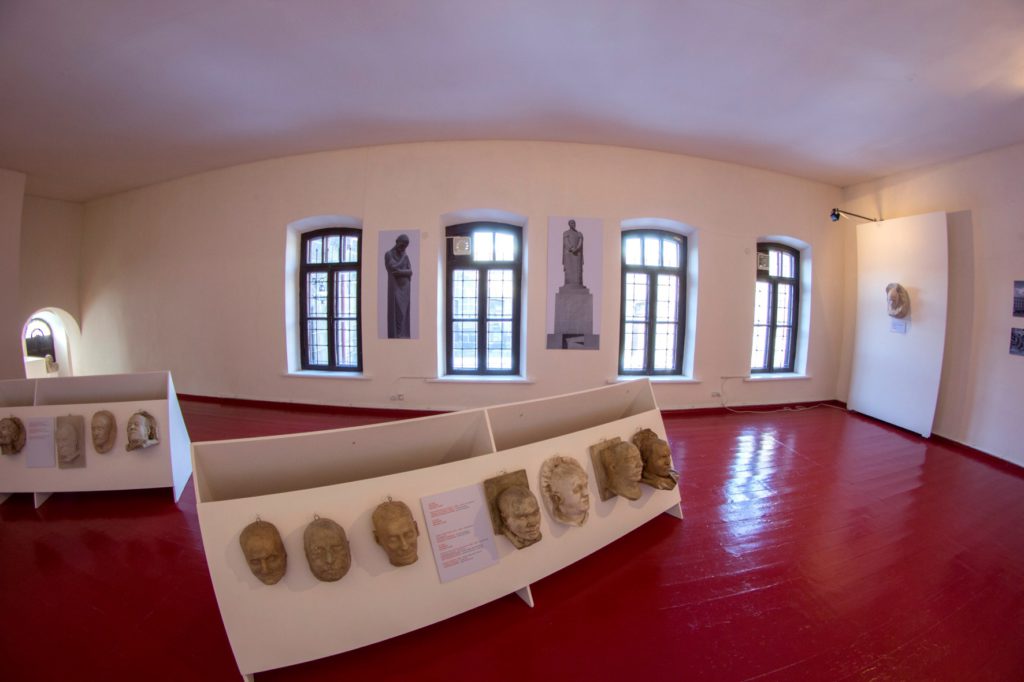
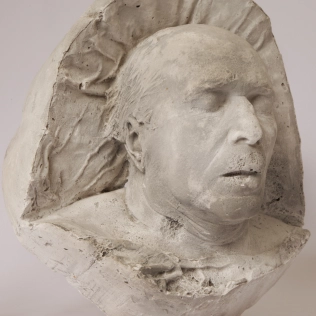
Merkurov became especially famous for creating death masks. Throughout his career, he produced nearly 300 death masks. Most of these commissions came after he created the death mask of Vladimir Lenin, the leader of the world proletariat.

What You Should Know

  • Admission: 1,000 AMD.
  • Opening hours: 11:00 AM – 5:00 PM.
  • Closed: Mondays.
  • The museum building is attached to the neighboring Dzitoghtsyan House, which today houses the Museum of National Architecture and Urban Life of Gyumri.
  • The museum preserves the death masks of Leo Tolstoy, Hovhannes Tumanyan, Vladimir Lenin, and Vladimir Mayakovsky.
  • In addition to death masks, Merkurov also created casts of hands. His first such work was of Leo Tolstoy—while making Tolstoy’s death mask, he also took plaster casts of his hands.
  • Merkurov was the creator of the death masks of nearly every prominent figure of his time, including Valery Bryusov, Mikhail Bulgakov, Maxim Gorky, Felix Dzerzhinsky, Vladimir Mayakovsky, Georgy Plekhanov, Mikhail Frunze, Clara Zetkin, and many others.
  • A significant role in Merkurov’s career was played by Anatoly V. Lunacharsky, the People’s Commissar for Education, who became the sculptor’s principal patron during the early years of Soviet rule.
  • The sculptor’s family home survived numerous hardships, including the devastating earthquake that struck the city.
  • In 1950, as the sole heir to his ancestral home, Merkurov donated the house to the city.
Instagram
Հետևեք ինձ