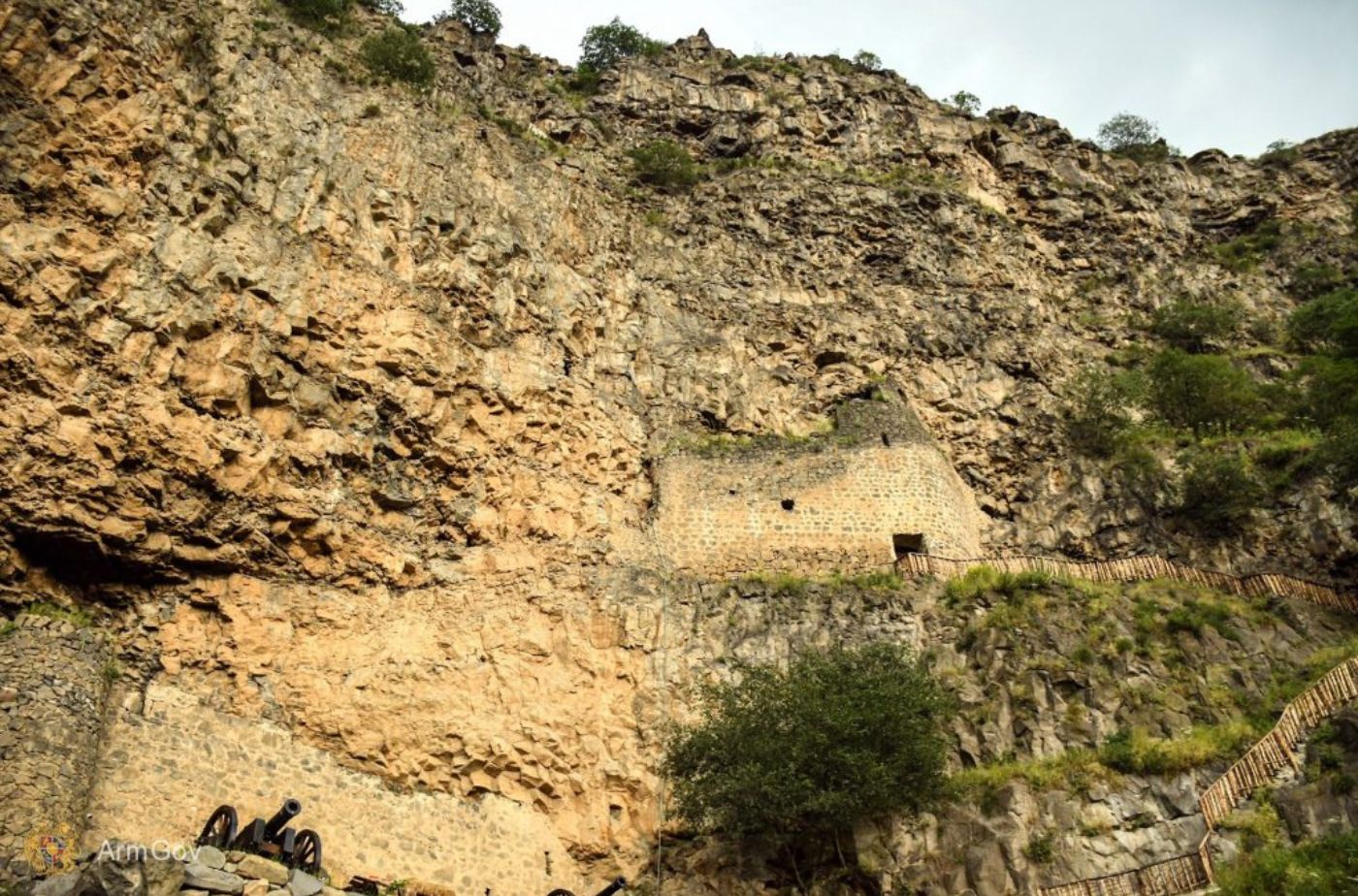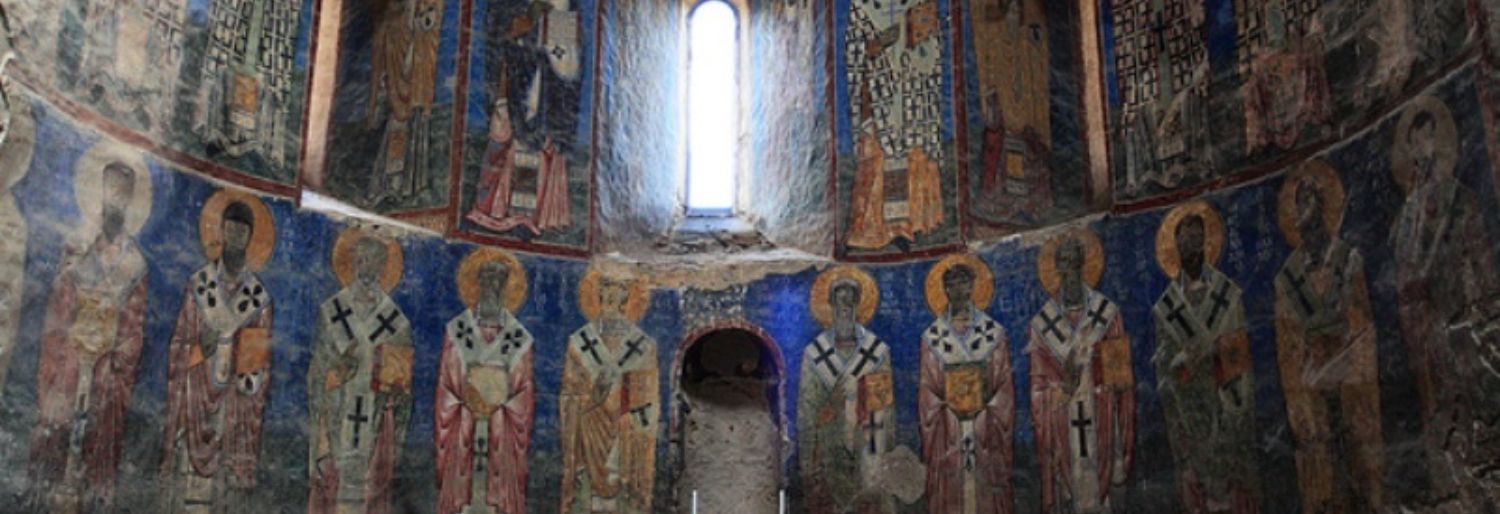

Լոռու մարզը գտնվում է Հայաստանի Հանրապետության հյուսիսային մասում։ Մարզի անվանումը կապվում է «լոռ» բառի հետ, որը հայերենում նշանակում է լեռնային անտառապատ կիրճ կամ ձոր։ Լոռին պատմականորեն հայտնի է եղել որպես Գուգարք աշխարհի մի մաս՝ Մեծ Հայքի հյուսիսային սահմանամերձ գավառ։
Մարզի տարածքով հոսում են Դեբեդ և Փամբակ գետերը, որոնք ձևավորել են խորը կիրճեր ու գեղատեսիլ բնատեսարաններ։ Դեբեդի կիրճը հատկապես հայտնի է իր վանական համալիրներով և բնության եզակի գեղեցկությամբ։
Լոռու մարզի Վանաձոր քաղաքը Հայաստանի երրորդ խոշոր քաղաքն է։ Սովետական շրջանում այն կրել է Կիրովական անվանումը, սակայն 1992 թվականին վերանվանվել է Վանաձոր՝ վերադառնալով իր պատմական արմատներին։
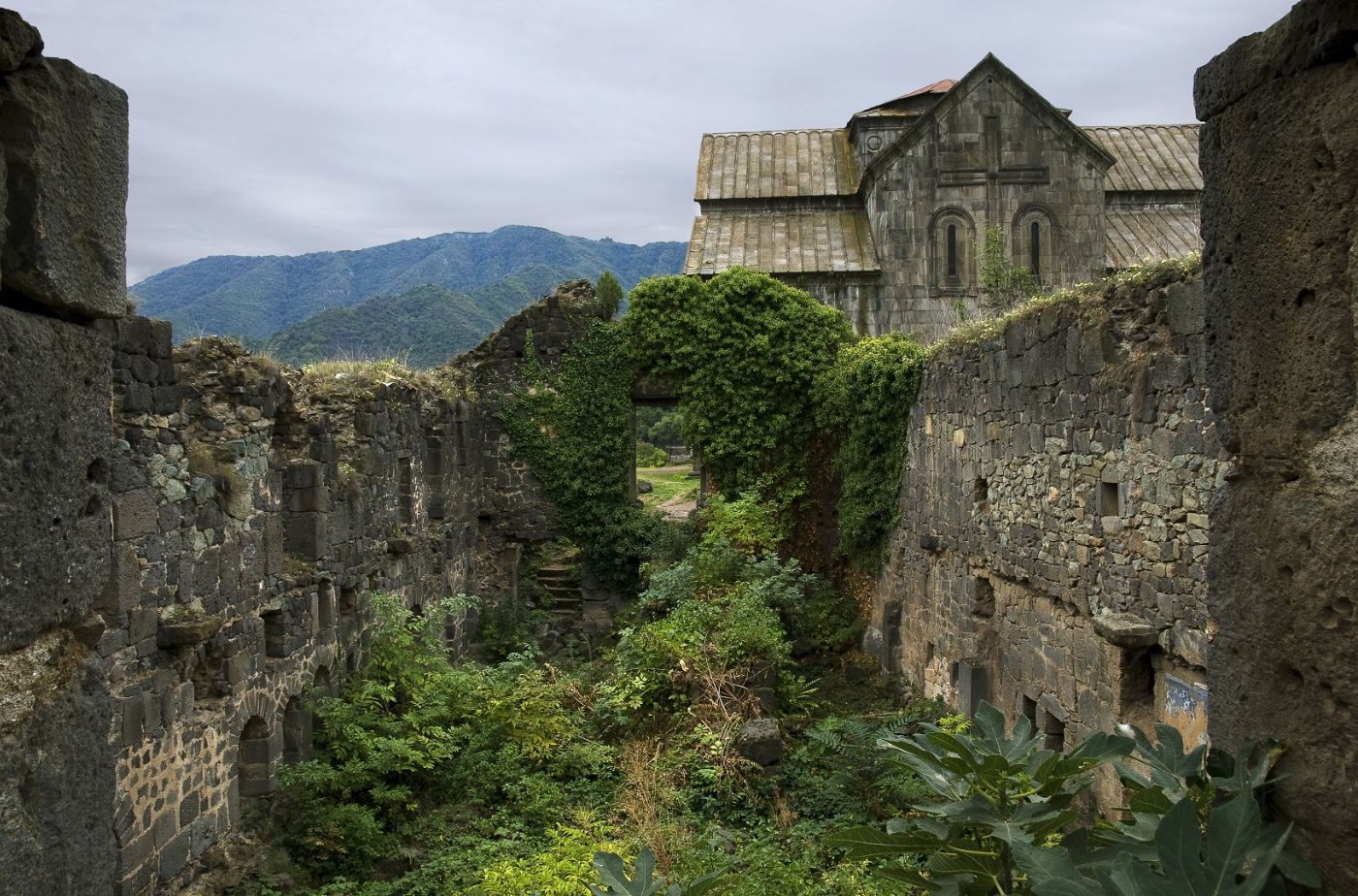
Լոռին աչքի է ընկնում նաև հարուստ մշակութային ժառանգությամբ և պատմական անցյալով, որի մասին վկայում են տասնյակ վանքերը, բերդերը, ամրոցներն ու հուշակոթողները։ Պատմամշակութային ինքնատիպ հուշարձանների բազմազանությունը որոշակիորեն պայմանավորված է այն հանգամանքով, որ 10-12-րդ դարերում այստեղ գոյություն է ունեցել անկախ հայկական պետականություն՝ ի դեմս Լոռու կամ Տաշիր-Ձորագետի թագավորության։ Մարզն աչքի է ընկնում նաև ազգաբնակչության էթնիկ կազմի բազմազանությամբ: Այստեղ կան հունաբնակ և ռուսաբնակ բնակավայրեր: Առանձնակի տեղ ունեն մոլոկանները, ովքեր լինելով էթնիկ ռուսներ, առանձնանում են ինքնտիպ կրոնապաշտամունքային պատկերացումներով, մշակույթով ու կենցաղավարությամբ:
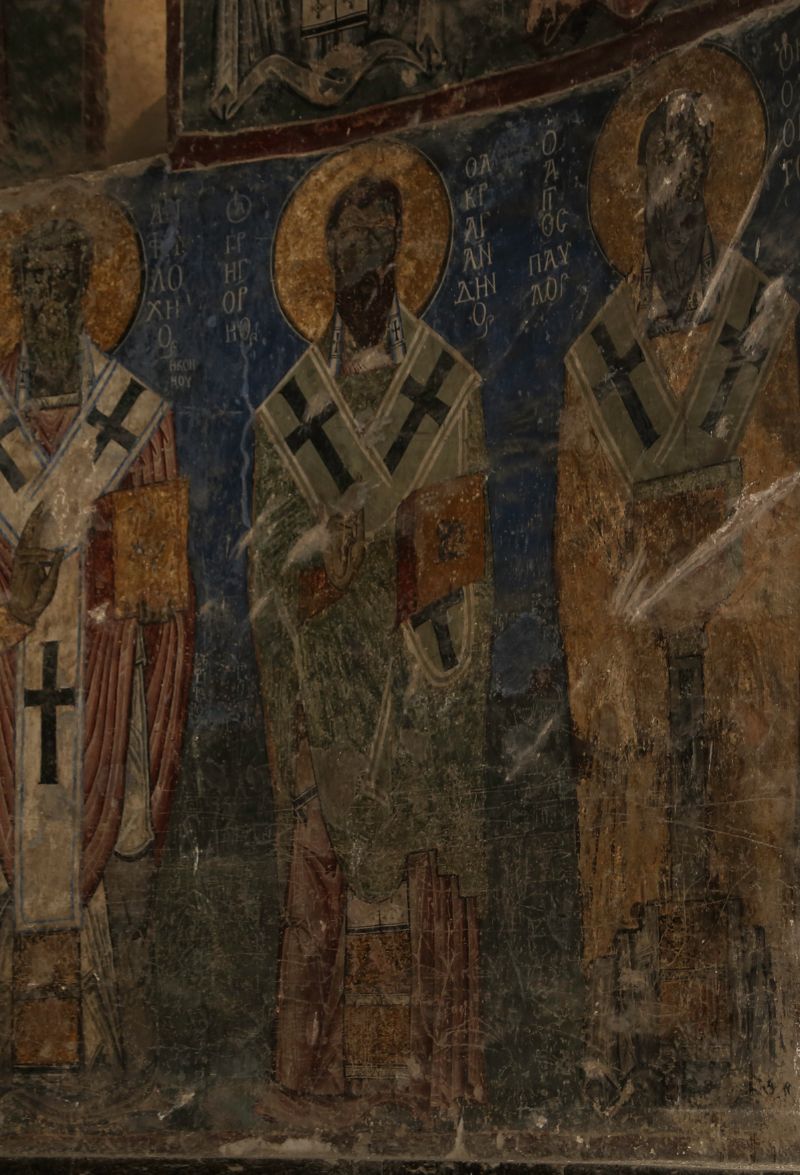
Լոռու մարզը Հայաստանի ամենահարուստ վանական ժառանգությամբ շրջաններից է։ Դեբեդի կիրճում կենտրոնացված են միջնադարյան ճարտարապետության ամենաբացառիկ նմուշները, որոնք ՅՈւՆԵՍԿՕ-ի Համաշխարհային ժառանգության ցանկում են։
Մարզը հատկապես հայտնի է երկու հուշարձաններով՝
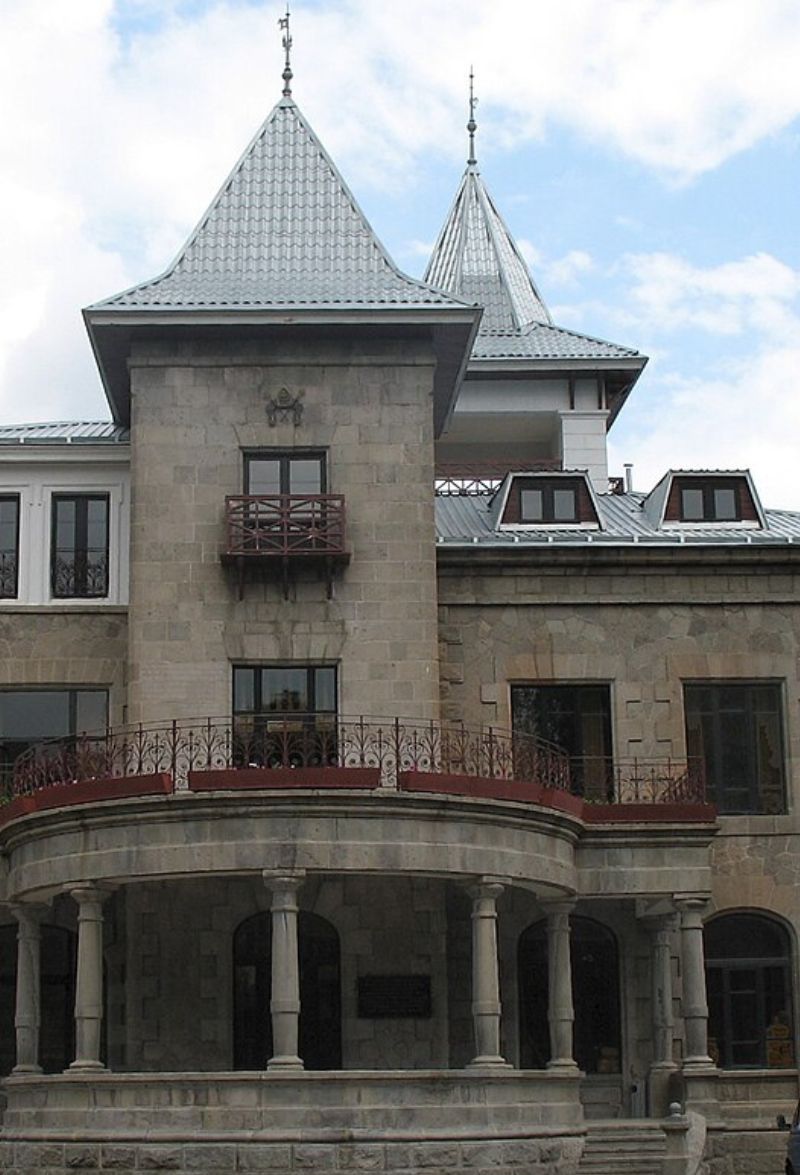
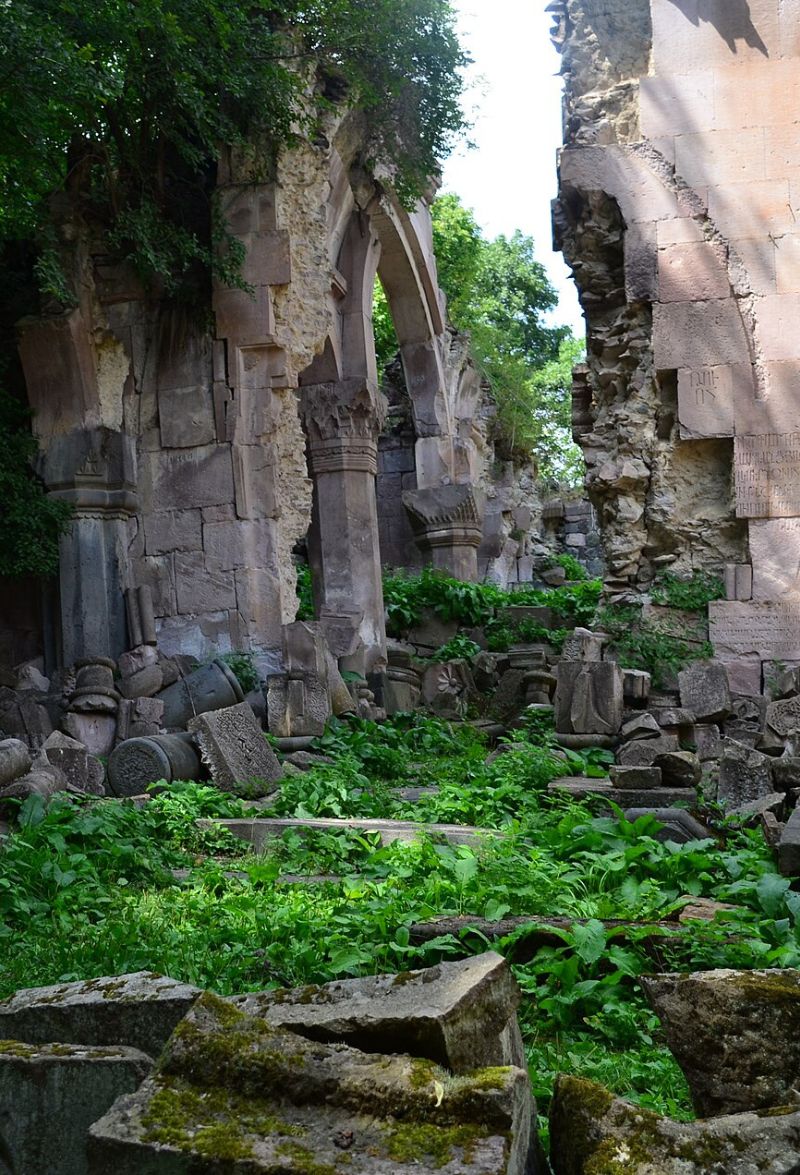
Երևանից Լոռու մարզ հասնելը հեշտ է ու բազմազան տարբերակներով՝ կախված ձեր նախասիրությունից ու ճանապարհային տրամադրությունից։ Ճանապարհը սովորաբար տևում է 2–3 ժամ՝ բացելով Հայաստանի ամենականաչ ու լեռնային անկյուններից մեկը։
Ամենատարածված տարբերակը երթուղայիններն ու ավտոբուսներն են, որոնք շարժվում են Հյուսիսային ավտոկայանից (Առինջի մոտ) և Կիլիկիա ավտոկայանից։ Այստեղից կարող եք ուղիղ հասնել դեպի Վանաձոր, Ստեփանավան կամ Ալավերդի։ Ուղևորությունը դեպի Վանաձոր տևում է մոտ 2 ժամ, իսկ արժեքը՝ շուրջ 800–1200 դրամ։
Եթե նախընտրում եք ավելի հանգիստ և դիտարժան տարբերակ, կարող եք օգտվել գնացքից, որը մեկնում է Սասունցի Դավիթ կայարանից։ Թեև ճանապարհը ավելի երկար է՝ մոտ 4.5 ժամ, այն փոխարենը թույլ է տալիս վայելել բնության խաղաղ ընթացքը։
Ավելի արագ և հարմար տարբերակ են անհատական տաքսիները՝ թե՛ հավելվածների միջոցով, ինչպիսիք են Yandex Go և GG, թե՛ ավտոկայանների մոտից «տեղով» տարբերակները։
Իսկ եթե սիրում եք ճանապարհը ինքնուրույն բացահայտել, սեփական մեքենայով կարող եք ընտրել երկու հիմնական ուղղություններից մեկը․ կամ անցնել Աշտարակով և Ապարանով (Մ3 մայրուղի), կամ գնալ Սևանով և Դիլիջանով (Մ4 մայրուղի և Մ6 մայրուղի)։ Մոտ 130 կմ ճանապարհը այստեղ արդեն դառնում է ոչ թե պարզապես տեղ հասնելու միջոց, այլ մի գեղեցիկ անցում դեպի Լոռու կանաչ աշխարհ։
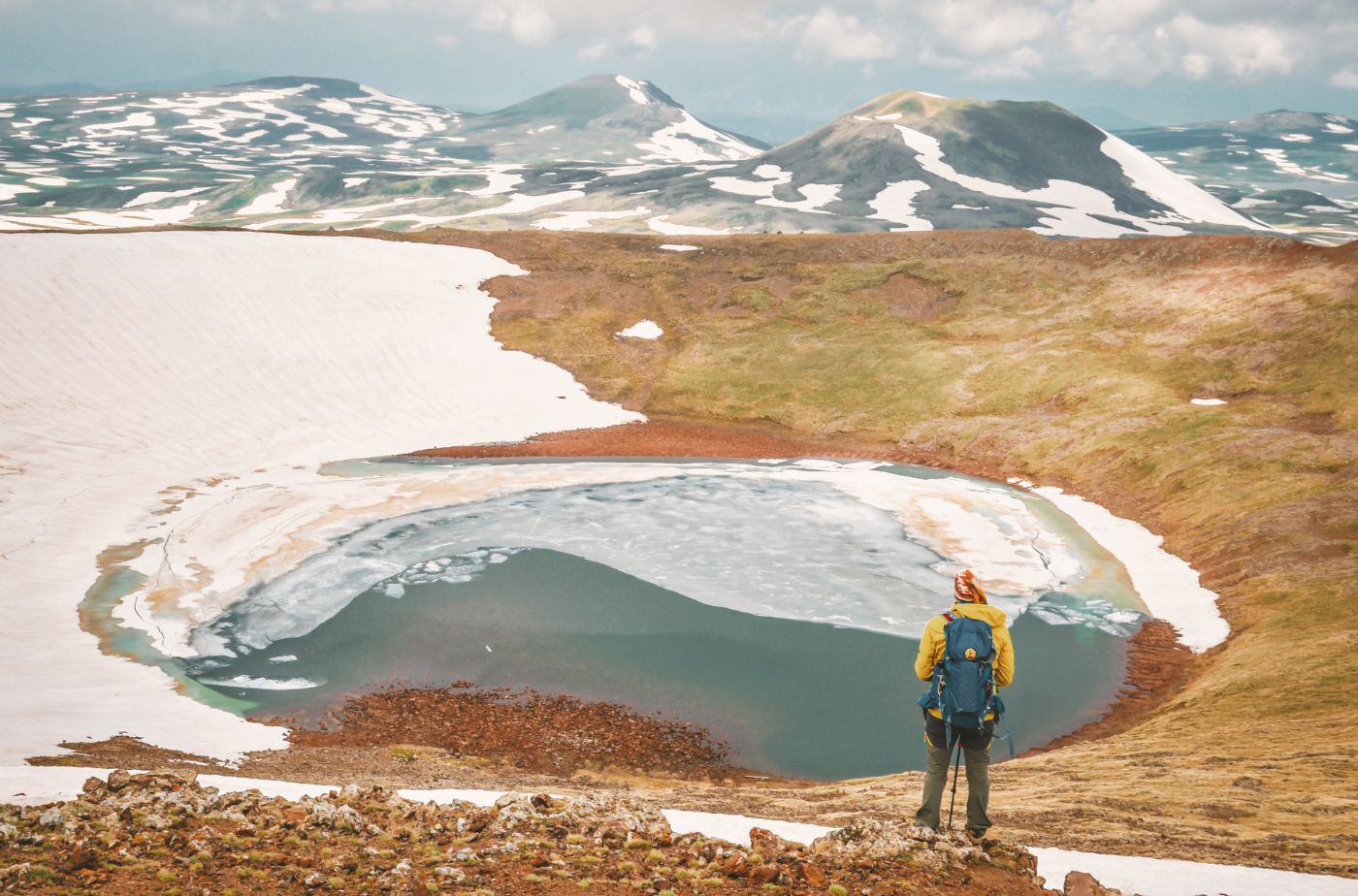
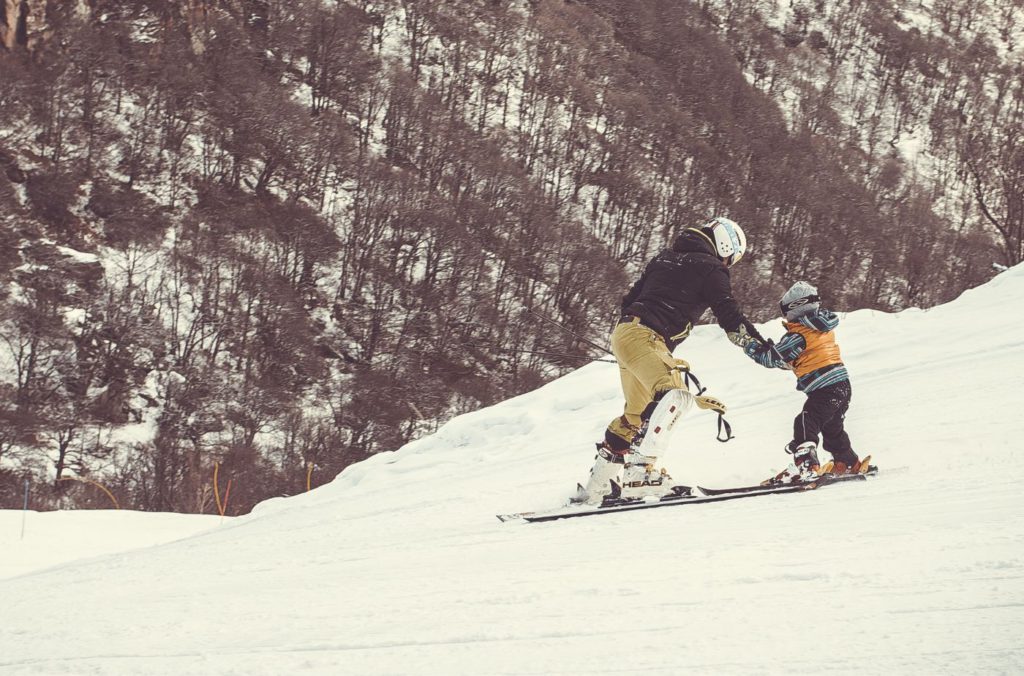
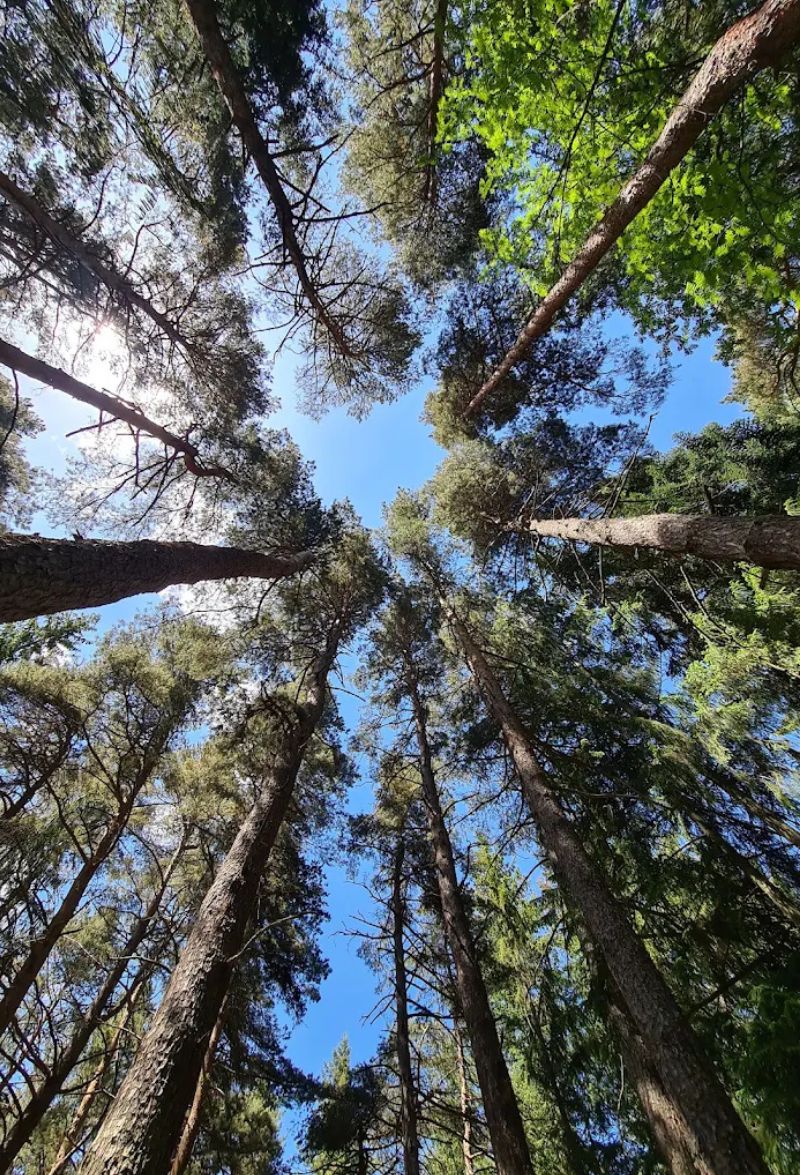
Լոռու մարզի կլիման չափավոր ցամաքային է՝ պայմանավորված լեռնային ռելիեֆով (600-ից մինչև 3000+ մետր բարձրություն)։ Մարզը հայտնի է Հայաստանի ամենականաչ և անտառապատ շրջան լինելով։ Ամառները մեղմ են և հաճելի, իսկ ձմեռները՝ ձնառատ։ Գարունը և աշունը հատկապես գեղեցիկ են՝ ծաղկած անտառներով և ոսկեգույն տերևներով։
Հայաստանում հաճախ դեռևս անհրաժեշտ է կանխիկ գումար ունենալ։ Շատ վայրեր՝ հատկապես մարզերում, աշխատում են միայն կանխիկով։ Թեև կան ռեստորաններ ու հյուրանոցներ, որոնք ընդունում են քարտային կամ առցանց վճարումներ, դրանք այնքան էլ շատ չեն։ Թանգարաններում ևս հիմնականում կանխիկ է պետք, և հիշեք՝ գրեթե բոլոր թանգարանները երկուշաբթի փակ են։